

Acupuncture as a Chinese medical practice is centuries old. There are 71 meridians in the body. It is believed that in order to function properly the body needs to be in balance. Even today, there are many false beliefs about acupuncture:
1. Acupuncture is painful.
Most people find the placing of the needles comforting and relaxing. However if discomfort should occur, it will fade quickly and on its own. The needles are no thicker than a cat’s whisker. You may feel a sensation often described as heaviness, throbbing, or an electrical current once the needle is inserted. This is good as it is your body opening up.
2. No reasonable healthcare professional would recommend it.
Actually acupuncture is recommended by many medical institutions. The U.S. military uses acupuncture. The National Institutes of Health (NIH) funds many clinical research trial on acupuncture. Both NIH and the World Health Organization (WHO) recognize acupuncture as a valid treatment for a wide range of conditions.
3. There is a conflict between medication, physical therapy, and other conventional medical treatments.
There is no conflict, they complement each other. Acupuncture can help improve conditions that you are being treated for.
4. Acupuncture is only helpful in treating pain.
Although acupuncture certainly helps in the treatment of pain, it by no means is the only condition it treats. Acupuncture can help with nausea or vomiting, morning sickness, hypertension, allergies, depression, infertility, addiction, and other conditions.
5. Acupuncture’s effects are psychological. It doesn’t really do anything.
Quite false. Studies show that during acupuncture, our brains begin to release chemicals such as endorphins (natural painkillers). Acupuncture has also proven to have an anti-inflammatory effect and help people’s immune system.
In Washington, an acupuncturist needs to be licensed by the state Board of Medicine.
I work with many clients - including pediatric and senior patients. Acupuncture is helpful with the many aches and pains we experience as we age. It is helpful with arthritis pain, joint difficulties, and other pains. As we've discussed before, acupuncture acts as a wonderful complement to mainstream medicine.
Many of my clients use acupuncture as a maintenance program for their health issues. It helps sustain them between visits with their primary care physician. If you are interested in learning if acupuncture can be helpful, you can call Health On Point.
Showing posts with label wellness. Show all posts
Showing posts with label wellness. Show all posts
Friday, October 16, 2015

Monday, November 17, 2014
Self-Care Techniques for Chronic Pain
Below is a continuation from our last blog post "Your Pain is in Your Head".
In addition to the use of acupuncture needles and herbs to address deficient Blood, an acupuncturist treating chronic-pain symptoms may suggest some simple self-care techniques.
Mindfulness, for example, teaches people to be inquisitive rather than judgmental about their ailments. It teaches us to approach our issues with an open mind and to let go of expectations. Cultivating greater self-awareness helps to bring balance to the body and mind. It also makes it easier to determine when medical intervention is necessary or when it may be okay to wait for the discomfort to pass.

Chronic pain sufferers often feel as though they are constantly in pain. But by using mindfulness to bring increased awareness to their symptoms, many realize that their pain actually has ups and downs, and sometimes disappears completely.
Mindfulness is just one self-care technique that can be helpful in addressing the physical and emotional components of chronic pain. Your acupuncturist may also recommend pressure points that you can massage on yourself, self-administered moxibustion, movement therapies such as qigong, and changes to your diet. Ask your practitioner about steps you can take at home to support your acupuncture treatments.
If you suffer from chronic pain, pain medications may not be the only answer. Whether it’s an acupuncturist, naturopath, or Western medical doctor, find a clinician who is open minded and understands the importance of treating your body and mind as one. It may be just the change you’ve been hoping for.
Monday, November 10, 2014
Your Pain is in Your Head

We know that the nature of chronic pain can vary widely, from musculoskeletal and neurogenic to gastrointestinal, urogenital, and gynecological. However, less attention gets paid to the emotional component of chronic pain, which can be caused and exacerbated by negative emotions such as anger, frustration, and anxiety.
Pain conditions that are emotionally charged—which, ultimately, describes all cases of pain, since being in pain produces negative thought patterns—often are unabated by the pain killers and anti-inflammatory medications that are so commonly prescribed.
Treating chronic pain effectively requires approaching it holistically. This is where acupuncture excels.
Acupuncture Approach to Chronic Pain
In Chinese medicine, there is no separation between mind and body. The two are inexorably linked, constantly influencing and regulating each other.
This philosophy runs counter to the way chronic pain is typically tackled by mainstream medicine, which tends to approach the problem strictly through a biological lens. Biologically, chronic pain is fairly straightforward. Misbehaving nerve impulses fire consistently, alerting the brain to the presence of inflammation or tissue damage.
When we look at chronic pain holistically, there’s more than nerve impulses to consider.
Our thoughts have a profound effect on how our bodies function. Negative thoughts and emotions increase stress hormones such as cortisol and norepinephrine, which overtime can lead to systemic inflammation and a deterioration of overall health.
Emotions, like physical activity, require the expenditure of energy—energy that could otherwise be directed toward helping to heal the body. This is why you can have days when you barely exert yourself physically yet feel exhausted by the end.
Our emotions can wear us out. Many people are overwhelmed with stress, anxiety, and other types of emotional turbulence yet remain unaware that it’s contributing to their physical health problems.
Acupuncture refuses to let emotional turbulence fly under the radar.
In acupuncture theory, the Heart is at the center of all human life and plays a role in all emotions. Appropriately, another term for the Heart in Chinese medicine is Emperor. If the Emperor falls ill, he loses his ability to maintain order in his empire.
When we apply that metaphor to human health, it goes something like this: The Heart, ruler of the emotions, must be healthy for the rest of the body to follow suit. In other words, it is impossible to effectively treat chronic pain (or any other chronic condition) without addressing a person’s state of mind.
So, how do acupuncture and Chinese medicine address our states of mind?
One way is by choosing acupuncture points and prescribing herbal formulas that boost or tonify Blood. In acupuncture, negative emotions, particularly when chronic, create internal heat, which eventually consumes and depletes the nutritive Blood of the body.
Blood in acupuncture is more than just the red liquid that flows through our veins and arteries. Blood is viewed as a substance of nutrition and healing, the conduit through which our emotions flow.
When negative emotions become consuming, as is often the case in people who live with chronic pain, it can lead to signs of what acupuncturists call Blood deficiency. Symptoms may include dizziness, heart palpitations, insomnia, fatigue, poor memory, pale skin and tongue, weak pulse, and scanty or light menstrual periods.
Read "Self-Care Techniques for Chronic Pain" in our next post!
- Written by Adam Cantor
Tuesday, April 15, 2014
8 Things to Remember Before an Acupuncture Appointment
Acupuncture isn’t really into hard-and-fast rules. What works for one person may not necessarily work for another. This is the beauty of acupuncture—it meets us wherever we are.
However, there are some general rules of thumb when it comes to preparing for an acupuncture appointment. All are changeable based on your constitution and preferences, but in my experience, these guidelines tend to improve the treatment experience and outcome for most people.
Are you ready to get the most out of your next acupuncture treatment? Remember these eight things.
 Schedule wisely
Avoid scheduling acupuncture before or after something really strenuous. You don’t need to be sedentary on either side of an appointment, but nor should you be going nuts at the gym or suffering through an extremely stressful meeting. Also avoid sandwiching—squeezing in acupuncture immediately between two other events—as this has a tendency to make you either late for or stressed out during your treatment.
Eat
This is an important one, and it’s something I get asked about a lot. Everyone metabolizes food at different rates, so adjust as you see fit, but a good guideline is to eat about two hours before an acupuncture appointment. You don’t want to show up really full, or after having eaten something heavy, fried or spicy, but do not go for acupuncture on an empty stomach. It can leave you feeling lightheaded or physically depleted. If you’re debating whether it’s too close to your appointment to eat, eat. Better to be a little full than distracted by hunger during your appointment.
Coffee is not your friend
That is not to say that coffee is never your friend, but coffee is not your friend immediately before acupuncture. If you have a morning appointment and can’t go without your morning cup, do what you have to do. But if you’re going for acupuncture later in the day, avoid coffee for at least two hours before.
Coffee is a stimulant. It has been shown to release norepinephrine and epinephrine, which kick your body into fight-or-flight mode. Acupuncture works to shift you away from that sympathetic (fight-or-flight) state and toward a parasympathetic (rest-and-digest) one, so coffee inhibits the process. It also makes it difficult for the acupuncturist to get accurate readings on your pulse and tongue, since coffee increases your heart rate and stains your tongue.
Neither is alcohol
One of acupuncture’s greatest gifts is its ability to help us see more clearly. Not literally, as in improved vision (although it has been known to do that too), but it helps us see situations and our symptoms with more clarity. Alcohol does the opposite. It numbs us, takes the edge off, which during acupuncture is not a good thing. One goal of acupuncture is to bring more awareness to how we feel. Impairing the senses with alcohol is not helpful.
Remember where you’ve been
Before acupuncture, spend some time thinking about—or even making a list, if that helps—any significant medical events in your life. For example, family disease history, car accidents, broken bones, other serious injuries, long-term illnesses, surgeries, etc. Also make note of any medications you are taking currently as well as any that you took long-term in the past (e.g., birth control pills).
We tend to forget these things, or assume they’re irrelevant, but from an acupuncture perspective they help contribute to your overall picture of health. Your acupuncturist will want to hear about them. When in doubt about whether to include something, it’s always better to mention it.
Wear loose clothing
This is so the acupuncturist can easily access the places where he or she wants to place needles. It’s especially important if you’re going for a community acupuncture appointment, because treatments are performed in a group setting with clothes on. However, even for private acupuncture appointments, loose clothing usually makes things easier for you and the practitioner.
Don’t rush
Even when we schedule wisely, there is still a tendency to leave at the last minute for appointments. This makes most appointments more stressful than they need to be, but especially with acupuncture, arriving at your appointment amped-up is counter productive. It’s similar to how coffee works against the process of calming the nervous system. When you rush into an appointment, your pulse is higher than normal, your mind is spinning, and you’re tense with worry about the prospect of being late.
Many of us already deal with these qualities during our regular stress-filled days—and they’re often the reasons for coming to acupuncture in the first place—so why make them worse by rushing? Regardless of when your appointment is, put it in your calendar as 15 minutes earlier. The worst than can happen is you sit for 15 minutes in a quiet waiting room. Finally, time and space to hear yourself think.
Turn off your cellphone
Last but not least, please turn off your phone. Not on vibrate. Off. Do it before your appointment actually starts, to avoid forgetting and/or getting distracted by a call or message immediately before you’re about to begin. This is your time and no one else’s. Make it count.
Some of these things are easy to forget. If you can remember even a few of them, I promise it will make a world of difference in your experience. We look forward to continuing to offer wonderful care and as always, encourage you to call with questions or to schedule an appointment.
However, there are some general rules of thumb when it comes to preparing for an acupuncture appointment. All are changeable based on your constitution and preferences, but in my experience, these guidelines tend to improve the treatment experience and outcome for most people.
Are you ready to get the most out of your next acupuncture treatment? Remember these eight things.
 Schedule wisely
Avoid scheduling acupuncture before or after something really strenuous. You don’t need to be sedentary on either side of an appointment, but nor should you be going nuts at the gym or suffering through an extremely stressful meeting. Also avoid sandwiching—squeezing in acupuncture immediately between two other events—as this has a tendency to make you either late for or stressed out during your treatment.
Eat
This is an important one, and it’s something I get asked about a lot. Everyone metabolizes food at different rates, so adjust as you see fit, but a good guideline is to eat about two hours before an acupuncture appointment. You don’t want to show up really full, or after having eaten something heavy, fried or spicy, but do not go for acupuncture on an empty stomach. It can leave you feeling lightheaded or physically depleted. If you’re debating whether it’s too close to your appointment to eat, eat. Better to be a little full than distracted by hunger during your appointment.
Coffee is not your friend
That is not to say that coffee is never your friend, but coffee is not your friend immediately before acupuncture. If you have a morning appointment and can’t go without your morning cup, do what you have to do. But if you’re going for acupuncture later in the day, avoid coffee for at least two hours before.
Coffee is a stimulant. It has been shown to release norepinephrine and epinephrine, which kick your body into fight-or-flight mode. Acupuncture works to shift you away from that sympathetic (fight-or-flight) state and toward a parasympathetic (rest-and-digest) one, so coffee inhibits the process. It also makes it difficult for the acupuncturist to get accurate readings on your pulse and tongue, since coffee increases your heart rate and stains your tongue.
Neither is alcohol
One of acupuncture’s greatest gifts is its ability to help us see more clearly. Not literally, as in improved vision (although it has been known to do that too), but it helps us see situations and our symptoms with more clarity. Alcohol does the opposite. It numbs us, takes the edge off, which during acupuncture is not a good thing. One goal of acupuncture is to bring more awareness to how we feel. Impairing the senses with alcohol is not helpful.
Remember where you’ve been
Before acupuncture, spend some time thinking about—or even making a list, if that helps—any significant medical events in your life. For example, family disease history, car accidents, broken bones, other serious injuries, long-term illnesses, surgeries, etc. Also make note of any medications you are taking currently as well as any that you took long-term in the past (e.g., birth control pills).
We tend to forget these things, or assume they’re irrelevant, but from an acupuncture perspective they help contribute to your overall picture of health. Your acupuncturist will want to hear about them. When in doubt about whether to include something, it’s always better to mention it.
Wear loose clothing
This is so the acupuncturist can easily access the places where he or she wants to place needles. It’s especially important if you’re going for a community acupuncture appointment, because treatments are performed in a group setting with clothes on. However, even for private acupuncture appointments, loose clothing usually makes things easier for you and the practitioner.
Don’t rush
Even when we schedule wisely, there is still a tendency to leave at the last minute for appointments. This makes most appointments more stressful than they need to be, but especially with acupuncture, arriving at your appointment amped-up is counter productive. It’s similar to how coffee works against the process of calming the nervous system. When you rush into an appointment, your pulse is higher than normal, your mind is spinning, and you’re tense with worry about the prospect of being late.
Many of us already deal with these qualities during our regular stress-filled days—and they’re often the reasons for coming to acupuncture in the first place—so why make them worse by rushing? Regardless of when your appointment is, put it in your calendar as 15 minutes earlier. The worst than can happen is you sit for 15 minutes in a quiet waiting room. Finally, time and space to hear yourself think.
Turn off your cellphone
Last but not least, please turn off your phone. Not on vibrate. Off. Do it before your appointment actually starts, to avoid forgetting and/or getting distracted by a call or message immediately before you’re about to begin. This is your time and no one else’s. Make it count.
Some of these things are easy to forget. If you can remember even a few of them, I promise it will make a world of difference in your experience. We look forward to continuing to offer wonderful care and as always, encourage you to call with questions or to schedule an appointment.
(originally authored by Sara Calabro)
Monday, March 31, 2014
Your Seasonal Acupuncture Session

Whenever there is a season change, according to traditional Chinese medicine (TCM) beliefs, the energy frequency of the body or a person’s “qi,” may not be in harmony with the season’s frequency. A person’s may be blocked, leading to negative side effects from bodily sickness to mood swings. Acupuncture move you so that you may easily align yourself with the season's shift.
Why is now the perfect he time to get acupuncture? According to TCM, transitions like season changes are times of turmoil. People by nature are imbalanced and so these transitions exacerbate the imbalances in a person that are already there.
People may argue, why receive a treatment for something if I’m not sick? The answer is this: prevention. Here are the top three reasons why you should come in for an acupuncture treatment at the beginning of Spring and every season:
- Prevention – Help your body avoid illness during a seasonal transition.
- If you have had issues in the past like chronic illness or allergies, this is the time to get a tune-up!
- Acupuncture strength is that it works beautifully at prevention.
Call Health On Point today to schedule your Seasonal Session!
Monday, March 3, 2014
Acupuncture Reduces Stroke Risk Discovery

The researchers note that acupuncture provides other medical benefits to patients with TBI. They noted, “Our previous study found that patients with TBI who received acupuncture treatment had less emergency care and hospitalization in the first year after injury compared with control.” Another study cited in the research “proved that acupuncture improves cognition and perception of sleep or sleep quality.”
The researchers uncovered numerous studies demonstrating that acupuncture is effective “in improving stroke patients’ physical abilities.” They also found concrete evidence showing that acupuncture helps to lower blood pressure, reduce inflammation and improve the “lipid profile.” They note that this type of research helps to explain why acupuncture is effective in reducing the risk of stroke in TBI patients.
The study is important in that the sample size is large and that strict study designs were used. Additionally, the researchers sorted for socio-demographics and preexisting medical conditions to ensure accurate results. As a result, the researchers give a 95% rating of confidence to the study’s outcome.
The breakdown shows some interesting results. Overall, incidence rates for strokes in TBI patients decreased from 7.5 per 1,000 patients in the non-acupuncture group to 4.9 in the acupuncture group. Sorted by gender, females without acupuncture had an incidence of 6.5 per 1,000 but with acupuncture had an incidence of 4.6. For males, the incidence was 7.9 per 1,000 for non-acupuncture patients and 5.2 for acupuncture patients. For TBI patients from ages 20-44, the incidence was 2.1 for non-acupuncture patients and 1.2 for acupuncture patients. For ages 45-64, the incidence was 10.6 for non-acupuncture patients and 7.4 for acupuncture patients. For TBI patients 65 and older, the incidence was 28.4 per 1,000 for non-acupuncture patients and 18.0 for acupuncture patients.
In other recent related research, investigators discovered that combining acupuncture with conventional medications decreases post-stroke depression (PSD). Researchers examined 150 patients in a controlled single blind study. They concluded that acupuncture combined with medications synergistically improves patient outcomes by decreasing post-stroke syndrome, improving limb function and benefitting serum biochemistry. The study group receiving both acupuncture and medications had significantly better patient outcomes than the medication only and acupuncture only groups. This research supports the integration of acupuncture into conventional medical settings for patients who have suffered a stroke.
If you or a loved one have suffered a stroke, consider trying acupuncture at Health On Point. Appointments are available throughout the day to suit your needs!
Friday, February 7, 2014
Acupuncture Fights Depression
There is a growing body of evidence that demonstrates acupuncture's incredible effect on anxiety and depression. Read about the newest research below - and then call Health On Point to experience it for yourself.

New lab experiments reveal acupuncture has antidepressant effects. An examination of brain cells following acupuncture treatments uncovered important mechanisms by which acupuncture exerts its antidepressant effects. Acupuncture caused the regulation of brain cell activity associated with therapeutic results.
The researchers discovered that acupuncture exhibits regulatory effects on special brain cells in the hippocampus called neural progenitor cells (NPs). These cells contribute to the maintenance of the brain and spinal cord. A major function of NPs is in the replacement of damaged or dead cells. Injured cells activate NPs to differentiate into the target tissue. NPs vary slightly from stem cells because they are more specific and tend to differentiate into a specific type of cell.
The researchers cite numerous studies showing “that acupuncture is an effective remedy for depression and it may be as effective as antidepressant drugs.” They also note that electro-acupuncture increases neurogenesis in the hippocampus as do SSRIs (serotonin reuptake inhibitors), a class of antidepressant medications. Neurogenesis is the process by which neurons are generated from neural stem and progenitor cells.
The focus of this new study was to map the precise cellular mechanisms responsible for the antidepressant effects of electro-acupuncture. Prior research shows that electro-acupuncture restores proliferation of NPs in the brain when impaired by depression. The focus of this study was a more precise measurement of specific biochemical actions.
The findings revealed that electro-acupuncture applied to acupuncture points DU20 (Baihui) and GB34 (Yanglingquan) on a stress induced rat model group regulated two major subclasses of NPs, quiescent neural progenitors (QNPs) and amplifying neural progenitors (ANPs). The researchers demonstrated that chronic unpredictable stress induced behaviors associated with depression and anxiety in the rat model group. The stress caused cell death of QNPs and “impaired the proliferation of both ANPs and QNPs” in the group. Electro-acupuncture “alleviated depressive-like and anxiety-like behaviors in the rat” group, restored proliferation of ANPs and limited cell death of QNPs. This caused a preservation of NPs in the hippocampus. 
The researchers note, “The present study revealed that chronic EA (electro-acupuncture) treatment exerted significant antidepressant effects in a rat model of depression. Further, the mechanisms underlying antidepressant effects of EA were associated with preserving the QNPs from apoptosis and ameliorating the impaired ANPs proliferation in hippocampus.” They note that the work conclusively demonstrates that electroacupuncture is “beneficial to the division of hippocampal NPs.” Further, the researchers note that these findings are consistent with other investigations demonstrating that electro-acupuncture “promotes neurogenesis in different brain regions….”
The researchers note that NPs are important in hippocampal neurogenesis and that chronic induced stress decreases proliferation of NPs and manifests in declined neurogenesis. This decrease in the birth of new brain neurons is associated with both anxiety and depression. Electro-acupuncture exhibited the opposite effects of chronic induced stress by upregulating ANPs. The researchers suggest that this is an “underlying mechanism of antidepressant-like effects of EA (electro-acupuncture).”
Monday, February 3, 2014
Research: Acupuncture & Herbs Relieve PMS
A meta-analysis of 8 acupuncture studies and 11 herbal medicine studies revealed a success rate of 50% or greater for the reduction of premenstrual syndrome (PMS) and premenstrual dysphoric disorder (PMDD). No incidence of major adverse events occurred. As a result, the researchers concluded that the acupuncture and herbal medicines investigated in the study are both safe and effective.

PMS occurs during the late luteal phase of the menstrual cycle. The research notes that up to “25% of menstruating women report moderate-to-severe premenstrual symptoms. Approximately 5% report severe symptoms.” Acupuncture demonstrated the ability to reduce symptoms by 77.8% within 2-4 treatments. The treatment protocol yielding these results employed the use of acupuncture points DU20, LI4, HT3, CV3, CV4, CV6, PC6, GB34, UB23 and ear Shenmen. In addition, these results were significantly superior to the sham acupuncture controls.
Hand acupuncture was found more effective than traditional acupuncture for the treatment of hot flashes. Hand moxibustion demonstrated very high improvement rates for the treatment of anxiety, mood swings, swelling and depression. Notably, there were no differences in treatment outcomes between acupuncture treatments given during the luteal and follicular phases. The researchers concluded that these findings demonstrate that acupuncture treatments “need not be limited only to the luteal phase.”
As with acupuncture, no serious adverse events were reported with the herbal medicines investigated in the study. The herbal medicines were effective in the relief of PMS and included the herbal formulas Dan Zhi Xiao Yao San and Xiao Yao San. Groups treated with either hand acupuncture, Vitex Agnus castus or Xiao Yao San demonstrated over a 70% improvement in the reduction of PMS symptoms. The findings of this recent study are confirmed in another study entitled the Therapeutic effect of Vitex agnus castus in patients with premenstrual syndrome. That study concludes, “Vitex agnus can be considered as an effective and well tolerated treatment for the relief of symptoms of mild and moderate PMS.” The same findings were concluded in the study Treatment of Premenstrual Syndrome with a Phytopharmaceutical Formulation Containing Vitex agnus castus.
Getting back to this most recent study, Xiao Yao San decoction demonstrated an overall reduction in fatigue by 68.9% and a 74.8% improvement rate for the reduction of insomnia. Vitex Agnus castus showed greater than a 50% improvement rate for the relief of back pain. Xiao Yao San scored the highest for the relief of anxiety, irritability, mood swings and depression. The researchers note that, “For increased anger during the luteal phase, Vitex Agnus castus and Elsholtzia splendens treatment resulted in more than a 50% improvement.” Both acupuncture and herbal medicines demonstrated significant improvements over placebo controls with the exception of Cirsium japonicum.
The researchers note that these findings suggest that a large-scale, multicenter study is warranted given the findings. They called for comparisons between treatment frequencies, dosages and treatment durations for each PMS/PMDD symptom. They note that further study will provide acupuncture continuing education and will give guidance to clinical protocols. The also note that, “Our findings were consistent with those of comparable reviews of acupuncture and herbal interventions for treating PMS/PMD.”
The researchers provided background into the use of complementary, traditional and alternative medicines for the treatment of PMS. A US telephone survey documented that 80% of women “preferred non-pharmacological interventions” including vitamins, supplements and other types of treatment modalities. Pharmacological approaches include the use of antidepressants, diuretics, psychotropics, progesterone, GnRh agonists, estrogen, oral contraceptives, “pyridoxine, ethinyl estradiol and drospirenone, and synthetic androgen and gonadotropin inhibitors.” Researchers discovered that the majority of women preferred “dietary changes, exercise, cognitive behavioral therapy, and complementary and alternative medicine” and other non-pharmacologic approaches.
In related research, investigators find that acupuncture combined with moxibustion and cupping is effective for the treatment of menstrual pain. The study consisted of sixty-six patients with dysmenorrhea, menstrual pain. The pain was significantly relieved or eliminated in all sixty-six patients with a combination of acupuncture, cupping and moxibustion within 2-6 treatments.
If you or someone you love suffers from PMS or PMDD, please call our clinic to schedule a session with Rachel. See for yourself how acupuncture provides lasting relief!
Tuesday, January 14, 2014
The Birth of a New Year
With the birth of a new year is the birth of our first shared event. You are cordially invited.... (call or email to schedule!)

Friday, December 20, 2013
Nurture Your Emotional Wellness
The holiday season may be filled with a dizzying array of demands, visitors, travel and frantic shopping trips. For many people, it is also a time filled with sadness, self-reflection, loneliness and anxiety. Compound the usual seasonal pressures with economic strain and you may find this to be one of the most emotionally trying times of the year.

At some point in life everyone deals with major upheavals or emotional distress. These events can trigger a host of unexpected feelings and behaviors, from depression and panic attacks to major disruptions in sleep and eating. Acupuncture and Oriental medicine can alleviate symptoms associated with mental and emotional health issues by treating the root cause of the problem to help restore balance to the body's internal environment.
Mental health disorders are medical conditions that can disrupt a person's thinking, feeling, mood, ability to cope with the daily demands of life or relate well to others. Affecting people of any age, race, religion, or income, mental health issues are more common than you might think. In fact, experts estimate that a significant number of people report symptoms that indicate sufficient qualifying criteria of a mental disorder.
Acupuncture & Oriental Medicine does not recognize any mental disorder as one particular syndrome. Instead, it aims to treat the specific symptoms that are unique to each individual using a variety of techniques including acupuncture, lifestyle/dietary recommendations and exercises to restore imbalances found in the body. Therefore, if 100 patients are treated with acupuncture and Oriental medicine for anxiety, each of those 100 people will receive a unique, customized treatment with different acupuncture points, and different lifestyle and diet recommendations.
Mental health issues are best managed when health professionals work together to meet the unique needs of each individual. Acupuncture is an excellent addition to any treatment plan as it is used to help the body restore balance, treating the root of the disorder, while also diminishing symptoms. If you or someone you love is suffering this season, call for a session in our clinic. We're more than happy to work with you one on one, and to discuss what you can do at home in terms of self care to support our work together.
Monday, December 16, 2013

Thursday, November 21, 2013
Who's Who: Virginia Join the Health On Point Family!
 Hello! My name is Virginia Dreier and I am a licensed massage therapist at Health on Point. I graduated from East-West School of Integrated Healing Arts this past summer in North Liberty specializing in Swedish and blended Swedish-Shiatsu style massage. Although I grew up in Iowa City, I left for 6 years during which I attended Oberlin College and travelled as an outdoor educator. As a teacher I learned many lessons: about compassion, empathy, patience, and care. I still work as a teacher at Willowwind School in the Montessori preschool-continuing to learn these lessons.
I chose massage therapy because I wanted to live a life of balance and peace. I wanted to be healthy and less worried. I wanted to improve my quality of life. I feel very grateful to walk a new path as a healer. I offer to each client the same desires for optimal health and well-being.

Massage can strengthen your immune system, lower blood pressure, reduce headaches, and improve your mood. Massage is finally being studied, accepted and promoted by health officials and is now commonly used as complementary and alternative medicine. It is increasingly being offered along with treatment for a wide array of medical problems such as anxiety, insomnia related to stress, migraines, sports injuries and of course muscular ‘knots’.
Massage is not simply a source of relaxation it is a powerful tool for treating dis-ease and promoting a life of healing and health. My clients choose me because I have a deeply caring, intuitive touch and confident presence that builds trust; allowing them to relax and start healing themselves immediately. Please check out my Facebook page for more information about me and my practice, Renew Massage, or if you have any questions at all please email me. I am very grateful for and look forward to becoming a part of the Health on Point community and working towards healing for us all.
Monday, November 18, 2013
Acupuncture Offers Holistic Alternative to Botox
If you are interested in trying acupuncture for yourself, or want to give the gift of younger, healthier skin, contact Health On Point! Rachel trained in facial acupuncture with Virginia Doran in New York, and is using these techniques with patients here in Iowa City since 2007. You don't have to take our word for it...
As Lora Lipman entered her 60s, she began to notice not only fine lines around her eyes and lips, but an uneven skin tone she described as somewhat grayish and ashy.
She was reticent to opt for chemical enhancements, or the typically invasive nips, tucks, and pokes of plastic surgery.
So instead, on a recent afternoon, she lay perfectly still on a spa table as dozens of the tiniest of acupuncture needles were gently inserted into the skin of her face and head. It was her fourth week undergoing a cosmetic treatment at the steady hands of Stephanie Kula at the Jewish Community Center of the North Shore in Marblehead.
“Now,” said the 62-year-old from Beverly, “people say ‘Your skin looks so nice, so clear and healthy.”
Cosmetic acupuncture — new to the North Shore JCC but reportedly favored by the likes of Gwyneth Paltrow, Angelina Jolie, and Madonna — is on the growing list of natural alternatives to procedures such as face lifts and Botox and collagen injections.
It targets specific points on the face, with the tips of dozens of tiny needles — just as with other acupuncture procedures — placed beneath the skin to stimulate blood flow as well as the production of collagen and elastin. The goal, according to Kula, a licensed acupuncturist, is essentially to “overstimulate” certain areas.
The process can help to fade age spots, improve fine lines, diminish deeper wrinkles, even out and brighten skin tone, reduce jowls, rosacea, and acne, and reduce puffiness, Kula said.

She listed reducing pain, stress, symptoms of depression and anxiety, minimizing hot flashes and night sweats, and improving digestion and sleep cycles as some of the overall holistic benefits of acupuncture.
“It’s an internal and external process, and it works to relax your whole system,” said Kula, who studied the ancient practice at the Academy for Five Element Acupuncture in Gainesville, Fla., and owns the Salem-based North Shore Community Acupuncture. “It’s a way to really take care of yourself. Self-care is something we don’t really do that much of.”
While acknowledging that people can be put off by the very idea of becoming the equivalent of a human pincushion, she said it’s a relatively painless procedure because the needles are thin, less than an inch in length, and akin to a “cat whisker.”
“A lot of people come in with the fear of getting blood drawn,” she said, but having an acupuncture needle inserted is “a sensation you feel for a couple seconds, then it goes away.”

At the JCC in Marblehead, Kula offers what’s known as the Mei Zen method of cosmetic acupuncture, as developed by Denver-based practitioner Martha Lucas. The protocol involves placing 90-plus needles in various points in the face and head; Kula also has incorporated “cupping” into the process, which she says helps to speed up results through the use of suction cups placed and drawn across the skin on the face, neck, and chest to pull up the underlying muscles and tissue and increase blood flow.
She began offering the service at the JCC on Oct. 1. A full run of the procedure is five weeks — twice a week in 60- to 90-minute sessions — with follow-up maintenance once a month after that. Kula charges $150 per session throughout the five-week period, then $85 for follow-ups.
“This is a commitment you make to yourself,” said Lipman, who has been getting general acupuncture treatments for more than 30 years, and reports that they have helped her deal with reflux, sciatica issues, and a sprained ankle. And when the treatment is over, she feels “very relaxed,” she said. “My mind seems clearer. If I have any stress, it’s gone.”
On a recent afternoon, her session began as she lay down on a spa table in a private room, pillows beneath her head and calves. Her long hair was pulled back with a headband, jeans rolled up above the knees.
Kula asked how Lipman was feeling; then, after swabbing each area with antiseptic, she stuck various-sized needles into the tops of Lipman’s feet, around her ankles, below her knees, in her hands, and at her wrists.
Then, she placed a half-dozen smaller needles into the top of her head, and, finally, moved to her face, inserting numerous miniature needles above her eyebrows, on the sides of her nose, around and behind her ears, and tracing her cheekbones, lining her lips, and crowning her chin.
“I feel totally relaxed,” Lipman said as Kula softly pricked her skin. “I really don’t feel most of them. With some, it’s just a little bit of pressure — hardly at all.”
Roughly a half-hour later, Kula carefully removed the tiny implements — Lipman’s skin tinged pink in some areas where they had been applied — then proceeded to place cups on her neckline and face.
“I feel great, wonderful. It’s like having a minivacation,” Lipman reported when it was over.
Monday, November 11, 2013
Who's Who: A look at Health On Point
Hello, My name is Mario Corella and I am a Reiki practitioner at Health On Point. I provide several services to clients including singing bowl therapy, reiki, and chakra balancing. There are numerous benefits from these therapies. Holistic medicine is becoming more and more popular. Funding and research in alternative therapies helps to enhance knowledge of these types of healing.

Reiki is a subtle therapy used to promote overall well being. Reiki involves a practitioner holding their hands over various areas of a patient’s body to correct energy imbalances. It is practiced in over 800 hospitals in the United States. Relaxation and stress reduction are two of the major benefits of Reiki. This type of healing can be beneficial for anyone. People who suffer from chronic pain, stress, depression, cancer, migraines, insomnia and pre and post surgical patients are a few examples of those who benefit. One session is enough to feel benefits and notice a change in condition. Multiple sessions help to perpetuate feelings of general well being. After a session, patients typically feel relaxation and a sense of calm and peace.

Singing Bowl sessions are another type of therapy that assist in relaxation and the promotion of well being. I use a set of 7 crystal quartz singing bowls. Each bowl is specially tuned to affect a different area of the body and produce a unique sound frequency. The vibrations of the singing bowls are intended to permeate the cells of the body and facilitate healing and balancing of the body’s energy. The sounds produced are quite distinct, especially when multiple bowls are played, enhancing the depth of sound. This therapy can be used for meditation and allows the listener to enter a state of great relaxation.
I am available for appointments on Friday afternoons and other days by appointment. I invite you to experience the benefits of Reiki and Singing Bowl Therapy. Give yourself or someone you love the gift of healing and relaxation!
Monday, November 4, 2013
A Study: Acupuncture Improves Eyesight for Vision Disorder
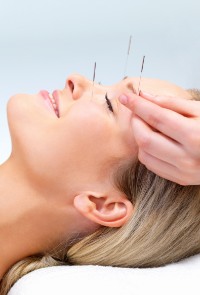
A new pilot study finds acupuncture effective in significantly improving eyesight for patients with retinitis pigmentosa (RP). This disorder is a genetically inherited condition that may lead to blindness. Acupuncture improved overall eyesight and improved issues of dark to light adaptation and nyctalopia (night blindness).
Patients received 10 thirty minute acupuncture treatments over a two week period. Acupuncture styles included electroacupuncture, local acupuncture and body-style acupuncture. Local points included acupuncture needles on the forehead and below the eyes.
Testing showed that some of the subjects improved in both eyes after only one week of acupuncture treatment and the results lasted between 10 to 12 months. Dark adaptation increased significantly in the subjects. Night vision and the ability to see in darkened regions improved significantly in subjects. Several other visual field improvements were noted in the subjects including expansion of visibility within are larger visual field. The researchers concluded that acupuncture “entails minimal risk if administered by a well-trained acupuncturist and may have significant, measurable benefits on residual visual function in patients with retinitis pigmentosa, in particular scotopic sensitivity, which had not previously been studied.”
This recent study was published in the prestigious Clinical and Experimental Optometry journal. Treatments for retinitis pigmentosa with acupuncture and herbal medicine have demonstrated positive clinical outcomes in several studies. A groundbreaking study was published in 2011 wherein it was discovered that acupuncture protects the optic nerve from damage caused by intraocular pressure by alleviating stresses on retinal and optic nerve axonal ultrastructures. Another study showed that Chinese medicine improved retinal cone activity for patients with retinitis pigmentosa, even in cases of advanced retinal degeneration. Using electroretinograms for the investigation, the study also concludes that, “TCM (Traditional Chinese Medicine) treatment could also enhance the bioactivity of (the) nerve network and therefore have a definite significance in retarding the progression of disease and keeping the central vision.
A more aggressive study wherein She Xiang was injected into acupuncture points UB18 and UB23 found that acupuncture improved eyesight for patients with retinitis pigmentosa. The study concludes that injection of She Xiang into Ganshu (UB18) and Shenshu (UB23) “can improve effectively the function and metabolism of optic cells, promote blood circulation of the retina, enhance the visual acuity, and protect the central vision for the patient of retinitis pigmentosa.” In yet another study of retinitis pigmentosa, patients receiving acupuncture (ranging from ages 7 – 75 years) showed significant improvement and a halting of deterioration of the visual field.
Monday, October 28, 2013
Three Easy Tips for a Healthy Autumn
It’s happening...the weather is changing and everyone here in Iowa City has pulled their fleece jackets out of the closets. So, here are some easy, surefire tips to a healthy Autumn.

2) Let It Go - Whatever it is! Nature instructs us about the cycle of creation and letting go every year. Autumn marks the end of the growing season and is a time to turn inward, conserving energy. Trees lose their leaves in preparation for winter. How can we expect a healthy harvest next year if we don’t release the old and stagnant aspects of our lives? The most powerful lesson of Fall is to release the clutter that unnecessarily complicates our lives in order to discover all that is meaningful and fresh.
3) Protect - As the weather changes, it’s easier for us to catch colds and flus. Certain areas of our bodies are more vulnerable when left exposed, so it is particularly important to protect the back of your neck and chest from the wind with a scarf or collar. Also, no bare feet, especially if you have hardwood floors. Walking around on cold floors chills the entire body.
Monday, October 21, 2013
Acupuncture eases symptoms of severe depression
Acupuncture therapy combined with anti-depressants has been found to relieve symptoms of depression more effectively than drugs alone
 |
| Acupuncture alongside anti-depressants can help ease depression, a British study found. |
Their symptoms reduced on the same scale as those who had counseling alongside their normal treatment. The researchers felt the study was of great importance as many patients would like to be offered non-pharmacological treatment options such as acupuncture or counseling.
At present, the vast majority of sufferers are only offered antidepressants, which are ineffective for 60 per cent of people.
The study included 755 men and women with moderate to severe depression. The patients were divided in groups to receive up to 12 weekly sessions of acupuncture plus usual care (302 patients), up to 12 weekly sessions of counseling plus usual care (302 patients) or usual care alone (151 patients).
The findings, published in the PLoS Medicine Journal, found that the 2,000-year-old Chinese method improved symptoms for up to six months.
It is thought that it alleviates symptoms such as overwhelming sadness and hopelessness, by stimulating the release of endorphins and other "feel-good" chemicals.
Mandy Laing, a qualified member of the British Acupuncture Council comments: "For some anxiety sufferers, life is extremely tough. A lot of people don't realize that this condition can cause a considerable amount of stress and disability for the person... Traditional acupuncture is a safe and effective treatment choice."
The illness currently affects more than 350 million people worldwide and about one in six people will have an episode of depression during their lifetime.
For people who are clinically depressed, feelings of severe sadness, anxiety, hopelessness, and worthlessness can last for months and years. And affected individuals lose interest in activities they used to enjoy and sometimes have physical symptoms such as disturbed sleep, leaving many unable to work.
This research could open up new treatment options for those who suffer from moderate or severe depression.
If you or someone you knows suffers from depression, let them know that acupuncture with Health On Point may help!
If you or someone you knows suffers from depression, let them know that acupuncture with Health On Point may help!
Wednesday, September 25, 2013
Autumn Means Change Within... and Without

September 22nd marked the beginning of Fall this year....
In the spirit of Traditional Chinese Medicine, fall is the time of the Lung. This means that our lungs and skin are more likely to have problems now with complaints such as eczema or psoriasis, and coughs, colds and flu. This season requires that we start dressing a warmer, eat nourishing foods, drink plenty of fresh water, and get enough sleep.
Fall in TCM is also the time of dryness, much as we see all around us in the trees. Autumn leaves turn beautiful - often vibrant - colors, then fade as they dry out and ultimately fall from their branches. This may be reflected in each of us when we consider this on an emotional level.
Just this week many patients are noting an awareness of grief for past losses. Several individuals on my table shared their struggles with this season and its 'timing' - be it in terms of the academic calendar or the sense that winter is not far behind.
I'd love to remind you what my medicine tradition teaches us. This a time for us to practice letting go. We may struggle, dig our heels in and resist! But this just exhausts us physically and emotionally. Consider that much as a tree losing its leaves is inevitable this season, so too are losses and change in our lives. How would it feel if you didn't fight, didn't struggle? What would that mean for you in your life?
Just this week many patients are noting an awareness of grief for past losses. Several individuals on my table shared their struggles with this season and its 'timing' - be it in terms of the academic calendar or the sense that winter is not far behind.
I'd love to remind you what my medicine tradition teaches us. This a time for us to practice letting go. We may struggle, dig our heels in and resist! But this just exhausts us physically and emotionally. Consider that much as a tree losing its leaves is inevitable this season, so too are losses and change in our lives. How would it feel if you didn't fight, didn't struggle? What would that mean for you in your life?
Monday, September 16, 2013
Drink More Tea
As if overnight, Autumn has arrived! Ease your body through this month of transition with our herbal tea bundle. Choose any three of our all organic, fresh hand-crafted herbal teas and you'll receive a gift that makes those mugs filled with deliciousness all the more satisfying.

Monday, August 26, 2013
Migraine Treatment and Prevention
The countdown is on for Migraine Awareness Week. My patients (and friends!) will concede that one of my favorite parts of my practice is providing acupuncture for migraine sufferers. The techniques available to individuals when they come to our clinic are unique in our community. Many find immediate and profound relief from acupuncture, for others it may take a few sessions. Regardless, however, I believe that resolution IS possible. Offering education and guidance for at home care is always part of the regimen. Below are some of the key points. Read on and let us know - what is your experience with migraines and acupuncture relief? Have you discovered any techniques you can use on yourself that provide immediate relief?
 |
| Try massage at the red points above! |
Pressure
Many people find that applying gentle pressure to the head, face, and neck during a migraine can help ease the pain. Techniques to try:
- Press the brow line and under the eyes.
- Rub the temples and jaw in a circular motion.
- Massage the base of the skull with a tennis ball.

Diet Changes
Some people find that certain foods trigger their migraines. Common trigger foods include alcohol, caffeine, chocolate, canned foods, cured or processed meats, aged cheeses, cultured dairy, MSG, and aspartame. Keeping track of what you eat with a food diary can help you identify what you ate before a migraine came on. Try eliminating these foods one at a time to see if it improves your migraines.
Good Habits Fight Migraines
Your lifestyle can have a big impact on how often you get migraines. These tips can help:
- Keep a migraine diary to track your triggers.
- Don't skip meals.
- Stay hydrated.
- Get regular exercise.
- Maintain a healthy weight.
Subscribe to:
Comments (Atom)