|
Dr. Daniel Neides, Cleveland Clinic
LYNDHURST, Ohio--One patient encounter this year allowed me to really understand the inherent value in Eastern medicine practices – specifically acupuncture.
As I have mentioned before in this column, I attended medical school at THE Ohio State University, steeped in a Western medicine practice known as allopathic medicine. Any exposure to Eastern practices that would complement my training was limited. Which brings me back to my original point (pun intended – remember acupuncture).
The patient was a 36-year-old woman who I have cared for over the last several years. We had discussed concerns about infertility after she had previously met with her OBGYN. They had discussed hormonal therapy to try and induce ovulation but she did not want to put any type of medication into her body. She wanted to know if there were alternative or integrative approaches to hormones to assist with her desire to get pregnant.
Having looked at several studies on acupuncture and infertility, I offered the patient an opportunity to work with one of our acupuncturists. After several months of treatment, she stopped me in the hallway and almost jumped into my arms. She was pregnant and was so thankful that I had respected her concerns about hormonal therapy and that I found an integrative approach that worked for her.
For more than 3,500 years, acupuncture has been providing relief to people around the world. Originally developed and practiced in China, this soothing therapy is today embraced by all patients who seek to alleviate symptoms caused by ailments that range from arthritis to migraines to the aftereffects of chemotherapy. It has even been proven effective in helping people stop smoking.
Acupuncture draws on the belief that an energy called Qi (pronounced "chee") circulates throughout our body, from the top of our head to the soles of our feet. When we experience good health, this energy flows unobstructed along pathways in the body called meridians. Each meridian is believed to be connected to a specific organ system, and when an energy flow is disrupted by a disease or an injury, illness or pain occurs. Acupuncture is then used to balance the flow of Qi and stimulate our body's natural ability to heal.
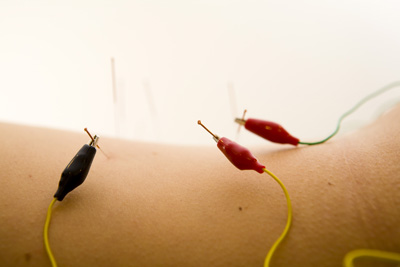
Acupuncture treatments involve placing hair-thin needles of varying lengths into certain areas of the skin. The number of slender needles – as few as three, as many as 20 – and the length of time they are kept in place depends on the ailment being treated. During the treatment, the needles may be twirled, warmed or electrically energized to intensify healing effects. Sessions with the acupuncturist take up to 60 minutes. Patients lie on a padded table, and soothing music, which allows for deep relaxation, plays in the background. Some patients may feel an electrical sensation during a treatment, which is good – that means healing energy is moving through the body.
How does acupuncture work to provide relief for so many painful conditions, you ask? Most acupuncture points are near nerves. When stimulated, the point sends a message along the nerve to the brain and spinal cord. This causes the release of serotonin, dopamine and endorphins – chemicals our own body produces that alter or eliminate the message of pain being delivered to the brain. The release of these "feel-good" mood-regulating chemicals makes people feel better physically and emotionally. And when someone's emotional outlook improves, their quality of life improves. Clinical studies have shown that acupuncture bolsters the body's nervous and endocrine (glandular) systems, and has an anti-inflammatory effect. And for my faithful readers, you know how much I preach about lowering inflammation to reverse disease. Acupuncture decreases the inflammation associated with different diseases and relieves muscle spasms and strain.
The World Health Organization endorses acupuncture, and clinical studies have shown it to be a beneficial treatment for many conditions, including chronic pain - migraines, neck and back pain, tendonitis, sciatica, carpal tunnel syndrome, fibromyalgia and rheumatoid arthritis. Digestive disorders like irritable bowel syndrome, colitis, gastritis and constipation can be alleviated with acupuncture.
This practice has become a popular alternative for women's health issues like menstrual cramps, irregular or heavy periods, infertility and menopausal symptoms.
I have referred patients with emotional disorders like depression, anxiety, stress and insomnia for acupuncture – and have seen great success. Many of my oncology colleagues will refer patients for acupuncture to assist in reducing adverse reactions to chemotherapy, including fatigue, generalized pain, dry mouth, peripheral neuropathy, nausea and vomiting.
Acupuncture can also be a helpful tool in treating addictions to nicotine, alcohol, drugs, and food. When coupled with diet and exercise, acupuncture can be very helpful in decreasing one's appetite, allowing for intended weight loss.
I think it is important to remind ourselves that acupuncture is not intended to replace Western medicine practices. My practice is a "bridge" between the best of Western and Eastern practices. Acupuncture and traditional medicine complement one another. In many instances, patients appreciate that integrative medicine like acupuncture can work as an adjunct to a traditional treatment plan. Going back to my original example, my patient who used acupuncture to conceive will now see my colleague trained in allopathic medicine for her prenatal care and eventually delivery. For me professionally, this is a beautiful complement between two very different practices of medicine.
I am so blessed to have learned from and have access to some of the most talented integrative medical professionals in the United States. If you or a loved one suffers from any of the conditions listed above, consider a consult with me!
Below is a continuation from our last blog post "Your Pain is in Your Head".
In addition to the use of acupuncture needles and herbs to address deficient Blood, an acupuncturist treating chronic-pain symptoms may suggest some simple self-care techniques.
Mindfulness, for example, teaches people to be inquisitive rather than judgmental about their ailments. It teaches us to approach our issues with an open mind and to let go of expectations. Cultivating greater self-awareness helps to bring balance to the body and mind. It also makes it easier to determine when medical intervention is necessary or when it may be okay to wait for the discomfort to pass.
Chronic pain sufferers often feel as though they are constantly in pain. But by using mindfulness to bring increased awareness to their symptoms, many realize that their pain actually has ups and downs, and sometimes disappears completely.
Mindfulness is just one self-care technique that can be helpful in addressing the physical and emotional components of chronic pain. Your acupuncturist may also recommend pressure points that you can massage on yourself, self-administered moxibustion, movement therapies such as qigong, and changes to your diet. Ask your practitioner about steps you can take at home to support your acupuncture treatments.
If you suffer from chronic pain, pain medications may not be the only answer. Whether it’s an acupuncturist, naturopath, or Western medical doctor, find a clinician who is open minded and understands the importance of treating your body and mind as one. It may be just the change you’ve been hoping for.
A new study concludes that acupuncture combined with herbal medicine is more effective than drugs for the treatment of headaches. This confirms similar results found in a prior study wherein acupuncture was found comparable to drugs for the treatment of migraine headaches. The new study finds acupuncture combined with herbal medicine is effective for the treatment of vascular headaches whereas the prior study found acupuncture, as a standalone procedure, effective for the treatment of migraines. The results agree that acupuncture and/or acupuncture combined with herbs produce positive patient outcomes for headaches.
 The prior study concluded that acupuncture is “of comparable efficiency to several proven drug therapies for the treatment and prevention of migraine(s).” The meta-analysis examined 25 randomized controlled trials involving a sample size of 3,004 patients. True acupuncture significantly outperformed simulated sham-acupuncture. In addition, true acupuncture was comparable to drug therapy for the treatment and prevention of migraines.
Acupuncture combined with Chinese herbal medicine is more effective than nimodipine for relieving vascular headaches. These headaches include cluster headaches, migraines and toxic headaches. Migraines involve unilateral or bilateral head pain and may combine with nausea, vomiting, sensitivity to light and sound, and visual auras. Toxic headaches occur during fevers. Cluster headaches are focal and recur in severe episodes.
The researchers conducted a randomized acupuncture continuing education investigation of 92 patients with vascular headaches at the College of Traditional Chinese Medicine (TCM) in Chongqing Medical University (Sichuan). Group #1 received oral administration of nimodipine at 40 mg per dose, three times per day. Group #2 received acupuncture and a Chinese herbal formula. A course of treatment for both groups consisted of two weeks and the entire treatment lasted for two courses.
After two courses of treatment, both groups achieved varied degrees of curative effects in terms of reducing headache attacks, duration of each attack and the intensity degree of headaches. The acupuncture group outperformed the drug group in all of the aforementioned indices. As a result, the researchers conclude that acupuncture combined with Huo Xue Qu Feng Tong Luo Tang is superior to nimodipine for the treatment of vascular headaches.
Acupuncture may help treat muscle wasting that can occur as a result of kidney and other diseases, according to a study appearing in an the Journal of the American Society of Nephrology (JASN). The technique may be an attractive non-drug strategy that could help many patients.
Muscle atrophy is a serious consequence of spinal cord injuries and other traumas as well as diseases such as heart failure, chronic kidney disease (CKD), cancer, and diabetes. While there are several drug-related strategies to help prevent or treat muscle atrophy, there are no simple and effective treatments.
Xiaonan Wang, MD, Li Hu, MD (Emory University), and their colleagues looked to see if electrical stimulation delivered through acupuncture might lessen muscle atrophy associated with CKD. The investigators treated CKD mice and healthy control mice with the technique, which mimics resistance exercise by inducing muscle contraction, for 15 days.
The researchers found that the treatment improved muscle regeneration in mice by activating M2 macrophages, which are specialized immune cells that stimulate an anti-inflammatory response. Activation of M2 macrophages stimulates the insulin-like growth factor-1 signaling pathway, which promotes increased muscle protein synthesis and new muscle cell growth. "Our study explains how acupuncture is able to produce positive effects against muscle atrophy," said Dr. Wang. "Patients with severe disease are frequently unable to withstand routine daily physical activity, let alone therapeutic exercise. This treatment is an alternate way to achieve the benefits of exercise," she added.
The researchers noted that more work is needed to determine the optimal timing and intensity of LFES as a possible treatment for muscle atrophy.
Debilitating foot or heal pain limits many of us - regardless of age or activity level. One thing is for certain, while there are numerous regimens for this (read more below), our experience at Health On Point demonstrates that acupuncture is an incredibly successful option for treatment. With the warming weather, many of us are increasing our activity. Should you or someone you know suffer from food or heal pain, please call our clinic to schedule an appointment!
Recent research indicates acupuncture is an effective and safe treatment for heel pain. Heel pain is a common foot condition often characterized by intense pain, especially when placing weight onto the foot. Pain on the back of the heel often indicates achilles tendinitis and pain on the underside of the heel often indicates plantar fasciitis.
One of the most common causes of heel pain, plantar fasciitis involves pain and inflammation of the band of tissue running across the bottom of the foot. New research indicates that acupuncture is effective for plantar fasciitis, achilles tendinitis and many other forms of heel pain.
Biomedical approaches to heel pain treatment include behavioral therapy, nonsteroidal anti-inflammatory drugs (NSAIDs), corticosteroid injections, small needle knife therapy, block therapy, shockwave therapy and surgery. Traditional Chinese Medicine (TCM) historical records document success in the treatment of heel pain using acupuncture. This new scientific investigation confirms the historical data.
The researchers from Guangzhou Dongsheng Hospital and Guangzhou Social Welfare House examined 19 separate clinical investigations and discovered that 16 of the 19 studies made extensive use of ahshi ("trigger point") acupuncture points to achieve optimal patient outcomes. In one investigation carried out by Xu Xuemeng et al., 66 patients were randomly divided into an acupuncture group and a control group. The acupuncture group received filiform acupuncture needle method treatment and the control group received injections and local blocking therapy. The results were assessed six months following the treatment. The acupuncture group achieved an effective rate of 97% and the drug therapy group had only a 76% effective rate.
Based on the 19 reviewed studies that were performed in the past five years, the researchers conclude that acupuncture is safer, easier to apply, and more effective than conventional treatments for heel pain.
Acupuncture integrates into hospital emergency room care and helps relieve pain and nausea.
A new study conducted at the Northern Hospital in Melbourne, Australia demonstrates that acupuncture is safe and effective for the treatment of pain and nausea in the emergency room setting. The research reveals that adding acupuncture to conventional biomedical care results in better patient medical outcomes.
The study was conducted between January and August of 2010. A total of 200 patients presenting to emergency room triage with pain and/or nausea were treated with both acupuncture and biomedical care. This integrative medicine group was compared with another group receiving only biomedical ‘western medicine’ care. The acupuncture group responded with an 84.8% response rate that they would consider repeating acupuncture care. Of that 84.8%, a total of 53.5% noted “definitely yes” to repeating acupuncture care in the emergency room setting.
The most common conditions treated with acupuncture were musculoskeletal concerns. Abdominal and flank pain were the second most common condition. Reviewing all conditions, the integrative medicine acupuncture group demonstrated significant gains over the biomedicine group in significant decreases in both pain and nausea.
The researchers conclude that acupuncture is both safe and effective. They also note that acupuncture is “acceptable” to patients in the emergency room setting. As a result, the researchers have called for a study to understand the cost-effectiveness of implementing acupuncture into the emergency medicine department.
Related research finds acupuncture cost-effective for the treatment of pain.
Researchers from the University of York, UK, investigated the economic value of acupuncture for the treatment of lower back pain, neck pain, dysmenorrhea, migraines, arthritis and headaches. The researchers documented correlations between the clinical benefits of acupuncture and medical cost savings. The researchers concluded, “Acupuncture appears to be a cost-effective intervention for some chronic pain conditions.”
Acupuncture effectively reduces pain according to research published in The Journal of the American Medical Association (JAMA).
Acupuncture groups had significantly greater reductions of pain than both non-treatment control groups and sham (imitation/placebo) control acupuncture groups in multiple high quality studies. Specifically, acupuncture was found effective for reducing pain associated with osteoarthritis, chronic headache, shoulder pain, nonspecific musculoskeletal pain, neck pain and back pain.
Researchers from Memorial Sloan-Kettering Cancer Center, New York and Technical University, Munich underscored the importance of this latest research. They note that prior meta-analyses and systematic reviews of acupuncture for the treatment of pain included research of “variable quality.” In this new study, the scope was “restricted to high-quality trials.”
The researchers started with 31 eligible studies with a total of 19,827 patients. Studies were accepted only from the United States of America, United Kingdom, Germany, Spain and Sweden. Only studies with controls were included. Controls included no-acupuncture and sham/placebo acupuncture. All studies were conducted between 1996 and 2008. The researchers refined the studies down to 29 from the original 31 to preserve the highest quality evidence profile.
The clinical results demonstrated acupuncture to provide a “good response” to pain reduction in 50% of all cases. Sham/placebo acupuncture groups demonstrated the ability to reduce pain in 42.5% of cases and no-acupuncture controls demonstrated pain reduction in 30% of all cases. Some concern was expressed by the researchers that the sham/placebo acupuncture groups received active true acupuncture because some of the sham/placebo techniques “involved skin penetration.” They note that the sham/placebo acupuncture may not be “physiologically inactive.” As a result, some of the successes with sham/placebo acupuncture may reflect true acupuncture results. The researchers note “trials that include sham acupuncture as a comparison may underestimate the effects of acupuncture on pain reduction.” Another consideration is that these controlled studies involve blinding and standardization. As a result, the benefits of acupuncture may be underestimated because a true clinical setting involves customization of acupuncture procedures according to an individual patient’s differential diagnosis.
The researchers note that many established guidelines recommend acupuncture. They cite, for example, that the American College of Physicians’ guidelines recommend acupuncture for the treatment of back pain. Also, the UK National Institute for Health and Care Excellence (NICE) guidelines officially recommend acupuncture treatments for both chronic headaches and migraines when unresponsive to pharmaceutical medications.
This level of meticulous review establishes acupuncture as a standard and effective tool for the treatment of pain. This research has been published just after a recent discovery by investigators at Rutgers University Medical School, New Jersey that acupuncture reduces inflammation. The surgery department researchers proved that electroacupuncture fights infections including polymicrobial peritonitis and reduces severe systemic inflammation due to infections, sepsis. The researchers documented that the anti-inflammatory effects of electroacupuncture “are voltage dependent.” Non-acupuncture points (sham points) did not exert anti-inflammatory responses and “electroacupuncture with a wooden toothpick” did not reduce inflammation. Only true acupuncture was effective in regulating both dopamine and cytokine levels and produced anti-inflammatory effects that prevented death.
The researchers note that the anti-inflammatory mechanism of electroacupuncture is “mediated by the sciatic and vagus nerves that modulates the production of catecholamines in the adrenal glands.” The researchers documented that electroacupuncture reduced lipopolysaccharide-induced serum levels of cytokines, reduced inflammation and prevented death due to sepsis.
There is a powerful take away from the latest research. Not only is acupuncture effective but it is irresponsible and uninformed to dismiss it. The data is in and acupuncture is a valuable treatment modality. There is a great need in modern clinical settings to provide enhanced relief from pain to alleviate suffering. Moreover, acupuncture’s anti-inflammatory actions demonstrate that it saves lives by preventing sepsis. If you are curious about acupuncture and would love to experience the benefits for treatment firsthand, call Health On Point to schedule a consultation today.
Acupuncture decreases the risk of stroke for patients with a traumatic brain injury (TBI). Stimulation of acupoints has been proven to reduce stroke risk and post-stroke depression. An investigation of 29,636 patients with TBI reveals that patients receiving acupuncture have a “lower probability of stroke than those without acupuncture treatment during the follow-up period.” Patients from 2000-2008 were reviewed from the Taiwan National Health Insurance Research Database. Follow-ups continued through the end of 2010. The study “showed significantly decreased risk of new-onset stroke events for patients with TBI who received acupuncture treatment. The present study is the first to report that acupuncture treatment was associated with reduced stroke risk for patients with TBI.”
The researchers note that acupuncture provides other medical benefits to patients with TBI. They noted, “Our previous study found that patients with TBI who received acupuncture treatment had less emergency care and hospitalization in the first year after injury compared with control.” Another study cited in the research “ proved that acupuncture improves cognition and perception of sleep or sleep quality.”
The researchers uncovered numerous studies demonstrating that acupuncture is effective “in improving stroke patients’ physical abilities.” They also found concrete evidence showing that acupuncture helps to lower blood pressure, reduce inflammation and improve the “lipid profile.” They note that this type of research helps to explain why acupuncture is effective in reducing the risk of stroke in TBI patients.
The study is important in that the sample size is large and that strict study designs were used. Additionally, the researchers sorted for socio-demographics and preexisting medical conditions to ensure accurate results. As a result, the researchers give a 95% rating of confidence to the study’s outcome.
The breakdown shows some interesting results. Overall, incidence rates for strokes in TBI patients decreased from 7.5 per 1,000 patients in the non-acupuncture group to 4.9 in the acupuncture group. Sorted by gender, females without acupuncture had an incidence of 6.5 per 1,000 but with acupuncture had an incidence of 4.6. For males, the incidence was 7.9 per 1,000 for non-acupuncture patients and 5.2 for acupuncture patients. For TBI patients from ages 20-44, the incidence was 2.1 for non-acupuncture patients and 1.2 for acupuncture patients. For ages 45-64, the incidence was 10.6 for non-acupuncture patients and 7.4 for acupuncture patients. For TBI patients 65 and older, the incidence was 28.4 per 1,000 for non-acupuncture patients and 18.0 for acupuncture patients.
In other recent related research, investigators discovered that combining acupuncture with conventional medications decreases post-stroke depression (PSD). Researchers examined 150 patients in a controlled single blind study. They concluded that acupuncture combined with medications synergistically improves patient outcomes by decreasing post-stroke syndrome, improving limb function and benefitting serum biochemistry. The study group receiving both acupuncture and medications had significantly better patient outcomes than the medication only and acupuncture only groups. This research supports the integration of acupuncture into conventional medical settings for patients who have suffered a stroke.
If you or a loved one have suffered a stroke, consider trying acupuncture at Health On Point. Appointments are available throughout the day to suit your needs!
When acupuncture first became popular in the Western Hemisphere it had its doubters. It still does. But over time, through detailed observation, scientists have produced real evidence that ancient Chinese practitioners of the medical arts were onto something.
Now new research documents a direct connection between the use of acupuncture and physical processes that could alleviate sepsis, a condition that often develops in hospital intensive care units, springs from infection and inflammation, and takes an estimated 250,000 lives in the United States every year.
 |
Luis Ulloa of Rutgers New Jersey Medical School says there may
be future treatments for deadly inflammation that use either
acupuncture or medications. |
“Sepsis is the major cause of death in the hospital,” says Luis Ulloa, an immunologist at Rutgers New Jersey Medical School who led the study, which has been published by the journal Nature Medicine. “But in many cases patients don’t die because of the infection. They die because of the inflammatory disorder they develop after the infection. So we hoped to study how to control the inflammatory disorder.”
The researchers already knew that stimulation of one of the body’s major nerves, the vagus nerve, triggers processes in the body that reduce inflammation, so they set out to see whether a form of acupuncture that sends a small electric current through that and other nerves could reduce inflammation and organ injury in septic mice. Ulloa explains that increasing the current magnifies the effect of needle placement, and notes that electrification is already FDA-approved for treating pain in human patients.
When electroacupuncture was applied to mice with sepsis, molecules called cytokines that help limit inflammation were stimulated as predicted, and half of those mice survived for at least a week. There was zero survival among mice that did not receive acupuncture.
Ulloa and his team then probed further, to figure out exactly why the acupuncture treatments had succeeded. And they made a discovery that, on its face, was very disappointing. They found that when they removed adrenal glands – which produce hormones in the body – the electroacpuncture stopped working.
Evidence that acupuncture produces beneficial effects continues to grow.
That discovery presented a big potential roadblock to use of acupuncture for sepsis in humans, because most human cases of sepsis include sharply reduced adrenal function. In theory, electroacupuncture might still help a minority of patients whose adrenal glands work well, but not many others.
So the researchers dug even deeper – to find the specific anatomical changes that occurred when electroacupuncture was performed with functioning adrenal glands. Those changes included increased levels of dopamine, a substance that has important functions within the immune system. But they found that adding dopamine by itself did not curb the inflammation. They then substituted a drug called fenoldopam that mimics some of dopamine’s most positive effects, and even without acupuncture they succeeded in reducing sepsis-related deaths by 40 percent.
Ulloa considers the results a double triumph.
On the one hand, he says, this research shows physical evidence of acupuncture’s value beyond any that has been demonstrated before. His results show potential benefits, he adds, not just for sepsis, but treating other inflammatory diseases such as rheumatoid arthritis, osteoarthritis and Crohn’s disease.
On the other hand, by also establishing that a drug reduced sepsis deaths in mice, he has provided an innovative road map toward developing potential drugs for people. That road map may be crucial, because no FDA-approved drug to treat sepsis now exists.
“I don’t even know whether in the future the best solution for sepsis will be electroacupuncture or some medicine that will mimic electroacupuncture,” Ulloa concludes. The bottom line, he says, is that this research has opened the door to both.
Acupuncture is found more effective than drug therapy for the treatment of neck disc herniations. We encourage you to review the study highlighted below. Whether you are an acupuncture 'pro' or are curious about finding long term pain relief, call our clinic for a phone consult and to schedule a session today!
This disorder is characterized by neck pain, numbness and/or weakness that often radiates towards the hands. Researchers compared electroacupuncture with the medication Meloxicam and discovered that electroacupuncture is more effective in both the short and long-term for the treatment of cervical intervertebral disc herniations.
A total of 420 patients were investigated in this randomized controlled study. An electroacupuncture group was compared with a Meloxicam group. Meloxicam is a nonsteroidal anti-inflammatory drug (NSAID) with analgesic and anti-febrile effects.
Acupuncture was applied to acupoints GV14 (DU14, Dazhui), UB11 (BL11, Dazhu) and SI3 (Houxi). All participants were screened with strict inclusion and exclusion criteria based on objective testing including standard X-ray findings and CT (computed tomography) scans.
GV14 was needled upwards and obliquely between 0.5 to 0.7 cun. A cun is an anatomical measurement that is approximately 1 inch. SI3 was needled perpendicularly towards LI4 (Hegu) between 0.5 to 0.7 cun. Upon the arrival of de Qi needling sensation, a manual acupuncture technique of lifting and thrusting was applied with mild intensity for one minute for each of these acupuncture points. De qi is a combination of bodily sensations induced by acupuncture needling techniques combined with physiological responses to the stimulation. De qi sensation is often described as dull, heavy, deep pressure, pulling, numb, aching, spreading, radiating, electrical, refreshing, relieving and tingling. The requirements for the de Qi sensation at SI3 were that of extending to the entire hand.
GV14 and UB11 were connected by electroacupuncture stimulation with a continuous wave at 40 Hz with an intensity of 2 mA for approximately 20 minutes. Acupuncture treatments were administered once per day. A total of 10 acupuncture treatments consisted of one treatment course. A day off was taken following the first course. This was followed by another treatment course of identical procedures and quantity. The Meloxicam medication group received a 7.5 mg/tablet at a rate of once per day. The oral tablet was taken after dinner for a total of 20 days.
Of the 207 electroacupuncture patients, a total of 145 patients recovered in the short-term. Of the 208 medication patients, 93 recovered in the short-term. Improvements also occurred in an additional 53 acupuncture patients and 90 medication patients. A poor response was indicated by no improvement of symptoms and the decrease rate of symptoms and signs was less than or equal to 30%. The electroacupuncture group had 9 poor responses and the medication group had 25 poor responses to treatment.

Long-term results were significantly better for the electroacupuncture group than the medication group. Of the 207 electroacupuncture patients, a total of 180 patients showed recovery in the long-term. Of the 208 medication patients, 142 patients had a long-term recovery. Electroacupuncture caused 25 patients to improve significantly. The medication caused 52 medication patients to improve significantly. Poor results for electroacupuncture were limited to 2 patients and 14 medication patients had poor results. The researchers note, “With a randomized controlled multi-centered large-sampled method, this study has shown that the EA (electroacupuncture) group was better than the medication group in comparing both short-term and long-term therapeutic efficacies.”
Recovery was defined as a patient who is asymptomatic, has regained normal muscle strength and cervical & limb functions, is able to return to work and has a decrease in the rate of both symptoms and signs greater than or equal to 95%. Objective improvements were measured with tests including tendon reflexes, brachial plexus traction tests and spurling tests. Cervical motion was rated for improvements in lateral flexion, forward flexion, backward bending and side turning. Subjective measurements were applied to pain, tenderness and numbness scores. These measurements demonstrated that electroacupuncture proved significantly more effective in the short and long-term than the medication.
Short-Term Results
Of the 207 electroacupuncture patients, a total of 145 patients recovered in the short-term. Of the 208 medication patients, 93 recovered in the short-term. Improvements also occurred in an additional 53 acupuncture patients and 90 medication patients. A poor response was indicated by no improvement of symptoms and the decrease rate of symptoms and signs was less than or equal to 30%. The electroacupuncture group had 9 poor responses and the medication group had 25 poor responses to treatment.
Long-Term Results
Long-term results were significantly better for the electroacupuncture group than the medication group. Of the 207 electroacupuncture patients, a total of 180 patients showed recovery in the long-term. Of the 208 medication patients, 142 patients had a long-term recovery. Electroacupuncture caused 25 patients to improve significantly. The medication caused 52 medication patients to improve significantly. Poor results for electroacupuncture were limited to 2 patients and 14 medication patients had poor results. The researchers note, “With a randomized controlled multi-centered large-sampled method, this study has shown that the EA (electroacupuncture) group was better than the medication group in comparing both short-term and long-term therapeutic efficacies.”
There is a growing body of evidence that demonstrates acupuncture's incredible effect on anxiety and depression. Read about the newest research below - and then call Health On Point to experience it for yourself.
New lab experiments reveal acupuncture has antidepressant effects. An examination of brain cells following acupuncture treatments uncovered important mechanisms by which acupuncture exerts its antidepressant effects. Acupuncture caused the regulation of brain cell activity associated with therapeutic results.
The researchers discovered that acupuncture exhibits regulatory effects on special brain cells in the hippocampus called neural progenitor cells (NPs). These cells contribute to the maintenance of the brain and spinal cord. A major function of NPs is in the replacement of damaged or dead cells. Injured cells activate NPs to differentiate into the target tissue. NPs vary slightly from stem cells because they are more specific and tend to differentiate into a specific type of cell.
The researchers cite numerous studies showing “that acupuncture is an effective remedy for depression and it may be as effective as antidepressant drugs.” They also note that electro-acupuncture increases neurogenesis in the hippocampus as do SSRIs (serotonin reuptake inhibitors), a class of antidepressant medications. Neurogenesis is the process by which neurons are generated from neural stem and progenitor cells.
The focus of this new study was to map the precise cellular mechanisms responsible for the antidepressant effects of electro-acupuncture. Prior research shows that electro-acupuncture restores proliferation of NPs in the brain when impaired by depression. The focus of this study was a more precise measurement of specific biochemical actions.
The findings revealed that electro-acupuncture applied to acupuncture points DU20 (Baihui) and GB34 (Yanglingquan) on a stress induced rat model group regulated two major subclasses of NPs, quiescent neural progenitors (QNPs) and amplifying neural progenitors (ANPs). The researchers demonstrated that chronic unpredictable stress induced behaviors associated with depression and anxiety in the rat model group. The stress caused cell death of QNPs and “impaired the proliferation of both ANPs and QNPs” in the group. Electro-acupuncture “alleviated depressive-like and anxiety-like behaviors in the rat” group, restored proliferation of ANPs and limited cell death of QNPs. This caused a preservation of NPs in the hippocampus. 
The researchers note, “The present study revealed that chronic EA (electro-acupuncture) treatment exerted significant antidepressant effects in a rat model of depression. Further, the mechanisms underlying antidepressant effects of EA were associated with preserving the QNPs from apoptosis and ameliorating the impaired ANPs proliferation in hippocampus.” They note that the work conclusively demonstrates that electroacupuncture is “beneficial to the division of hippocampal NPs.” Further, the researchers note that these findings are consistent with other investigations demonstrating that electro-acupuncture “promotes neurogenesis in different brain regions….”
The researchers note that NPs are important in hippocampal neurogenesis and that chronic induced stress decreases proliferation of NPs and manifests in declined neurogenesis. This decrease in the birth of new brain neurons is associated with both anxiety and depression. Electro-acupuncture exhibited the opposite effects of chronic induced stress by upregulating ANPs. The researchers suggest that this is an “underlying mechanism of antidepressant-like effects of EA (electro-acupuncture).”
CT scans reveal anatomical structures of acupuncture points. This new finding demonstrates the physical existence of acupuncture points. A CT (computerized tomography) scan is a series of X-rays used to create cross-sectional images. In this study published in the Journal of Electron Spectroscopy and Related Phenomena, researchers used in-line phase contrast CT imaging with synchrotron radiation on both non-acupuncture points and acupuncture points. The CT scans revealed clear distinctions between the non-acupuncture point and acupuncture point anatomical structures.
Acupuncture points have a higher density of micro-vessels and contain a large amount of involuted microvascular structures. The non-acupuncture points did not exhibit these properties.
The researchers note that the state-of-the-art CT imaging techniques used in this study allow for improved three-dimensional (3D) imaging of a large field of view without artifacts. This greatly improves imaging of soft tissue and allowed the researchers to make this important discovery.
The acupuncture points ST36 (Zusanli) and ST37 (Shangjuxu) were shown to have very distinct structural differences than surrounding areas. At the acupuncture points, microvascular densities with bifurcations “can be clearly seen around thick blood vessels” but non-acupuncture point areas showed few thick blood vessels and none showed fine, high density structures. The acupuncture points contained fine structures with more large blood vessels that are several dozen micrometers in size plus beds of high density vascularization of vessels 15-50 micrometers in size. This structure was not found in non-acupuncture point areas.

The researchers note that the size of an acupuncture point “can be estimated by the diameter of microvascular aggregations….” They also commented that other research has found unique structures of acupuncture points and acupuncture meridians using MRI (magnetic resonance imaging), infrared imaging, LCD thermal photography, ultrasound and other CT imaging methods. The researchers commented that many studies using these technological approaches have already shown that acupuncture points exist. They note that “the high brightness, wide spectrum, high collimation, polarization and pulsed structure of synchrotron radiation” facilitated their discovery. They concluded, “Our results demonstrated again the existence of acupoints, and also show that the acupoints are special points in mammals.”
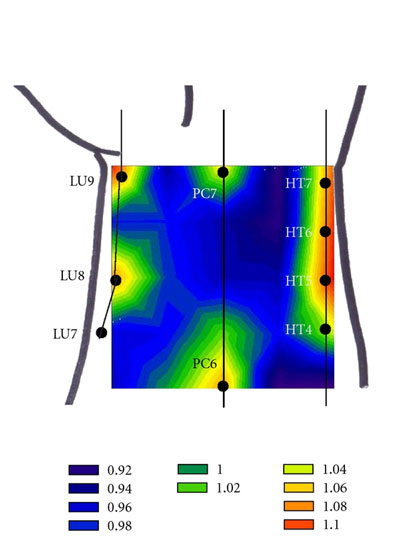
In another interesting study, researchers used an amperometric oxygen microsensor to detect partial oxygen pressure variations at different locations on the anterior aspect of the wrist. The researchers concluded that partial oxygen pressure is significantly higher at acupuncture points. Below are images from the study measuring the increase of partial oxygen pressure combined with an overlay of the local acupuncture point locations. The images map the Lung, Pericardium and Heart channels and their associated local points. Acupuncture points P7 and P6 clearly show high oxygen pressure levels as do the other acupuncture points in the region.
These measurements are not needled points but are natural resting states of acupuncture points absent of stimulation. A truly unique finding, acupuncture points exhibit special oxygen characteristics. Acupuncture points and acupuncture channels are scientifically measurable phenomena in repeated experiments.
Many of us struggle to maintain physical strength during the long cold winter months. Acupuncture in conjunction with exercise protects not only your heart, but builds endurance too! If you feel ready to be a healthier, stronger you, call Rachel to schedule your acupuncture sessions!
New research demonstrates that acupuncture prevents fatigue and enhances athletic endurance. Scientists measured the effects of three acupuncture points on the swimming task ability and liver mitochondrial function of laboratory rats in a highly controlled investigation. The results revealed that the normal control group and model group had significantly shorter swimming exhaustion times than the acupuncture group, which demonstrated objective improvements in athletic endurance. The acupuncture group also demonstrated improvements in liver mitochondrial-respiratory function with a significantly lower oxygen consumption rate than the normal control and model groups. The acupuncture group also demonstrated significant improvements in the liver mitochondrial respiratory control rate (RCR) and the ratio of phosphorus to oxygen (P/O).
The researchers measured additional interesting findings. They compared acupuncture point prescriptions. Group 1 received electroacupuncture at CV4 (Guanyuan) and ST36 (Zusanli) plus manual acupuncture stimulation at GV20 (Baihui). Group 2 received electroacupuncture at CV3 (Zhongji) and SP9 (Yinlinquan) and manual acupuncture stimulation at Yintang (EX-HN3). Group 1 demonstrated significantly better scores than group 2 thereby demonstrating that the CV4, ST36, GV20 acupuncture point prescription has markedly greater anti-fatigue effects.
The investigators note that the treatment principle for the CV4, ST36, GV20 acupuncture point prescription is Shuanggu Yitong, “strengthening both the congenital foundation and the acquired constitution and regulating the yang-qi of the body.” The measurements were geared to quantify the anti-fatigue effects of the point prescription by measuring physical activity capabilities and liver functions in laboratory rats. The researchers concluded that, “Electroacupuncture of CV4 and ST36 plus manual acupuncture stimulation of GV20 can improve the anti-fatigue capability in aging rats with yang-deficiency, which may be related to its effects in reducing liver mitochondrial oxygen consumption and increasing liver mitochondrial RCR and ratio of P/O.”
Another study took a different tack to determine if acupuncture has beneficial effects on bodily strength and endurance. Researchers from the International Society for Autonomic Neuroscience discovered that acupuncture controls the heart rate and increases the strength of cardiac autonomic function. The research indicates that specific acupuncture points may help to prevent heart attacks (myocardial infarctions) and arrhythmias.
Researchers conducted a study of acupuncture points CV17 (Shanzhong) and CV16 (Zhongting). Needling acupoint CV17 decreased the heart rate and increased the power of the high-frequency component of the HRV (heart rate variability), an index of the body’s ability to maintain control of the heart beat rate and rhythm through vagus nerve activity. The researchers conclude that CV17 “causes the modulation of cardiac autonomic function.” CV16 did not change the HRV or demonstrate the same level of beneficial effects on the heart rate as CV17. CV17 is able to activate the autonomic nervous system to control the heart rate by increasing vagal activity. Depressed HRV after MI, a heart attack, reflects a decrease in vagal activity and leads to cardiac electrical instability. Since acupuncture at CV17 increases the cardiac vagal component of HRV, it is an important acupuncture point for patients recovering from MI.
References:
Wang, H., J. Liu, J. M. Liu, J. F. Lü, M. Y. Chen, and J. Z. Wang. "Effect of electroacupuncture stimulation of" Guanyuan"(CV 4), bilateral" Housanli"(ST 36), etc. on anti-fatigue ability and liver mitochondrial respiratory function in ageing rats with Yang-deficiency." Zhen ci yan jiu= Acupuncture research/[Zhongguo yi xue ke xue yuan Yi xue qing bao yan jiu suo bian ji] 38, no. 4 (2013): 259.
Kurono Y, Minagawa M, Ishigami T, Yamada A, Kakamu T, Hayano J. Auton Neurosci. Acupuncture to Danzhong but not to Zhongting increases the cardiac vagal component of heart rate variability. 2011 Apr 26;161(1-2):116-20. Epub 2011 Jan 7.
Acupuncture may provide relief for dental patients who reflexively gag during procedures like teeth impressions, according to Italian researchers.
Up to 20 percent of the U.S. population has severe anxiety at the dentist's office. People who cannot help their gag reflex may unintentionally deprive themselves of the best dental care, write Giuseppa Bilello and Antonella Fregapane, both from the University of Palermo in Sicily.
Acupuncture may be one strategy to solve that problem, the pair suggests.
"It is a small study," Dr. Palle Rosted told Reuters Health. "But it is a good start."
Rosted is a consultant acupuncturist with Weston Park Hospital in Sheffield, England. He was not involved with the current study.
The researchers recruited 20 people with a history of gag reflex in the dental chair to have upper and lower teeth impressions taken under normal circumstances and then immediately after acupuncture.
Participants ranged in age from 19 to 80. For the first round of upper teeth impressions, they reported an average gag reflex score of 7 on a 0-10 scale, with 10 representing the maximum nausea sensation.
During the second round, the researchers applied acupuncture needles about 30 seconds before taking impressions and left the needles in until the procedure ended. On average, gag reflex scores dropped to just 1.
The pattern was similar for gag reflex scores during lower teeth impressions done with and without acupuncture, according to findings published in the journal Acupuncture in Medicine.
The researchers point out that they can't be sure the improvements were due to the acupuncture needles themselves — in part because there was no comparison group that didn't get acupuncture. Another possibility is that gag reflex scores improved because participants were more used to the impressions the second time around.
Still, "It has certainly given us some more evidence that acupuncture may be effective," Rosted said.
The study's positive result "is something that we doctors definitely need exposure to and to keep in mind as a possible option," Dr. Preeti Nair told Reuters Health. "We rarely think of acupuncture, and usually use local anesthetics."
Nair was not part of the current research. She has studied gag reflex at the People's College of Dental Sciences & Research Centre in Bhopal, India.
One difference between a drug like local anesthesia and acupuncture could be side effects.
"We haven't gotten all of the details in our hand, but with acupuncture, the side effects could be less," Nair said. Much more research is needed on the subject, she added.
In order for a large, randomized controlled trial — the gold standard in medical research — to be done on this subject, dental offices and academic institutions may have to work together, said Chris Dickinson of King's College London Dental Institute at Guy's Hospital in England.
In England, the British Dental Acupuncture Society offers training for dentists in certain dental applications of acupuncture, said Dickinson, who was not involved in the new study.
"There are very few contraindications associated with acupuncture and dental operations that we've experienced," Dickinson told Reuters Health. "But we don't use the technique in patients with metal allergies, pregnant women and those with needle phobias."
Dickinson noted that other acupuncture points could have been used for gag control such as ear points and LI4, also known as the Hegu point.
Researchers in the current study placed needles in the PC6, EX 1 and CV24 acupuncture points on the face and wrist.
"The message to dentists is that it's a simple technique and easily learned," Dickinson said. "It's also cost-effective. Even though it does not work in every case there's very little lost by trying it."
In the U.S., acupuncture typically costs about $100 per session.
One of the positive aspects of acupuncture is that after an operation, a patient may choose to drive home, which is not possible with other treatments, such as general anesthesia, Rosted said
"The risk of causing harm with this treatment is nearly non-existent," he said.
SOURCE: bit.ly/1h3eEAt Acupuncture in Medicine, online November 5, 2013.
If you are interested in trying acupuncture for yourself, or want to give the gift of younger, healthier skin, contact Health On Point! Rachel trained in facial acupuncture with Virginia Doran in New York, and is using these techniques with patients here in Iowa City since 2007. You don't have to take our word for it...
As Lora Lipman entered her 60s, she began to notice not only fine lines around her eyes and lips, but an uneven skin tone she described as somewhat grayish and ashy.
She was reticent to opt for chemical enhancements, or the typically invasive nips, tucks, and pokes of plastic surgery.
So instead, on a recent afternoon, she lay perfectly still on a spa table as dozens of the tiniest of acupuncture needles were gently inserted into the skin of her face and head. It was her fourth week undergoing a cosmetic treatment at the steady hands of Stephanie Kula at the Jewish Community Center of the North Shore in Marblehead.
“Now,” said the 62-year-old from Beverly, “people say ‘Your skin looks so nice, so clear and healthy.”
Cosmetic acupuncture — new to the North Shore JCC but reportedly favored by the likes of Gwyneth Paltrow, Angelina Jolie, and Madonna — is on the growing list of natural alternatives to procedures such as face lifts and Botox and collagen injections.
It targets specific points on the face, with the tips of dozens of tiny needles — just as with other acupuncture procedures — placed beneath the skin to stimulate blood flow as well as the production of collagen and elastin. The goal, according to Kula, a licensed acupuncturist, is essentially to “overstimulate” certain areas.
The process can help to fade age spots, improve fine lines, diminish deeper wrinkles, even out and brighten skin tone, reduce jowls, rosacea, and acne, and reduce puffiness, Kula said.
She listed reducing pain, stress, symptoms of depression and anxiety, minimizing hot flashes and night sweats, and improving digestion and sleep cycles as some of the overall holistic benefits of acupuncture.
“It’s an internal and external process, and it works to relax your whole system,” said Kula, who studied the ancient practice at the Academy for Five Element Acupuncture in Gainesville, Fla., and owns the Salem-based North Shore Community Acupuncture. “It’s a way to really take care of yourself. Self-care is something we don’t really do that much of.”
While acknowledging that people can be put off by the very idea of becoming the equivalent of a human pincushion, she said it’s a relatively painless procedure because the needles are thin, less than an inch in length, and akin to a “cat whisker.”
“A lot of people come in with the fear of getting blood drawn,” she said, but having an acupuncture needle inserted is “a sensation you feel for a couple seconds, then it goes away.”
At the JCC in Marblehead, Kula offers what’s known as the Mei Zen method of cosmetic acupuncture, as developed by Denver-based practitioner Martha Lucas. The protocol involves placing 90-plus needles in various points in the face and head; Kula also has incorporated “cupping” into the process, which she says helps to speed up results through the use of suction cups placed and drawn across the skin on the face, neck, and chest to pull up the underlying muscles and tissue and increase blood flow.
She began offering the service at the JCC on Oct. 1. A full run of the procedure is five weeks — twice a week in 60- to 90-minute sessions — with follow-up maintenance once a month after that. Kula charges $150 per session throughout the five-week period, then $85 for follow-ups.
“This is a commitment you make to yourself,” said Lipman, who has been getting general acupuncture treatments for more than 30 years, and reports that they have helped her deal with reflux, sciatica issues, and a sprained ankle. And when the treatment is over, she feels “very relaxed,” she said. “My mind seems clearer. If I have any stress, it’s gone.”
On a recent afternoon, her session began as she lay down on a spa table in a private room, pillows beneath her head and calves. Her long hair was pulled back with a headband, jeans rolled up above the knees.
Kula asked how Lipman was feeling; then, after swabbing each area with antiseptic, she stuck various-sized needles into the tops of Lipman’s feet, around her ankles, below her knees, in her hands, and at her wrists.
Then, she placed a half-dozen smaller needles into the top of her head, and, finally, moved to her face, inserting numerous miniature needles above her eyebrows, on the sides of her nose, around and behind her ears, and tracing her cheekbones, lining her lips, and crowning her chin.
“I feel totally relaxed,” Lipman said as Kula softly pricked her skin. “I really don’t feel most of them. With some, it’s just a little bit of pressure — hardly at all.”
Roughly a half-hour later, Kula carefully removed the tiny implements — Lipman’s skin tinged pink in some areas where they had been applied — then proceeded to place cups on her neckline and face.
“I feel great, wonderful. It’s like having a minivacation,” Lipman reported when it was over.
A new pilot study finds acupuncture effective in significantly improving eyesight for patients with retinitis pigmentosa (RP). This disorder is a genetically inherited condition that may lead to blindness. Acupuncture improved overall eyesight and improved issues of dark to light adaptation and nyctalopia (night blindness).
Patients received 10 thirty minute acupuncture treatments over a two week period. Acupuncture styles included electroacupuncture, local acupuncture and body-style acupuncture. Local points included acupuncture needles on the forehead and below the eyes.
Testing showed that some of the subjects improved in both eyes after only one week of acupuncture treatment and the results lasted between 10 to 12 months. Dark adaptation increased significantly in the subjects. Night vision and the ability to see in darkened regions improved significantly in subjects. Several other visual field improvements were noted in the subjects including expansion of visibility within are larger visual field. The researchers concluded that acupuncture “entails minimal risk if administered by a well-trained acupuncturist and may have significant, measurable benefits on residual visual function in patients with retinitis pigmentosa, in particular scotopic sensitivity, which had not previously been studied.”
This recent study was published in the prestigious Clinical and Experimental Optometry journal. Treatments for retinitis pigmentosa with acupuncture and herbal medicine have demonstrated positive clinical outcomes in several studies. A groundbreaking study was published in 2011 wherein it was discovered that acupuncture protects the optic nerve from damage caused by intraocular pressure by alleviating stresses on retinal and optic nerve axonal ultrastructures. Another study showed that Chinese medicine improved retinal cone activity for patients with retinitis pigmentosa, even in cases of advanced retinal degeneration. Using electroretinograms for the investigation, the study also concludes that, “TCM (Traditional Chinese Medicine) treatment could also enhance the bioactivity of (the) nerve network and therefore have a definite significance in retarding the progression of disease and keeping the central vision.
A more aggressive study wherein She Xiang was injected into acupuncture points UB18 and UB23 found that acupuncture improved eyesight for patients with retinitis pigmentosa. The study concludes that injection of She Xiang into Ganshu (UB18) and Shenshu (UB23) “can improve effectively the function and metabolism of optic cells, promote blood circulation of the retina, enhance the visual acuity, and protect the central vision for the patient of retinitis pigmentosa.” In yet another study of retinitis pigmentosa, patients receiving acupuncture (ranging from ages 7 – 75 years) showed significant improvement and a halting of deterioration of the visual field.
Acupuncture therapy combined with anti-depressants has been found to relieve symptoms of depression more effectively than drugs alone
 |
| Acupuncture alongside anti-depressants can help ease depression, a British study found. |
New research, conducted by Dr Hugh MacPherson and colleagues from the University of York, found patients who had acupuncture alongside their antidepressants improved more after three months than those who simply took medication.
Their symptoms reduced on the same scale as those who had counseling alongside their normal treatment. The researchers felt the study was of great importance as many patients would like to be offered non-pharmacological treatment options such as acupuncture or counseling.
At present, the vast majority of sufferers are only offered antidepressants, which are ineffective for 60 per cent of people.
The study included 755 men and women with moderate to severe depression. The patients were divided in groups to receive up to 12 weekly sessions of acupuncture plus usual care (302 patients), up to 12 weekly sessions of counseling plus usual care (302 patients) or usual care alone (151 patients).
The findings, published in the PLoS Medicine Journal, found that the 2,000-year-old Chinese method improved symptoms for up to six months.
It is thought that it alleviates symptoms such as overwhelming sadness and hopelessness, by stimulating the release of endorphins and other "feel-good" chemicals.
Mandy Laing, a qualified member of the British Acupuncture Council comments: "For some anxiety sufferers, life is extremely tough. A lot of people don't realize that this condition can cause a considerable amount of stress and disability for the person... Traditional acupuncture is a safe and effective treatment choice."
The illness currently affects more than 350 million people worldwide and about one in six people will have an episode of depression during their lifetime.
For people who are clinically depressed, feelings of severe sadness, anxiety, hopelessness, and worthlessness can last for months and years. And affected individuals lose interest in activities they used to enjoy and sometimes have physical symptoms such as disturbed sleep, leaving many unable to work.
This research could open up new treatment options for those who suffer from moderate or severe depression.
If you or someone you knows suffers from depression, let them know that acupuncture with Health On Point may help!
Humans have always sought relief when they are in pain, so it is no wonder that an ancient practice has come to the aid of people suffering from low back pain.
Acupuncture is a procedure that started in Chinese medicine and has been adapted and is widely accepted in Western medicine, particularly to promote good health or to relieve pain or create a numbing sensation in a particular area of the body. In its Eastern tradition, the practice regulates chi in the body (its life force, or flow of energy) by placing needles in meridians (the channels through which chi flows) near the surface of the skin.
"When you insert needles, you release natural opiates such as endorphins," said David Mortell, an acupuncturist. "And MRI studies indicate acupuncture raises the threshold for pain in the brain."
Acupuncture heightens the effectiveness of the areas of the brain responsible for regulating pain signals, doctors at the Chronic Pain and Fatigue Research Center at the University of Michigan found in a 2009 study.
In a clinical trial in South Korea in 2011, patients with severe back pain reported significantly more relief from acupuncture than did those in the control group, who were treated with the prescription nonsteroidal anti-inflammatory drug diclofenac. A metastudy of 13 trials in China indicated acupuncture "achieved better outcomes when compared with other treatments."
In a German study in 2007, low back pain sufferers who were treated with acupuncture reported more relief than those who were treated with drugs, physical therapy and exercise.
"Acupuncture represents a highly promising and effective treatment option for chronic back pain," concluded the researchers. "Patients experienced not only reduced pain intensity, but also reported improvements in the disability that often results from back pain."
It worked for Neal Griebling, 70, of Mount Washington. Mr. Griebling injured his back shoveling heavy snow in 1994, and has had low back pain off and on ever since. He sought treatment from a pain physician and from a chiropractor before trying acupuncture.
"On a scale of 10, the pain relief I get from a session with acupuncture is an 8, sometimes a 9," Mr. Griebling said. He gave the therapy he received from a chiropractor only a 4 on his pain relief scale. The injections he received from a physician didn't help at all. "They were a zero."
(original article printed in the Pittsburgh Post-Gazette)
New research from the University of Maryland School of Medicine concludes that acupuncture increases pregnancy rates for women receiving IVF at medical clinics that otherwise have low success rates with the fertility procedure. The study was a systematic review of 16 clinical trials with a total of 4,021 subjects. Acupuncture was compared with IVF as a standalone treatment and also with IVF combined with simulated-sham acupuncture. The researchers discovered some very interesting results.
Across the 16 separate and independent clinical trials, acupuncture was successful in increasing pregnancy rates in clinics with a lower than 32% IVF success rate. On the other hand, acupuncture did not enhance the IVF procedure in clinics wit a higher than 32% success rate. Lead author Eric Manheimer notes that this may be due to the fact that acupuncture and other fertility enhancement procedures have a lessened clinical value for IVF when the pregnancy rates are already high. The study concludes that in cases where pregnancy rates are low, acupuncture offers a significant clinical benefit to those receiving IVF by increasing the pregnancy rate.
Another recent study concludes that acupuncture and moxibustion significantly increase pregnancy rates for women receiving IVF fertility treatments. The study investigated infertile women who had at least 2 unsuccessful IVF fertility treatments. True acupuncture, sham acupuncture and a control group were compared. The acupuncture group showed a significantly higher clinical success rate the IVF procedure than both the sham acupuncture and control groups. The acupuncture group had a 35.7% success rate whereas the sham group had a 10.7% success rate and the control group had a 7.1% success rate. These findings are consistent with the University of Maryland Study in that acupuncture has been shown to significantly increase IVF success rates for individuals and clinics with a prior history of failed IVF procedures respectively.
This second study investigated both acupuncture and moxibustion for the enhancement of IVF success rates. Acupuncture points on the Conception Vessel, Governing Vessel and Urination Bladder Channel were chosen: UB18, UB22, UB23, UB52, CV3, CV4, CV5, CV7 and GV4. Acupuncture needling was administered on the first and seventh days during which ovulation was medically induced. Acupuncture was also administered on the day prior to medical intervention of the ovary and on the day after the embryo transfer.
Yet another study presented conclusive evidence showing that acupuncture is more effective than clomifene (Clomid, Omifin) for the treatment of infertility. Acupuncture had a 76.8% success rate for the induction of ovulation and clomifene demonstrated a 48.1% success rate. More than this, an important study discovered that acupuncture increases live birth rates. Women receiving IVF treatments had significantly higher live birth rates if acupuncture was applied on the day of embryo transfer. Researchers from the University of Washington (Seattle), Oregon College of Oriental Medicine (Portland) and the Northwest Center for Reproductive Sciences (Kirkland, Washington) applied acupuncture prior to the IVF procedure to GV20, CV6, ST29, SP8, P6, and LV2 along with auricular points: uterus, endocrine, shenmen, brain. Afterwards, acupuncture points LI4, SP10, ST36, SP6 and K3 were applied along with the same auricular points. Notably, prior to IVF the uterus and endocrine points were applied to the right ear and the shenmen and brain auricular acupuncture points were applied to the left ear. After the IVF procedure, the auricular points were applied to the opposite ears.
Another study study also concluded that acupuncture increases live birth rates for women who get IVF treatments. Scientists sought to measure the histological mechanisms by which acupuncture exerts its effective action. They were successful in discovering that acupuncture increases blood and embryo levels of HLA-G, a protein that is predictive of higher pregnancy and live birth rates when in higher concentrations. It is important to note that this biochemical research concluded that acupuncture increased both pregnancy rates and live birth rates.
At Health On Point we offer supporting treatments to complement your reproductive care. Mention today's article and receive a 30% discount on herbal teas that benefit moms to be!
References:
Manheimer, Eric, Daniëlle van der Windt, Ke Cheng, Kristen Stafford, Jianping Liu, Jayne Tierney, Lixing Lao, Brian M. Berman, Patricia Langenberg, and Lex M. Bouter. "The effects of acupuncture on rates of clinical pregnancy among women undergoing in vitro fertilization: a systematic review and meta-analysis." Human reproduction update (2013).
di Villahermosa, Daniela Isoyama Manca, Lara Guercio dos Santos, Mariana Balthazar Nogueira, Fabia Lima Vilarino, and Caio Parente Barbosa. "Influence of acupuncture on the outcomes of in vitro fertilisation when embryo implantation has failed: a prospective randomised controlled clinical trial." Acupuncture in Medicine (2013).
Journal of Acupuncture and Tuina Science, 2012, 10(2), R246.3. Teng Hui, Liu Yu-lei, Wang Jun-ling, Xie Ying. Department of Traditional Chinese Medicine, Shenzhen Maternal and Child Healthcare Hospital, Guangdong, China.
Johansson, Julia, et al. "Acupuncture for ovulation induction in polycystic ovary syndrome: A randomized controlled trial." American Journal of Physiology-Endocrinology And Metabolism (2013).
New research demonstrates that acupuncture is an effective treatment for hot flashes in breast cancer survivors. The research reveals that acupuncture reduces both the frequency and intensity of hot flashes while at the same time improving the overall quality of sleep. Researchers examined feedback and found that the acupuncture treatments were described as relaxing by most participants. The researchers also noted that the results show that acupuncture is cost effective, safe and does not exhibit the adverse affects caused by medications
Data from the research discovered that acupuncture improved the overall quality of life score over venlafaxine. Acupuncture improved symptoms but did not induce unwanted side effects. The medication venlafaxine, however, caused a 72% incidence of adverse affects. The researchers noted that in one study venlafaxine side effects caused 21% of study participants to withdraw due to the severity of the adverse effects. Acupuncture, by contrast, improved the overall quality of life and improved symptoms. Acupuncture and venlafaxine decreased hot flashes, improved menopausal symptoms and reduced mental health issues. The researchers noted that acupuncture is “only modestly more costly” than venlafaxine but does not have the unwanted side effects of the medication.
The researchers also discovered data showing that acupuncture decreases the frequency of hot flashes associated with tamoxifen intake. Patients are often given this estrogen antagonist as a means to prevent the recurrence of breast cancer. The data showed a significant reduction in hot flashes as a result of acupuncture treatments to the point where patients were able to continue tamoxifen intake. Prior, the side effects of the drug prompted discontinuation of the cancer prevention drug. In this way, acupuncture may enable patients to continue with cancer medication therapy by controlling adverse effects.
The study showed a 71% decrease in the number of nighttime hot flashes as a result of acupuncture treatment. Prior to acupuncture treatment, participants averaged 1 - 20 nighttime hot flashes. Following the acupuncture treatment regime, the average number of nighttime hot flashes reduced to 0 - 5 per night. A 60% decrease occurred in daytime hot flashes as a result of acupuncture treatment. In addition, all participants in the study had a significant decrease in the severity of hot flashes following the acupuncture treatment regime. All participants were given a questionnaire following the acupuncture treatment regime and all participants noted they would recommend acupuncture to a family member or friend.
The patients in the study provided some interesting responses. One participant noted, “It was relaxing during the treatment.” This was a common comment with others stating, “It was relaxing. I enjoyed the quietness,” while another participant noted, “I felt relaxed, calm, and in control of my emotions.” Patients also gave personal comments on the efficacy of care in their feedback. One participant noted, “It minimized my hot flashes,” another noted that, “They actually worked. I also enjoyed the total wellness.” One patient noted that, “It decreased my hot flashes and I sweat a lot less.” Another patient provided similar feedback, “I noticed improvements immediately in sleep patterns. I didn’t wake in the middle of the night with hot sweats. My hot flashes were less often even during the day.”
Breast cancer is the most prevalent form of cancer for women in the USA. Severe hot flashes that adversely affect the lives of breast cancer survivors occurs at a rate of approximately 85%. Pharmaceutical approaches to the management of hot flashes pose three obstacles. Many drugs are ineffective in controlling hot flashes. Many effective drugs are contraindicated for breast cancer survivors. Lastly, many drugs cause severe side effects and cause women to discontinue medication. Acupuncture was found safe, effective and well received for the treatment of hot flashes. The implications are enormous in that the overall quality of life scores increased while hot flashes decreased. Additionally, acupuncture enables tolerable intake of medications used to prevent breast cancer recurrence. Call today to schedule a session with Rachel!
Reference: Misiewicz, Hollis. "Acupuncture for the Management of Hot Flashes in Breast Cancer Survivors." Mercy Hospital, Baltimore, Maryland (2013).
|
|
|
|