|
Acupuncture relieves neck pain and numbness and reduces levels of proinflammatory blood cytokines. Researchers conclude that warm needle acupuncture has a 92.05% total effective rate for the treatment of pain, numbness, and radiating discomfort due to cervical spondylosis with radiculopathy. This is a condition wherein there is spinal and soft tissue degeneration in the neck causing nerve impingement with subsequent pain or numbness. Acupoints for cervical radiculopathy. The symptoms often radiate from the neck to the shoulders, chest, back, and limbs. In addition, acupuncture successfully reduces blood levels of tumor necrosis factor-a (TNF-a) and the proinflammatory cytokines interleukin-1 beta (IL1β) and interleukin 6 (IL6).
A total of 169 patients participated in the hospital study. Most of the patients experienced pain upon stretching and all patients had a limited range of motion of the neck. Patients demonstrated significant reductions in neck, shoulder, and limb pain as a result of acupuncture treatments. Acupuncture also significantly relieved numbness in these areas.
Two groups were compared. One group received conventional acupuncture and the other group received warm needle acupuncture. The warm needle acupuncture group received a combination of moxibustion with acupuncture and had a 92.05% total effective rate. The conventional acupuncture group had an 81.48% total effective rate.
One course of care comprised one treatment per day for six days. All patients received two courses of care. Both groups demonstrated a high effective rate with significant reductions in pain and numbness. In addition, both groups demonstrated significant improvements in range of motion. Needling of the neck.
A related study finds acupuncture more effective than Meloxicam, a nonsteroidal antiinflammatory drug, for the treatment of neck disc herniations. A total of 420 patients were investigated in a randomized controlled study.
Of the 207 electroacupuncture patients, 145 patients recovered in the short-term. Of the 208 drug patients, 93 recovered in the short-term. Improvements also occurred in an additional 53 acupuncture patients and 90 medication patients. The electroacupuncture group had 9 poor responses and the drug group had 25 poor responses to treatment in the short-term.
Poor results for electroacupuncture were limited to 2 patients and 14 medication patients had poor results in the long-term. The researchers note, “With a randomized controlled multi-centered large-sampled method, this study has shown that the EA (electroacupuncture) group was better than the medication group in comparing both short-term and long-term therapeutic efficacies.”
If you or someone you know suffers from neck pain or numbness, please contact us!
Chronic pain is a growing and complicated issue. Millions of people feel stuck with their pain, suffering day in and day out with no resolution in sight. For many, acupuncture can shed light at the end of this very dark tunnel.
We know that the nature of chronic pain can vary widely, from musculoskeletal and neurogenic to gastrointestinal, urogenital, and gynecological. However, less attention gets paid to the emotional component of chronic pain, which can be caused and exacerbated by negative emotions such as anger, frustration, and anxiety.
Pain conditions that are emotionally charged—which, ultimately, describes all cases of pain, since being in pain produces negative thought patterns—often are unabated by the pain killers and anti-inflammatory medications that are so commonly prescribed.
Treating chronic pain effectively requires approaching it holistically. This is where acupuncture excels.
Acupuncture Approach to Chronic Pain
In Chinese medicine, there is no separation between mind and body. The two are inexorably linked, constantly influencing and regulating each other.
This philosophy runs counter to the way chronic pain is typically tackled by mainstream medicine, which tends to approach the problem strictly through a biological lens. Biologically, chronic pain is fairly straightforward. Misbehaving nerve impulses fire consistently, alerting the brain to the presence of inflammation or tissue damage.
When we look at chronic pain holistically, there’s more than nerve impulses to consider.
Our thoughts have a profound effect on how our bodies function. Negative thoughts and emotions increase stress hormones such as cortisol and norepinephrine, which overtime can lead to systemic inflammation and a deterioration of overall health.
Emotions, like physical activity, require the expenditure of energy—energy that could otherwise be directed toward helping to heal the body. This is why you can have days when you barely exert yourself physically yet feel exhausted by the end.
Our emotions can wear us out. Many people are overwhelmed with stress, anxiety, and other types of emotional turbulence yet remain unaware that it’s contributing to their physical health problems.
Acupuncture refuses to let emotional turbulence fly under the radar.
In acupuncture theory, the Heart is at the center of all human life and plays a role in all emotions. Appropriately, another term for the Heart in Chinese medicine is Emperor. If the Emperor falls ill, he loses his ability to maintain order in his empire.
When we apply that metaphor to human health, it goes something like this: The Heart, ruler of the emotions, must be healthy for the rest of the body to follow suit. In other words, it is impossible to effectively treat chronic pain (or any other chronic condition) without addressing a person’s state of mind.
So, how do acupuncture and Chinese medicine address our states of mind?
One way is by choosing acupuncture points and prescribing herbal formulas that boost or tonify Blood. In acupuncture, negative emotions, particularly when chronic, create internal heat, which eventually consumes and depletes the nutritive Blood of the body.
Blood in acupuncture is more than just the red liquid that flows through our veins and arteries. Blood is viewed as a substance of nutrition and healing, the conduit through which our emotions flow.
When negative emotions become consuming, as is often the case in people who live with chronic pain, it can lead to signs of what acupuncturists call Blood deficiency. Symptoms may include dizziness, heart palpitations, insomnia, fatigue, poor memory, pale skin and tongue, weak pulse, and scanty or light menstrual periods.
Read "Self-Care Techniques for Chronic Pain" in our next post!
- Written by Adam Cantor
A new study concludes that acupuncture combined with herbal medicine is more effective than drugs for the treatment of headaches. This confirms similar results found in a prior study wherein acupuncture was found comparable to drugs for the treatment of migraine headaches. The new study finds acupuncture combined with herbal medicine is effective for the treatment of vascular headaches whereas the prior study found acupuncture, as a standalone procedure, effective for the treatment of migraines. The results agree that acupuncture and/or acupuncture combined with herbs produce positive patient outcomes for headaches.
 The prior study concluded that acupuncture is “of comparable efficiency to several proven drug therapies for the treatment and prevention of migraine(s).” The meta-analysis examined 25 randomized controlled trials involving a sample size of 3,004 patients. True acupuncture significantly outperformed simulated sham-acupuncture. In addition, true acupuncture was comparable to drug therapy for the treatment and prevention of migraines.
Acupuncture combined with Chinese herbal medicine is more effective than nimodipine for relieving vascular headaches. These headaches include cluster headaches, migraines and toxic headaches. Migraines involve unilateral or bilateral head pain and may combine with nausea, vomiting, sensitivity to light and sound, and visual auras. Toxic headaches occur during fevers. Cluster headaches are focal and recur in severe episodes.
The researchers conducted a randomized acupuncture continuing education investigation of 92 patients with vascular headaches at the College of Traditional Chinese Medicine (TCM) in Chongqing Medical University (Sichuan). Group #1 received oral administration of nimodipine at 40 mg per dose, three times per day. Group #2 received acupuncture and a Chinese herbal formula. A course of treatment for both groups consisted of two weeks and the entire treatment lasted for two courses.
After two courses of treatment, both groups achieved varied degrees of curative effects in terms of reducing headache attacks, duration of each attack and the intensity degree of headaches. The acupuncture group outperformed the drug group in all of the aforementioned indices. As a result, the researchers conclude that acupuncture combined with Huo Xue Qu Feng Tong Luo Tang is superior to nimodipine for the treatment of vascular headaches.
Debilitating foot or heal pain limits many of us - regardless of age or activity level. One thing is for certain, while there are numerous regimens for this (read more below), our experience at Health On Point demonstrates that acupuncture is an incredibly successful option for treatment. With the warming weather, many of us are increasing our activity. Should you or someone you know suffer from food or heal pain, please call our clinic to schedule an appointment!
Recent research indicates acupuncture is an effective and safe treatment for heel pain. Heel pain is a common foot condition often characterized by intense pain, especially when placing weight onto the foot. Pain on the back of the heel often indicates achilles tendinitis and pain on the underside of the heel often indicates plantar fasciitis.
One of the most common causes of heel pain, plantar fasciitis involves pain and inflammation of the band of tissue running across the bottom of the foot. New research indicates that acupuncture is effective for plantar fasciitis, achilles tendinitis and many other forms of heel pain.
Biomedical approaches to heel pain treatment include behavioral therapy, nonsteroidal anti-inflammatory drugs (NSAIDs), corticosteroid injections, small needle knife therapy, block therapy, shockwave therapy and surgery. Traditional Chinese Medicine (TCM) historical records document success in the treatment of heel pain using acupuncture. This new scientific investigation confirms the historical data.
The researchers from Guangzhou Dongsheng Hospital and Guangzhou Social Welfare House examined 19 separate clinical investigations and discovered that 16 of the 19 studies made extensive use of ahshi ("trigger point") acupuncture points to achieve optimal patient outcomes. In one investigation carried out by Xu Xuemeng et al., 66 patients were randomly divided into an acupuncture group and a control group. The acupuncture group received filiform acupuncture needle method treatment and the control group received injections and local blocking therapy. The results were assessed six months following the treatment. The acupuncture group achieved an effective rate of 97% and the drug therapy group had only a 76% effective rate.
Based on the 19 reviewed studies that were performed in the past five years, the researchers conclude that acupuncture is safer, easier to apply, and more effective than conventional treatments for heel pain.
Acupuncture integrates into hospital emergency room care and helps relieve pain and nausea.
A new study conducted at the Northern Hospital in Melbourne, Australia demonstrates that acupuncture is safe and effective for the treatment of pain and nausea in the emergency room setting. The research reveals that adding acupuncture to conventional biomedical care results in better patient medical outcomes.
The study was conducted between January and August of 2010. A total of 200 patients presenting to emergency room triage with pain and/or nausea were treated with both acupuncture and biomedical care. This integrative medicine group was compared with another group receiving only biomedical ‘western medicine’ care. The acupuncture group responded with an 84.8% response rate that they would consider repeating acupuncture care. Of that 84.8%, a total of 53.5% noted “definitely yes” to repeating acupuncture care in the emergency room setting.
The most common conditions treated with acupuncture were musculoskeletal concerns. Abdominal and flank pain were the second most common condition. Reviewing all conditions, the integrative medicine acupuncture group demonstrated significant gains over the biomedicine group in significant decreases in both pain and nausea.
The researchers conclude that acupuncture is both safe and effective. They also note that acupuncture is “acceptable” to patients in the emergency room setting. As a result, the researchers have called for a study to understand the cost-effectiveness of implementing acupuncture into the emergency medicine department.
Related research finds acupuncture cost-effective for the treatment of pain.
Researchers from the University of York, UK, investigated the economic value of acupuncture for the treatment of lower back pain, neck pain, dysmenorrhea, migraines, arthritis and headaches. The researchers documented correlations between the clinical benefits of acupuncture and medical cost savings. The researchers concluded, “Acupuncture appears to be a cost-effective intervention for some chronic pain conditions.”
Acupuncture effectively reduces pain according to research published in The Journal of the American Medical Association (JAMA).
Acupuncture groups had significantly greater reductions of pain than both non-treatment control groups and sham (imitation/placebo) control acupuncture groups in multiple high quality studies. Specifically, acupuncture was found effective for reducing pain associated with osteoarthritis, chronic headache, shoulder pain, nonspecific musculoskeletal pain, neck pain and back pain.
Researchers from Memorial Sloan-Kettering Cancer Center, New York and Technical University, Munich underscored the importance of this latest research. They note that prior meta-analyses and systematic reviews of acupuncture for the treatment of pain included research of “variable quality.” In this new study, the scope was “restricted to high-quality trials.”
The researchers started with 31 eligible studies with a total of 19,827 patients. Studies were accepted only from the United States of America, United Kingdom, Germany, Spain and Sweden. Only studies with controls were included. Controls included no-acupuncture and sham/placebo acupuncture. All studies were conducted between 1996 and 2008. The researchers refined the studies down to 29 from the original 31 to preserve the highest quality evidence profile.
The clinical results demonstrated acupuncture to provide a “good response” to pain reduction in 50% of all cases. Sham/placebo acupuncture groups demonstrated the ability to reduce pain in 42.5% of cases and no-acupuncture controls demonstrated pain reduction in 30% of all cases. Some concern was expressed by the researchers that the sham/placebo acupuncture groups received active true acupuncture because some of the sham/placebo techniques “involved skin penetration.” They note that the sham/placebo acupuncture may not be “physiologically inactive.” As a result, some of the successes with sham/placebo acupuncture may reflect true acupuncture results. The researchers note “trials that include sham acupuncture as a comparison may underestimate the effects of acupuncture on pain reduction.” Another consideration is that these controlled studies involve blinding and standardization. As a result, the benefits of acupuncture may be underestimated because a true clinical setting involves customization of acupuncture procedures according to an individual patient’s differential diagnosis.
The researchers note that many established guidelines recommend acupuncture. They cite, for example, that the American College of Physicians’ guidelines recommend acupuncture for the treatment of back pain. Also, the UK National Institute for Health and Care Excellence (NICE) guidelines officially recommend acupuncture treatments for both chronic headaches and migraines when unresponsive to pharmaceutical medications.
This level of meticulous review establishes acupuncture as a standard and effective tool for the treatment of pain. This research has been published just after a recent discovery by investigators at Rutgers University Medical School, New Jersey that acupuncture reduces inflammation. The surgery department researchers proved that electroacupuncture fights infections including polymicrobial peritonitis and reduces severe systemic inflammation due to infections, sepsis. The researchers documented that the anti-inflammatory effects of electroacupuncture “are voltage dependent.” Non-acupuncture points (sham points) did not exert anti-inflammatory responses and “electroacupuncture with a wooden toothpick” did not reduce inflammation. Only true acupuncture was effective in regulating both dopamine and cytokine levels and produced anti-inflammatory effects that prevented death.
The researchers note that the anti-inflammatory mechanism of electroacupuncture is “mediated by the sciatic and vagus nerves that modulates the production of catecholamines in the adrenal glands.” The researchers documented that electroacupuncture reduced lipopolysaccharide-induced serum levels of cytokines, reduced inflammation and prevented death due to sepsis.
There is a powerful take away from the latest research. Not only is acupuncture effective but it is irresponsible and uninformed to dismiss it. The data is in and acupuncture is a valuable treatment modality. There is a great need in modern clinical settings to provide enhanced relief from pain to alleviate suffering. Moreover, acupuncture’s anti-inflammatory actions demonstrate that it saves lives by preventing sepsis. If you are curious about acupuncture and would love to experience the benefits for treatment firsthand, call Health On Point to schedule a consultation today.
Acupuncture is found more effective than drug therapy for the treatment of neck disc herniations. We encourage you to review the study highlighted below. Whether you are an acupuncture 'pro' or are curious about finding long term pain relief, call our clinic for a phone consult and to schedule a session today!
This disorder is characterized by neck pain, numbness and/or weakness that often radiates towards the hands. Researchers compared electroacupuncture with the medication Meloxicam and discovered that electroacupuncture is more effective in both the short and long-term for the treatment of cervical intervertebral disc herniations.
A total of 420 patients were investigated in this randomized controlled study. An electroacupuncture group was compared with a Meloxicam group. Meloxicam is a nonsteroidal anti-inflammatory drug (NSAID) with analgesic and anti-febrile effects.
Acupuncture was applied to acupoints GV14 (DU14, Dazhui), UB11 (BL11, Dazhu) and SI3 (Houxi). All participants were screened with strict inclusion and exclusion criteria based on objective testing including standard X-ray findings and CT (computed tomography) scans.
GV14 was needled upwards and obliquely between 0.5 to 0.7 cun. A cun is an anatomical measurement that is approximately 1 inch. SI3 was needled perpendicularly towards LI4 (Hegu) between 0.5 to 0.7 cun. Upon the arrival of de Qi needling sensation, a manual acupuncture technique of lifting and thrusting was applied with mild intensity for one minute for each of these acupuncture points. De qi is a combination of bodily sensations induced by acupuncture needling techniques combined with physiological responses to the stimulation. De qi sensation is often described as dull, heavy, deep pressure, pulling, numb, aching, spreading, radiating, electrical, refreshing, relieving and tingling. The requirements for the de Qi sensation at SI3 were that of extending to the entire hand.
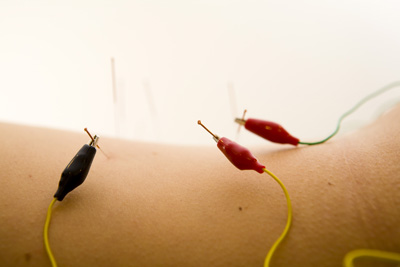
GV14 and UB11 were connected by electroacupuncture stimulation with a continuous wave at 40 Hz with an intensity of 2 mA for approximately 20 minutes. Acupuncture treatments were administered once per day. A total of 10 acupuncture treatments consisted of one treatment course. A day off was taken following the first course. This was followed by another treatment course of identical procedures and quantity. The Meloxicam medication group received a 7.5 mg/tablet at a rate of once per day. The oral tablet was taken after dinner for a total of 20 days.
Of the 207 electroacupuncture patients, a total of 145 patients recovered in the short-term. Of the 208 medication patients, 93 recovered in the short-term. Improvements also occurred in an additional 53 acupuncture patients and 90 medication patients. A poor response was indicated by no improvement of symptoms and the decrease rate of symptoms and signs was less than or equal to 30%. The electroacupuncture group had 9 poor responses and the medication group had 25 poor responses to treatment.

Long-term results were significantly better for the electroacupuncture group than the medication group. Of the 207 electroacupuncture patients, a total of 180 patients showed recovery in the long-term. Of the 208 medication patients, 142 patients had a long-term recovery. Electroacupuncture caused 25 patients to improve significantly. The medication caused 52 medication patients to improve significantly. Poor results for electroacupuncture were limited to 2 patients and 14 medication patients had poor results. The researchers note, “With a randomized controlled multi-centered large-sampled method, this study has shown that the EA (electroacupuncture) group was better than the medication group in comparing both short-term and long-term therapeutic efficacies.”
Recovery was defined as a patient who is asymptomatic, has regained normal muscle strength and cervical & limb functions, is able to return to work and has a decrease in the rate of both symptoms and signs greater than or equal to 95%. Objective improvements were measured with tests including tendon reflexes, brachial plexus traction tests and spurling tests. Cervical motion was rated for improvements in lateral flexion, forward flexion, backward bending and side turning. Subjective measurements were applied to pain, tenderness and numbness scores. These measurements demonstrated that electroacupuncture proved significantly more effective in the short and long-term than the medication.
Short-Term Results
Of the 207 electroacupuncture patients, a total of 145 patients recovered in the short-term. Of the 208 medication patients, 93 recovered in the short-term. Improvements also occurred in an additional 53 acupuncture patients and 90 medication patients. A poor response was indicated by no improvement of symptoms and the decrease rate of symptoms and signs was less than or equal to 30%. The electroacupuncture group had 9 poor responses and the medication group had 25 poor responses to treatment.
Long-Term Results
Long-term results were significantly better for the electroacupuncture group than the medication group. Of the 207 electroacupuncture patients, a total of 180 patients showed recovery in the long-term. Of the 208 medication patients, 142 patients had a long-term recovery. Electroacupuncture caused 25 patients to improve significantly. The medication caused 52 medication patients to improve significantly. Poor results for electroacupuncture were limited to 2 patients and 14 medication patients had poor results. The researchers note, “With a randomized controlled multi-centered large-sampled method, this study has shown that the EA (electroacupuncture) group was better than the medication group in comparing both short-term and long-term therapeutic efficacies.”
A meta-analysis of 8 acupuncture studies and 11 herbal medicine studies revealed a success rate of 50% or greater for the reduction of premenstrual syndrome (PMS) and premenstrual dysphoric disorder (PMDD). No incidence of major adverse events occurred. As a result, the researchers concluded that the acupuncture and herbal medicines investigated in the study are both safe and effective.
PMS occurs during the late luteal phase of the menstrual cycle. The research notes that up to “25% of menstruating women report moderate-to-severe premenstrual symptoms. Approximately 5% report severe symptoms.” Acupuncture demonstrated the ability to reduce symptoms by 77.8% within 2-4 treatments. The treatment protocol yielding these results employed the use of acupuncture points DU20, LI4, HT3, CV3, CV4, CV6, PC6, GB34, UB23 and ear Shenmen. In addition, these results were significantly superior to the sham acupuncture controls.
Hand acupuncture was found more effective than traditional acupuncture for the treatment of hot flashes. Hand moxibustion demonstrated very high improvement rates for the treatment of anxiety, mood swings, swelling and depression. Notably, there were no differences in treatment outcomes between acupuncture treatments given during the luteal and follicular phases. The researchers concluded that these findings demonstrate that acupuncture treatments “need not be limited only to the luteal phase.”
As with acupuncture, no serious adverse events were reported with the herbal medicines investigated in the study. The herbal medicines were effective in the relief of PMS and included the herbal formulas Dan Zhi Xiao Yao San and Xiao Yao San. Groups treated with either hand acupuncture, Vitex Agnus castus or Xiao Yao San demonstrated over a 70% improvement in the reduction of PMS symptoms. The findings of this recent study are confirmed in another study entitled the Therapeutic effect of Vitex agnus castus in patients with premenstrual syndrome. That study concludes, “Vitex agnus can be considered as an effective and well tolerated treatment for the relief of symptoms of mild and moderate PMS.” The same findings were concluded in the study Treatment of Premenstrual Syndrome with a Phytopharmaceutical Formulation Containing Vitex agnus castus.
Getting back to this most recent study, Xiao Yao San decoction demonstrated an overall reduction in fatigue by 68.9% and a 74.8% improvement rate for the reduction of insomnia. Vitex Agnus castus showed greater than a 50% improvement rate for the relief of back pain. Xiao Yao San scored the highest for the relief of anxiety, irritability, mood swings and depression. The researchers note that, “For increased anger during the luteal phase, Vitex Agnus castus and Elsholtzia splendens treatment resulted in more than a 50% improvement.” Both acupuncture and herbal medicines demonstrated significant improvements over placebo controls with the exception of Cirsium japonicum.
The researchers note that these findings suggest that a large-scale, multicenter study is warranted given the findings. They called for comparisons between treatment frequencies, dosages and treatment durations for each PMS/PMDD symptom. They note that further study will provide acupuncture continuing education and will give guidance to clinical protocols. The also note that, “Our findings were consistent with those of comparable reviews of acupuncture and herbal interventions for treating PMS/PMD.”
The researchers provided background into the use of complementary, traditional and alternative medicines for the treatment of PMS. A US telephone survey documented that 80% of women “preferred non-pharmacological interventions” including vitamins, supplements and other types of treatment modalities. Pharmacological approaches include the use of antidepressants, diuretics, psychotropics, progesterone, GnRh agonists, estrogen, oral contraceptives, “pyridoxine, ethinyl estradiol and drospirenone, and synthetic androgen and gonadotropin inhibitors.” Researchers discovered that the majority of women preferred “dietary changes, exercise, cognitive behavioral therapy, and complementary and alternative medicine” and other non-pharmacologic approaches.
In related research, investigators find that acupuncture combined with moxibustion and cupping is effective for the treatment of menstrual pain. The study consisted of sixty-six patients with dysmenorrhea, menstrual pain. The pain was significantly relieved or eliminated in all sixty-six patients with a combination of acupuncture, cupping and moxibustion within 2-6 treatments.
Humans have always sought relief when they are in pain, so it is no wonder that an ancient practice has come to the aid of people suffering from low back pain.
Acupuncture is a procedure that started in Chinese medicine and has been adapted and is widely accepted in Western medicine, particularly to promote good health or to relieve pain or create a numbing sensation in a particular area of the body. In its Eastern tradition, the practice regulates chi in the body (its life force, or flow of energy) by placing needles in meridians (the channels through which chi flows) near the surface of the skin.
"When you insert needles, you release natural opiates such as endorphins," said David Mortell, an acupuncturist. "And MRI studies indicate acupuncture raises the threshold for pain in the brain."
Acupuncture heightens the effectiveness of the areas of the brain responsible for regulating pain signals, doctors at the Chronic Pain and Fatigue Research Center at the University of Michigan found in a 2009 study.
In a clinical trial in South Korea in 2011, patients with severe back pain reported significantly more relief from acupuncture than did those in the control group, who were treated with the prescription nonsteroidal anti-inflammatory drug diclofenac. A metastudy of 13 trials in China indicated acupuncture "achieved better outcomes when compared with other treatments."
In a German study in 2007, low back pain sufferers who were treated with acupuncture reported more relief than those who were treated with drugs, physical therapy and exercise.
"Acupuncture represents a highly promising and effective treatment option for chronic back pain," concluded the researchers. "Patients experienced not only reduced pain intensity, but also reported improvements in the disability that often results from back pain."
It worked for Neal Griebling, 70, of Mount Washington. Mr. Griebling injured his back shoveling heavy snow in 1994, and has had low back pain off and on ever since. He sought treatment from a pain physician and from a chiropractor before trying acupuncture.
"On a scale of 10, the pain relief I get from a session with acupuncture is an 8, sometimes a 9," Mr. Griebling said. He gave the therapy he received from a chiropractor only a 4 on his pain relief scale. The injections he received from a physician didn't help at all. "They were a zero."
(original article printed in the Pittsburgh Post-Gazette)
Below is the summary of an article recently published in the Journal of Acupuncture and Meridian Studies last month. Many patients wonder how it is that acupuncture benefits those with complicated pain syndromes including fibromyalgia. One explanation that is supported by studies demonstrates that acupuncture may alter brain chemistry. It appears to do this by changing the release of neurotransmitters. These neurotransmitters stimulate or inhibit nerve impulses in the brain that relay information showed decrease pain and increased quality of life for fibromyalgia patients who had acupuncture therapy. If you or someone you love is affected by fibromyalgia, call us today to schedule a consultation and appointment.
Background: Affecting more women than men, fibromyalgia syndrome (FMS) is a rheumatic disorder characterized by chronic, diffuse and widespread musculoskeletal pain, and its pathogenesis is still unknown. Among the recommended treatments, acupuncture (for its analgesic effects) is an effective option for reducing the pain sensitivity and improving quality of life. Therefore, this study aimed to investigate whether acupuncture at tender points could effectively manage FMS.
Methods: Eight female patients, with a previous diagnosis of fibromyalgia, underwent an initial assessment involving pressure algometer measurements for pain tolerance and questionnaires [Fibromyalgia Impact Questionnaire (FIQ), Heath Assessment Questionnaire (HAQ), Beck Depression Inventory (BDI), and Beck Anxiety Inventory (BAI)], followed by treatment.
Over a 2-month period, acupuncture was performed once per week at five tender points, located bilaterally at the occipital bone, trapezius, rhomboid, upper chest and lateral epicondyle. At the end of treatment, the participants underwent a reassessment for a final review of the applied methods.
Results: We observed a reduction in the pain threshold and sensitivity and improvement in the areas of anxiety and depression and quality of life, which were demonstrated using the FIQ, BDI and BAI but not the HAQ.
Conclusion: The results demonstrated the effectiveness of tender-point acupuncture treatment on the patients' overall well-being, not only by improving quality of life, but also by reducing the pain sensitivity of FMS.
Source: Journal of Acupuncture and Meridian Studies, June 2013. By Jessica Lucia Neves Bastos, Elisa Dória Pires, Marcelo Lourenço Silva, Fernanda Lopes Buiatti de Araújo and Josie Resende Torres Silva. Acupuncture Specialization Course, Instituto Paulista de Estudos Sistêmicos (IPES), Ribeirão Preto, SP, Brazil.
A new study published in Rheumatology International suggests that "dry needling" (another name for acupuncture) is an effective treatment for fibromyalgia.
Researchers gave 60 people with fibromyalgia weekly dry-needling sessions for six weeks. At the end of the study period, the treatment group showed significant improvement when compared to the control group. The symptoms that improved included:
• Pain
• Fatigue
• Pressure pain threshold
At a check up six weeks after the treatment period ended, the dry-needling group still showed significant improvement.
Patients at Health On Point have huge successes with acupuncture, both for fibromyalgia and myofascial pain syndrome. It reduces overall pain, anxiety, fatigue, and "fibro fog" - all of which made individuals much more functional.
Have you had acupuncture? How did it work for you? Is it something you've considered? Leave us your comments!
Chronic pain in the muscles and joints can make life miserable. Standard treatments like ice and heat, anti-inflammatory medications, physical therapy, and appropriate exercises can often ease the pain. But when they don’t, acupuncture is an option with a good track record that’s worth considering.
Over the years there has been substantial debate about whether acupuncture really works for chronic pain. Research from an international team of experts adds to the evidence that it does provide real relief from common forms of pain. The team pooled the results of 29 studies involving nearly 18,000 participants. Some had acupuncture, some had “sham” acupuncture, and some didn’t have acupuncture at all. Overall, acupuncture relieved pain by about 50%. The results were published in Archives of Internal Medicine.
The study isn’t the last word on the issue, but it is one of the best quality studies to date and has made an impression.
“I think the benefit of acupuncture is clear, and the complications and potential adverse effects of acupuncture are low compared with medication,” says Dr. Lucy Chen, a board-certified anesthesiologist, specialist in pain medicine, and practicing acupuncturist at Harvard-affiliated Massachusetts General Hospital.
How does it work?
Acupuncturists insert hair-thin needles into the skin at specific points around the body. It is virtually painless when done by an experienced practitioner. Inserting the needles is thought to correct imbalances in the flow of energy in the body, called qi (pronounced “chee”). As I write in the April issue of the Harvard Men’s Health Watch, in Western scientific terms acupuncture is thought to ease pain by affecting neurotransmitters, hormone levels, or the immune system.
- How often is acupuncture needed? Plan on weekly treatments until you start to see a benefit, then gradually lengthen the time until the next visit.
- Who administers it? Ideally a trusted, certified provider. You can search for a trained acupuncturist at the National Certification Commission for Acupuncture and Oriental Medicine or by calling the organization at 904-598-1005.
Fibromyalgia (FM or FMS) is a medical disorder characterized by chronic widespread pain and a heightened and painful response to pressure. Other symptoms include debilitating fatigue, sleep disturbance, and joint stiffness. Fibromyalgia is estimated to affect 2–4% of the population, with a female to male incidence ratio of approximately 9:1. The term "fibromyalgia" derives from new Latin, fibro-, meaning "fibrous tissues", Greek myo-, "muscle", and Greek algos-, "pain"; thus the term literally means "muscle andconnective tissue pain".
Researchers estimate that the majority of fibromyalgia patients try alternative treatments to relieve their symptoms. The ancient Chinese practice of acupuncture is one that helps. A study published in the Mayo Clinic Proceedings shows acupuncture relieves fatigue and anxiety in fibromyalgia patients for up to seven months after the treatment. We find overall that acupuncture for FMS has a positive effect, and acupuncture combined with western medicine strengthens the curative effect.
As many of our patients know, when acupuncture is researched in this country, some authors question the efficacy of this medicine (this is an entirely different conversation - about the appropriateness of 'sham' acupuncture and other methods that may be utilized at the control, but more on that at another time). These same patients will most likely tell you that in their experience, acupuncture DOES work, no question. Of course in order for our broader community to even be willing to try acupuncture, and for physicians to feel comfortable suggesting or supporting this approach, support through rigorous research is invaluable. Last week the NYTimes had a wonderful article about the benefits of acupuncture and pain relief. And here it is...
A new study of acupuncture — the most rigorous and detailed analysis of the treatment to date — found that it can ease migraines and arthritis and other forms of chronic pain.
The findings provide strong scientific support for an age-old therapy used by an estimated three million Americans each year. Though acupuncture has been studied for decades, the body of medical research on it has been mixed and mired to some extent by small and poor-quality studies. Financed by the National Institutes of Health and carried out over about half a decade, the new research was a detailed analysis of earlier research that involved data on nearly 18,000 patients.
The researchers, who published their results in Archives of Internal Medicine, found that acupuncture outperformed sham treatments and standard care when used by people suffering from osteoarthritis, migraines and chronic back, neck and shoulder pain.
“This has been a controversial subject for a long time,” said Dr. Andrew J. Vickers, attending research methodologist at Memorial Sloan-Kettering Cancer Center in New York and the lead author of the study. “But when you try to answer the question the right way, as we did, you get very clear answers.
“We think there’s firm evidence supporting acupuncture for the treatment of chronic pain.”
Acupuncture, which involves inserting needles at various places on the body to stimulate so-called acupoints, is among the most widely practiced forms of alternative medicine in the country and is offered by many hospitals. Most commonly the treatment is sought by adults looking for relief from chronic pain, though it is also used with growing frequency in children. According to government estimates, about 150,000 children in the United States underwent acupuncture in 2007.
But for all its popularity, questions about its efficacy have long been commonplace. Are those who swear by it experiencing true relief or the psychological balm of the placebo effect?
Dr. Vickers and a team of scientists from around the world — England, Germany, Sweden and elsewhere — sought an answer by pooling years of data. Rather than averaging the results or conclusions from years of previous studies, a common but less rigorous form of meta-analysis, Dr. Vickers and his colleagues first selected 29 randomized studies of acupuncture that they determined to be of high quality. Then they contacted the authors to obtain their raw data, which they scrutinized and pooled for further analysis. This helped them correct for statistical and methodological problems with the previous studies, allowing them to reach more precise and reliable conclusions about whether acupuncture actually works.
All told, the painstaking process took the team about six years. “Replicating pretty much every single number reported in dozens of papers is no quick or easy task,” Dr. Vickers said.
The meta-analysis included studies that compared acupuncture with usual care, like over-the-counter pain relievers and other standard medicines. It also included studies that used sham acupuncture treatments, in which needles were inserted only superficially, for example, or in which patients in control groups were treated with needles that covertly retracted into handles.
Ultimately, Dr. Vickers and his colleagues found that at the end of treatment, about half of the patients treated with true acupuncture reported improvements, compared with about 30 percent of patients who did not undergo it.
“There were 30 or 40 people from all over the world involved in this research, and as a whole the sense was that this was a clinically important effect size,” Dr. Vickers said. That is especially the case, he added, given that acupuncture “is relatively noninvasive and relatively safe.”
Dr. Vickers said the results of the study suggest that people undergoing the treatment are getting more than just a psychological boost. “They’re not just getting some placebo effect,” he said. “It’s not some sort of strange healing ritual.”
In an accompanying editorial, Dr. Andrew L. Avins, a research scientist at Kaiser Permanente who focuses on musculoskeletal pain and preventive medicine, wrote that the relationship between conventional medical care “and the world of complementary and alternative medicine remains ambiguous.” But at least in the case of acupuncture, he wrote, the new study provides “robust evidence” that it provides “modest benefits over usual care for patients with diverse sources of chronic pain.”
How has acupuncture worked for you? Join our discussion via Facebook or online testimonials!
At Health On Point, we frequently see members of our community struggling with fibromyalgia ( FMS). Fibromyalgia is a medical condition involving pain, increased sensitivity to stimuli and fatigue. Other symptoms frequently include sleep disturbances, joint stiffness, digestive complaints, numbness, tingling, headaches, anxiety and impaired cognition. The overall presentation of fibromyalgia is that of body-wide pain and tenderness. New research published in Clinical Rheumatology concludes that acupuncture is effective for the treatment of fibromyalgia. In this new study, researchers find that acupuncture provides “beneficial effects” for the treatment of fibromyalgia.
Other studies support the same conclusions as those reached in this recent modern research.
Acupuncture for FMS
In a study from the University of Maryland School of Medicine (Baltimore), researchers conclude that “real acupuncture is more effective than sham acupuncture for improving symptoms of patients with FMS.” In another study published by the Department of Anesthesiology at the Mayo Clinic College of Medicine in Rochester (Minnesota), researchers conclude, “We found that acupuncture significantly improved symptoms of fibromyalgia. Symptomatic improvement was not restricted to pain relief and was most significant for fatigue and anxiety.” Lastly, a study in Brasil maintains: "Acupuncture is a traditional chinese medi-cine modality that can be used in pediatric patients with fibromyalgia."
If you or a loved one suffers from symptoms of FMS, contact us to schedule a complimentary phone consult or introductory session. Working together, we will build an individualized treatment plan to ease your discomfort.
Researchers from the University of North Carolina at Chapel Hill, Neuroscience Center published a new method to eliminate pain using an acupuncture point location as a basis for the procedure. It all began when researchers New York stated, “acupuncture releases a natural pain-relieving molecule into the body…. Adenosine is a key to reducing pain during acupuncture treatment.”
Nociceptors, commonly referred to as pain receptors, are blocked by adenosine. Acupuncture stimulates the natural production of adenosine within the body. Even more intriguing is that this research discovered a natural residual pool of an adenosine precursor (adenosine monophosphate, AMP) at the acupuncture point St36 (Zusanli) prior to acupuncture needling. Manual acupuncture stimulation at St36 increases adenosine levels. It is postulated that acupuncture stimulates the conversion of AMP reserves into adenosine thereby reducing pain.
Based on these findings, the researchers at the University of North Carolina at Chapel Hill decided to inject prostatic acid phosphatase (PAP) into UB40 (Weizhong), an acupuncture point located at the back of the knee. PAP is an ectonucleotidase that converts AMP to adenosine. The results showed a powerful dose dependent antinociceptive response in mice. Antinociception was boosted by adding additional AMP and was blocked with adenosine antagonists. The researchers note that this approach “locally inhibits pain for an extended period of time” and “exploits a molecular mechanism that is common to acupuncture….” The researchers add that this approach to pain management would “bypass side-effects associated with opioid-based analgesics, and hence could provide a novel abuse-resistant way to treat pain.” The researchers also note “our study reveals that key mechanisms associated with Eastern and Western medicine can be merged and exploited to locally inhibit acute and chronic pain for an extended period of time.”
References:
1. PAPupuncture has localized and long-lasting antinociceptive effects in mouse models of acute and chronic pain. Molecular Pain. 2012, 8:28. doi:10.1186/1744-8069-8-28. Julie K Hurt. Mark J Zylka.
2. Goldman N, Chen M, Fujita T, et al. Adenosine A1 receptors mediate local anti-nociceptive effects of acupuncture. Nat Neurosci 2010.
In haemophilia, the blood's ability to clot is severely reduced because an essential clotting factor - a chemical within the blood - is partly or completely missing. This means people bleed for longer than normal. Persons with haemophilia experience persistent pain resulting in chronic arthritic symptoms. Older individuals with haemophilia who do not find relief from primary prophylaxis are particularly at risk for persistent pain in multiple joints as a result of repeated joint bleeding.
New research concludes that acupuncture is an effective and safe form of pain management for patients with hemophilia. Although clotting is impaired with hemophilia, acupuncture was shown to be safe in this study. The study reports that “no reported increased bleeding risk as a result of acupuncture use” was found. A total of 14 acupuncture treatments were applied to the subjects of the study and over 75 percent of the subjects had a significant decrease in pain levels. The researchers note, “This study suggests that acupuncture therapy can be a safe additional modality for pain management therapies in persons with hemophilia, although larger randomized studies are needed for further validation.”
Source: Haemophilia. 2012 Mar 8. doi: 10.1111/j.1365-2516.2012.02766.x.
On a weekly (and probably daily) basis, we see patients in clinic who complain of upper limb pain. Often this is related to repetitive strain - too much time in front of the computer. For most, there isn't an option to scale back the hours - but new research shows yet again, acupuncture is a viable option for eliminating pain due to carpal tunnel syndrome. A synopsis of the article is below. If you or someone you know suffers from carpal tunnel or repetitive strain pain, contact us to schedule a consultation and treatment. Our clinic is open six days a week!
A recent study published in the Journal of Research in Medical Sciences concludes that acupuncture is effective for the treatment of carpal tunnel syndrome. There were 72 subjects in this randomized controlled study. The acupuncture treatment group received 8 acupuncture treatments over a period of 4 weeks and night splinting was used as an additional component to the medical are. The control group received night splinting, sham acupuncture (use of non-relevant acupoints in relation to carpal tunnel syndrome), vitamin B1 and vitamin B6. A follow up after the treatment regime measured a clinically significant nerve conduction velocity difference between the groups. The acupuncture group measured significantly better according to the nerve conduction study’s electrophysiological measurements. The researchers also conclude that acupuncture is effective in relieving the subjective symptoms of carpal tunnel syndrome.
This new acupuncture and carpal tunnel syndrome research from 2012 is not alone. Looking back to a less recent study from 2006 published in the Journal of the International Association for the Study of Pain, researchers measured the effectiveness of acupuncture for the treatment of carpal tunnel syndrome and discovered a brain pathway by which acupuncture exerts its therapeutic results. The researchers measured brain responses using fMRI technology to measure brain processing related to acupuncture stimuli in relation to neuropathic pain. The controlled study discovered that acupuncture caused greater activation of the hypothalamus and greater deactivation of the amygdala- both important brain centers. The researchers concluded that acupuncture benefits chronic pain sufferers “through a coordinated limbic network including the hypothalamus and amygdala.”
Resources: 1. Acupuncture in treatment of carpal tunnel syndrome: A randomized controlled trial study. Saeid Khosrawi, Alireza Moghtaderi, Shila Haghighat. Journal of Research in Medical Sciences, Vol 17, No 1 (2012).
2. PAIN. Volume 130, Issue 3 , Pages 254-266, August 2007. Hypothalamus and amygdala response to acupuncture stimuli in carpal tunnel syndrome. V. Napadow, N. Kettner, J. Liu, M. Li, K.K. Kwong, M. Vangel, N. Makris, J. Audette, K.K.S. Hui. July 2006. Healthcare Medical Institute originally cited this research 1/25/12
With a special interest in helping patients diagnosed with cancer, Rachel is the only acupuncturist in Iowa to complete integrative oncology education with Memorial Sloan-Kettering Cancer Center in New York. Last week, Acupuncture in Medicine (published by British Medical Journal | Journals) reported the following article:
December 8, 2011 — Acupuncture may help relieve the severe pain associated with chemotherapy-induced peripheral neuropathy (CIPN), according to the results of a pilot study published in Acupuncture in Medicine.
The major groups of drugs that induce CIPN include the taxanes, vinca alkaloids, and platinum compounds, Sven Schroeder, MD, from the HanseMerkur Center for Traditional Chinese Medicine at the University Medical Center Hamburg-Eppendorf, Hamburg, Germany, told Medscape Medical News.
"CIPN involves damage to the peripheral nervous system and can produce severe pain and gait impairment, and is often a reason for stopping chemotherapy with these agents," Dr. Schroeder said.
Data from other studies published in English-language journals on acupuncture as a symptomatic treatment for CIPN have been limited to a few case studies, but they have all reported an improvement in symptoms. Additionally, a Chinese study found that acupuncture was more effective than cobamamide for the treatment of sensory symptoms in paclitaxel-induced CIPN, he said.
"These findings are of special significance since peripheral neuropathy is otherwise almost untreatable, but seems to respond to treatment by acupuncture," Dr. Schroeder said.
In the current study, he and his team evaluated the therapeutic effect of acupuncture on CIPN as measured by changes in nerve conduction studies. The study population consisted of 11 patients who had developed symptoms of peripheral neuropathy during chemotherapy for a variety of cancers.
The acupuncture was performed on all patients by the same physician who had received more than 1000 hours of acupuncture training before participating in the trial and who had used acupuncture for 20 years.
Clinical examination showed that all the patients had a mixture of numbness on touch and nerve pain, and nerve conduction studies showed evidence of damage to the sural nerve.
The study found that acupuncture improved both the speed and the intensity of the nerve signaling in 83% of patients. These same patients also reported that their condition had improved.
"It has been shown that acupuncture may increase the blood flow in the limbs," he said, explaining how acupuncture might work in this condition. "Increased blood flow to the vasa nervorum and dependent capillary beds supplying the neurons may contribute to nerve repair with measurable improvement of axons or myelin sheaths."
His research team is planning a randomized, controlled trial, first in patients with diabetic neuropathy and next among those with CIPN, he said.
New research concludes that “acupuncture may function as a somatosensory-guided mind-body therapy.” The research compared MRI readings of real acupuncture with sham acupuncture (needle stimulation at non-acupuncture point locations) at acupuncture point P-6 (Neiguan, Inner Pass). The MRI imaging showed that true acupuncture yielded greater activity over sham acupuncture in the dorsomedial prefontal cortex of the brain. Real acupuncture produced significantly “greater activity in both cognitive/evaluative (posterior dmPFC) and emotional/interoceptive (anterior dmPFC) cortical regions” and the MRI results showed that true acupuncture “increased cognitive load.”
Recent criticisms concerning the effectiveness of acupuncture have focused on the ability of sham acupuncture to produce clinical results. However, MRI studies show that true acupuncture produces clinical results by different cortical mechanisms than sham acupuncture.
NIH researchers question the validity of sham acupuncture control groups. Dr. R. E. Harris’s (NIH researcher, Ann Arbor, Michigan) research was able to prove that although sham acupuncture and true acupuncture reduce pain in fibromyalgia patients, they “do it by different mechanisms.” Dr. Harris’s research showed that differing mechanisms by which the pain relief was achieved was measured at the molecular level. This suggests that sham acupuncture may superficially cause pain reduction but that it is not scientifically achieved by the same mechanisms as true acupuncture. Dr. Richard L. Nahin of the NIH’s National Center for Complementary and Alternative Medicine states, “If you look at some of the data, what you find is that sham acupuncture and true acupuncture both produce some pain relief in whatever condition they’re looking at. But while both treatments turn on areas of the brain, they turn on different areas of the brain.”
References:
Brain encoding of acupuncture sensation – coupling on-line rating with fMRI. V. Napadow, R.P. Dhond, J. Kim, L. LaCount, M. Vangel, R.E. Harris, N. Kettner, K. Park, F. Pfab. Neuroimage (2009) 47: 1055–65.
Florian Pfab, MD, PhD, Visiting Associate Professor, Dept. of Radiology, Massachusetts General Hospital, Harvard Medical School, Charlestown, Massachusetts.
Deutsche Zeitschrift für Akupunktur. Volume 54, Issue 3, 2011, Pages 32-33.
Contie, Defibaugh, Ewsichek, Latham and Wein. Understanding Acupuncture Time To Try It? NIH News in Health. February 2011.
|
|
|
|