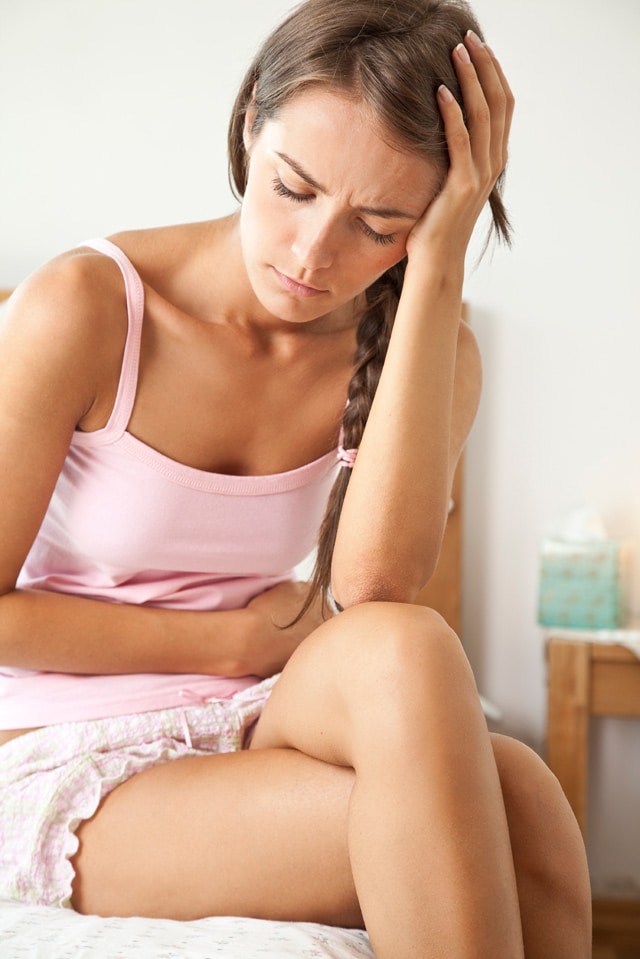
Showing posts with label womens' health. Show all posts

Tuesday, October 13, 2015

Acupuncture treats many maladies, and that's the point: Words on Wellness

Dr. Daniel Neides, Cleveland Clinic 

LYNDHURST, Ohio--One patient encounter this year allowed me to really understand the inherent value in Eastern medicine practices – specifically acupuncture.

As I have mentioned before in this column, I attended medical school at THE Ohio State University, steeped in a Western medicine practice known as allopathic medicine. Any exposure to Eastern practices that would complement my training was limited. Which brings me back to my original point (pun intended – remember acupuncture).

The patient was a 36-year-old woman who I have cared for over the last several years. We had discussed concerns about infertility after she had previously met with her OBGYN. They had discussed hormonal therapy to try and induce ovulation but she did not want to put any type of medication into her body. She wanted to know if there were alternative or integrative approaches to hormones to assist with her desire to get pregnant.

Having looked at several studies on acupuncture and infertility, I offered the patient an opportunity to work with one of our acupuncturists. After several months of treatment, she stopped me in the hallway and almost jumped into my arms. She was pregnant and was so thankful that I had respected her concerns about hormonal therapy and that I found an integrative approach that worked for her. 

For more than 3,500 years, acupuncture has been providing relief to people around the world. Originally developed and practiced in China, this soothing therapy is today embraced by all patients who seek to alleviate symptoms caused by ailments that range from arthritis to migraines to the aftereffects of chemotherapy. It has even been proven effective in helping people stop smoking.

Acupuncture draws on the belief that an energy called Qi (pronounced "chee") circulates throughout our body, from the top of our head to the soles of our feet. When we experience good health, this energy flows unobstructed along pathways in the body called meridians. Each meridian is believed to be connected to a specific organ system, and when an energy flow is disrupted by a disease or an injury, illness or pain occurs. Acupuncture is then used to balance the flow of Qi and stimulate our body's natural ability to heal.

Acupuncture treatments involve placing hair-thin needles of varying lengths into certain areas of the skin. The number of slender needles – as few as three, as many as 20 – and the length of time they are kept in place depends on the ailment being treated. During the treatment, the needles may be twirled, warmed or electrically energized to intensify healing effects. Sessions with the acupuncturist take up to 60 minutes. Patients lie on a padded table, and soothing music, which allows for deep relaxation, plays in the background. Some patients may feel an electrical sensation during a treatment, which is good – that means healing energy is moving through the body.

How does acupuncture work to provide relief for so many painful conditions, you ask? Most acupuncture points are near nerves. When stimulated, the point sends a message along the nerve to the brain and spinal cord. This causes the release of serotonin, dopamine and endorphins – chemicals our own body produces that alter or eliminate the message of pain being delivered to the brain. The release of these "feel-good" mood-regulating chemicals makes people feel better physically and emotionally. And when someone's emotional outlook improves, their quality of life improves. Clinical studies have shown that acupuncture bolsters the body's nervous and endocrine (glandular) systems, and has an anti-inflammatory effect. And for my faithful readers, you know how much I preach about lowering inflammation to reverse disease. Acupuncture decreases the inflammation associated with different diseases and relieves muscle spasms and strain.

The World Health Organization endorses acupuncture, and clinical studies have shown it to be a beneficial treatment for many conditions, including chronic pain - migraines, neck and back pain, tendonitis, sciatica, carpal tunnel syndrome, fibromyalgia and rheumatoid arthritis. Digestive disorders like irritable bowel syndrome, colitis, gastritis and constipation can be alleviated with acupuncture.

This practice has become a popular alternative for women's health issues like menstrual cramps, irregular or heavy periods, infertility and menopausal symptoms.

I have referred patients with emotional disorders like depression, anxiety, stress and insomnia for acupuncture – and have seen great success. Many of my oncology colleagues will refer patients for acupuncture to assist in reducing adverse reactions to chemotherapy, including fatigue, generalized pain, dry mouth, peripheral neuropathy, nausea and vomiting.

Acupuncture can also be a helpful tool in treating addictions to nicotine, alcohol, drugs, and food. When coupled with diet and exercise, acupuncture can be very helpful in decreasing one's appetite, allowing for intended weight loss.

I think it is important to remind ourselves that acupuncture is not intended to replace Western medicine practices. My practice is a "bridge" between the best of Western and Eastern practices. Acupuncture and traditional medicine complement one another. In many instances, patients appreciate that integrative medicine like acupuncture can work as an adjunct to a traditional treatment plan. Going back to my original example, my patient who used acupuncture to conceive will now see my colleague trained in allopathic medicine for her prenatal care and eventually delivery. For me professionally, this is a beautiful complement between two very different practices of medicine.

I am so blessed to have learned from and have access to some of the most talented integrative medical professionals in the United States. If you or a loved one suffers from any of the conditions listed above, consider a consult with me

Monday, February 3, 2014

Research: Acupuncture & Herbs Relieve PMS

A meta-analysis of 8 acupuncture studies and 11 herbal medicine studies revealed a success rate of 50% or greater for the reduction of premenstrual syndrome (PMS) and premenstrual dysphoric disorder (PMDD). No incidence of major adverse events occurred. As a result, the researchers concluded that the acupuncture and herbal medicines investigated in the study are both safe and effective.
PMS occurs during the late luteal phase of the menstrual cycle. The research notes that up to “25% of menstruating women report moderate-to-severe premenstrual symptoms. Approximately 5% report severe symptoms.” Acupuncture demonstrated the ability to reduce symptoms by 77.8% within 2-4 treatments. The treatment protocol yielding these results employed the use of acupuncture points DU20, LI4, HT3, CV3, CV4, CV6, PC6, GB34, UB23 and ear Shenmen. In addition, these results were significantly superior to the sham acupuncture controls.
Hand acupuncture was found more effective than traditional acupuncture for the treatment of hot flashes. Hand moxibustion demonstrated very high improvement rates for the treatment of anxiety, mood swings, swelling and depression. Notably, there were no differences in treatment outcomes between acupuncture treatments given during the luteal and follicular phases. The researchers concluded that these findings demonstrate that acupuncture treatments “need not be limited only to the luteal phase.”
As with acupuncture, no serious adverse events were reported with the herbal medicines investigated in the study. The herbal medicines were effective in the relief of PMS and included the herbal formulas Dan Zhi Xiao Yao San and Xiao Yao San. Groups treated with either hand acupuncture, Vitex Agnus castus or Xiao Yao San demonstrated over a 70% improvement in the reduction of PMS symptoms. The findings of this recent study are confirmed in another study entitled the Therapeutic effect of Vitex agnus castus in patients with premenstrual syndrome. That study concludes, “Vitex agnus can be considered as an effective and well tolerated treatment for the relief of symptoms of mild and moderate PMS.” The same findings were concluded in the study Treatment of Premenstrual Syndrome with a Phytopharmaceutical Formulation Containing Vitex agnus castus.
Getting back to this most recent study, Xiao Yao San decoction demonstrated an overall reduction in fatigue by 68.9% and a 74.8% improvement rate for the reduction of insomnia. Vitex Agnus castus showed greater than a 50% improvement rate for the relief of back pain. Xiao Yao San scored the highest for the relief of anxiety, irritability, mood swings and depression. The researchers note that, “For increased anger during the luteal phase, Vitex Agnus castus and Elsholtzia splendens treatment resulted in more than a 50% improvement.” Both acupuncture and herbal medicines demonstrated significant improvements over placebo controls with the exception of Cirsium japonicum.
The researchers note that these findings suggest that a large-scale, multicenter study is warranted given the findings. They called for comparisons between treatment frequencies, dosages and treatment durations for each PMS/PMDD symptom. They note that further study will provide acupuncture continuing education and will give guidance to clinical protocols. The also note that, “Our findings were consistent with those of comparable reviews of acupuncture and herbal interventions for treating PMS/PMD.”
The researchers provided background into the use of complementary, traditional and alternative medicines for the treatment of PMS. A US telephone survey documented that 80% of women “preferred non-pharmacological interventions” including vitamins, supplements and other types of treatment modalities. Pharmacological approaches include the use of antidepressants, diuretics, psychotropics, progesterone, GnRh agonists, estrogen, oral contraceptives, “pyridoxine, ethinyl estradiol and drospirenone, and synthetic androgen and gonadotropin inhibitors.” Researchers discovered that the majority of women preferred “dietary changes, exercise, cognitive behavioral therapy, and complementary and alternative medicine” and other non-pharmacologic approaches.
In related research, investigators find that acupuncture combined with moxibustion and cupping is effective for the treatment of menstrual pain. The study consisted of sixty-six patients with dysmenorrhea, menstrual pain. The pain was significantly relieved or eliminated in all sixty-six patients with a combination of acupuncture, cupping and moxibustion within 2-6 treatments.
If you or someone you love suffers from PMS or PMDD, please call our clinic to schedule a session with Rachel. See for yourself how acupuncture provides lasting relief!
Copyright © 2010
319-331-9312 | info@healthonpoint.com