|
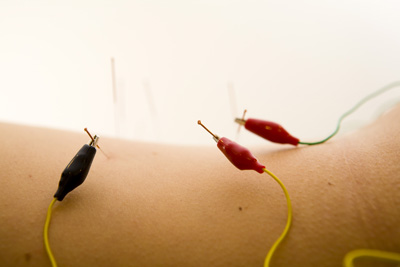
Acupuncture relieves neck pain and numbness and reduces levels of proinflammatory blood cytokines. Researchers conclude that warm needle acupuncture has a 92.05% total effective rate for the treatment of pain, numbness, and radiating discomfort due to cervical spondylosis with radiculopathy. This is a condition wherein there is spinal and soft tissue degeneration in the neck causing nerve impingement with subsequent pain or numbness. Acupoints for cervical radiculopathy. The symptoms often radiate from the neck to the shoulders, chest, back, and limbs. In addition, acupuncture successfully reduces blood levels of tumor necrosis factor-a (TNF-a) and the proinflammatory cytokines interleukin-1 beta (IL1β) and interleukin 6 (IL6).
A total of 169 patients participated in the hospital study. Most of the patients experienced pain upon stretching and all patients had a limited range of motion of the neck. Patients demonstrated significant reductions in neck, shoulder, and limb pain as a result of acupuncture treatments. Acupuncture also significantly relieved numbness in these areas.
Two groups were compared. One group received conventional acupuncture and the other group received warm needle acupuncture. The warm needle acupuncture group received a combination of moxibustion with acupuncture and had a 92.05% total effective rate. The conventional acupuncture group had an 81.48% total effective rate.
One course of care comprised one treatment per day for six days. All patients received two courses of care. Both groups demonstrated a high effective rate with significant reductions in pain and numbness. In addition, both groups demonstrated significant improvements in range of motion. Needling of the neck.
A related study finds acupuncture more effective than Meloxicam, a nonsteroidal antiinflammatory drug, for the treatment of neck disc herniations. A total of 420 patients were investigated in a randomized controlled study.
Of the 207 electroacupuncture patients, 145 patients recovered in the short-term. Of the 208 drug patients, 93 recovered in the short-term. Improvements also occurred in an additional 53 acupuncture patients and 90 medication patients. The electroacupuncture group had 9 poor responses and the drug group had 25 poor responses to treatment in the short-term.
Poor results for electroacupuncture were limited to 2 patients and 14 medication patients had poor results in the long-term. The researchers note, “With a randomized controlled multi-centered large-sampled method, this study has shown that the EA (electroacupuncture) group was better than the medication group in comparing both short-term and long-term therapeutic efficacies.”
If you or someone you know suffers from neck pain or numbness, please contact us!
Below is a continuation from our last blog post "Your Pain is in Your Head".
In addition to the use of acupuncture needles and herbs to address deficient Blood, an acupuncturist treating chronic-pain symptoms may suggest some simple self-care techniques.
Mindfulness, for example, teaches people to be inquisitive rather than judgmental about their ailments. It teaches us to approach our issues with an open mind and to let go of expectations. Cultivating greater self-awareness helps to bring balance to the body and mind. It also makes it easier to determine when medical intervention is necessary or when it may be okay to wait for the discomfort to pass.
Chronic pain sufferers often feel as though they are constantly in pain. But by using mindfulness to bring increased awareness to their symptoms, many realize that their pain actually has ups and downs, and sometimes disappears completely.
Mindfulness is just one self-care technique that can be helpful in addressing the physical and emotional components of chronic pain. Your acupuncturist may also recommend pressure points that you can massage on yourself, self-administered moxibustion, movement therapies such as qigong, and changes to your diet. Ask your practitioner about steps you can take at home to support your acupuncture treatments.
If you suffer from chronic pain, pain medications may not be the only answer. Whether it’s an acupuncturist, naturopath, or Western medical doctor, find a clinician who is open minded and understands the importance of treating your body and mind as one. It may be just the change you’ve been hoping for.
Chronic pain is a growing and complicated issue. Millions of people feel stuck with their pain, suffering day in and day out with no resolution in sight. For many, acupuncture can shed light at the end of this very dark tunnel.
We know that the nature of chronic pain can vary widely, from musculoskeletal and neurogenic to gastrointestinal, urogenital, and gynecological. However, less attention gets paid to the emotional component of chronic pain, which can be caused and exacerbated by negative emotions such as anger, frustration, and anxiety.
Pain conditions that are emotionally charged—which, ultimately, describes all cases of pain, since being in pain produces negative thought patterns—often are unabated by the pain killers and anti-inflammatory medications that are so commonly prescribed.
Treating chronic pain effectively requires approaching it holistically. This is where acupuncture excels.
Acupuncture Approach to Chronic Pain
In Chinese medicine, there is no separation between mind and body. The two are inexorably linked, constantly influencing and regulating each other.
This philosophy runs counter to the way chronic pain is typically tackled by mainstream medicine, which tends to approach the problem strictly through a biological lens. Biologically, chronic pain is fairly straightforward. Misbehaving nerve impulses fire consistently, alerting the brain to the presence of inflammation or tissue damage.
When we look at chronic pain holistically, there’s more than nerve impulses to consider.
Our thoughts have a profound effect on how our bodies function. Negative thoughts and emotions increase stress hormones such as cortisol and norepinephrine, which overtime can lead to systemic inflammation and a deterioration of overall health.
Emotions, like physical activity, require the expenditure of energy—energy that could otherwise be directed toward helping to heal the body. This is why you can have days when you barely exert yourself physically yet feel exhausted by the end.
Our emotions can wear us out. Many people are overwhelmed with stress, anxiety, and other types of emotional turbulence yet remain unaware that it’s contributing to their physical health problems.
Acupuncture refuses to let emotional turbulence fly under the radar.
In acupuncture theory, the Heart is at the center of all human life and plays a role in all emotions. Appropriately, another term for the Heart in Chinese medicine is Emperor. If the Emperor falls ill, he loses his ability to maintain order in his empire.
When we apply that metaphor to human health, it goes something like this: The Heart, ruler of the emotions, must be healthy for the rest of the body to follow suit. In other words, it is impossible to effectively treat chronic pain (or any other chronic condition) without addressing a person’s state of mind.
So, how do acupuncture and Chinese medicine address our states of mind?
One way is by choosing acupuncture points and prescribing herbal formulas that boost or tonify Blood. In acupuncture, negative emotions, particularly when chronic, create internal heat, which eventually consumes and depletes the nutritive Blood of the body.
Blood in acupuncture is more than just the red liquid that flows through our veins and arteries. Blood is viewed as a substance of nutrition and healing, the conduit through which our emotions flow.
When negative emotions become consuming, as is often the case in people who live with chronic pain, it can lead to signs of what acupuncturists call Blood deficiency. Symptoms may include dizziness, heart palpitations, insomnia, fatigue, poor memory, pale skin and tongue, weak pulse, and scanty or light menstrual periods.
Read "Self-Care Techniques for Chronic Pain" in our next post!
- Written by Adam Cantor
A new study concludes that acupuncture combined with herbal medicine is more effective than drugs for the treatment of headaches. This confirms similar results found in a prior study wherein acupuncture was found comparable to drugs for the treatment of migraine headaches. The new study finds acupuncture combined with herbal medicine is effective for the treatment of vascular headaches whereas the prior study found acupuncture, as a standalone procedure, effective for the treatment of migraines. The results agree that acupuncture and/or acupuncture combined with herbs produce positive patient outcomes for headaches.
 The prior study concluded that acupuncture is “of comparable efficiency to several proven drug therapies for the treatment and prevention of migraine(s).” The meta-analysis examined 25 randomized controlled trials involving a sample size of 3,004 patients. True acupuncture significantly outperformed simulated sham-acupuncture. In addition, true acupuncture was comparable to drug therapy for the treatment and prevention of migraines.
Acupuncture combined with Chinese herbal medicine is more effective than nimodipine for relieving vascular headaches. These headaches include cluster headaches, migraines and toxic headaches. Migraines involve unilateral or bilateral head pain and may combine with nausea, vomiting, sensitivity to light and sound, and visual auras. Toxic headaches occur during fevers. Cluster headaches are focal and recur in severe episodes.
The researchers conducted a randomized acupuncture continuing education investigation of 92 patients with vascular headaches at the College of Traditional Chinese Medicine (TCM) in Chongqing Medical University (Sichuan). Group #1 received oral administration of nimodipine at 40 mg per dose, three times per day. Group #2 received acupuncture and a Chinese herbal formula. A course of treatment for both groups consisted of two weeks and the entire treatment lasted for two courses.
After two courses of treatment, both groups achieved varied degrees of curative effects in terms of reducing headache attacks, duration of each attack and the intensity degree of headaches. The acupuncture group outperformed the drug group in all of the aforementioned indices. As a result, the researchers conclude that acupuncture combined with Huo Xue Qu Feng Tong Luo Tang is superior to nimodipine for the treatment of vascular headaches.
Debilitating foot or heal pain limits many of us - regardless of age or activity level. One thing is for certain, while there are numerous regimens for this (read more below), our experience at Health On Point demonstrates that acupuncture is an incredibly successful option for treatment. With the warming weather, many of us are increasing our activity. Should you or someone you know suffer from food or heal pain, please call our clinic to schedule an appointment!
Recent research indicates acupuncture is an effective and safe treatment for heel pain. Heel pain is a common foot condition often characterized by intense pain, especially when placing weight onto the foot. Pain on the back of the heel often indicates achilles tendinitis and pain on the underside of the heel often indicates plantar fasciitis.
One of the most common causes of heel pain, plantar fasciitis involves pain and inflammation of the band of tissue running across the bottom of the foot. New research indicates that acupuncture is effective for plantar fasciitis, achilles tendinitis and many other forms of heel pain.
Biomedical approaches to heel pain treatment include behavioral therapy, nonsteroidal anti-inflammatory drugs (NSAIDs), corticosteroid injections, small needle knife therapy, block therapy, shockwave therapy and surgery. Traditional Chinese Medicine (TCM) historical records document success in the treatment of heel pain using acupuncture. This new scientific investigation confirms the historical data.
The researchers from Guangzhou Dongsheng Hospital and Guangzhou Social Welfare House examined 19 separate clinical investigations and discovered that 16 of the 19 studies made extensive use of ahshi ("trigger point") acupuncture points to achieve optimal patient outcomes. In one investigation carried out by Xu Xuemeng et al., 66 patients were randomly divided into an acupuncture group and a control group. The acupuncture group received filiform acupuncture needle method treatment and the control group received injections and local blocking therapy. The results were assessed six months following the treatment. The acupuncture group achieved an effective rate of 97% and the drug therapy group had only a 76% effective rate.
Based on the 19 reviewed studies that were performed in the past five years, the researchers conclude that acupuncture is safer, easier to apply, and more effective than conventional treatments for heel pain.
Acupuncture integrates into hospital emergency room care and helps relieve pain and nausea.
A new study conducted at the Northern Hospital in Melbourne, Australia demonstrates that acupuncture is safe and effective for the treatment of pain and nausea in the emergency room setting. The research reveals that adding acupuncture to conventional biomedical care results in better patient medical outcomes.
The study was conducted between January and August of 2010. A total of 200 patients presenting to emergency room triage with pain and/or nausea were treated with both acupuncture and biomedical care. This integrative medicine group was compared with another group receiving only biomedical ‘western medicine’ care. The acupuncture group responded with an 84.8% response rate that they would consider repeating acupuncture care. Of that 84.8%, a total of 53.5% noted “definitely yes” to repeating acupuncture care in the emergency room setting.
The most common conditions treated with acupuncture were musculoskeletal concerns. Abdominal and flank pain were the second most common condition. Reviewing all conditions, the integrative medicine acupuncture group demonstrated significant gains over the biomedicine group in significant decreases in both pain and nausea.
The researchers conclude that acupuncture is both safe and effective. They also note that acupuncture is “acceptable” to patients in the emergency room setting. As a result, the researchers have called for a study to understand the cost-effectiveness of implementing acupuncture into the emergency medicine department.
Related research finds acupuncture cost-effective for the treatment of pain.
Researchers from the University of York, UK, investigated the economic value of acupuncture for the treatment of lower back pain, neck pain, dysmenorrhea, migraines, arthritis and headaches. The researchers documented correlations between the clinical benefits of acupuncture and medical cost savings. The researchers concluded, “Acupuncture appears to be a cost-effective intervention for some chronic pain conditions.”
Acupuncture effectively reduces pain according to research published in The Journal of the American Medical Association (JAMA).
Acupuncture groups had significantly greater reductions of pain than both non-treatment control groups and sham (imitation/placebo) control acupuncture groups in multiple high quality studies. Specifically, acupuncture was found effective for reducing pain associated with osteoarthritis, chronic headache, shoulder pain, nonspecific musculoskeletal pain, neck pain and back pain.
Researchers from Memorial Sloan-Kettering Cancer Center, New York and Technical University, Munich underscored the importance of this latest research. They note that prior meta-analyses and systematic reviews of acupuncture for the treatment of pain included research of “variable quality.” In this new study, the scope was “restricted to high-quality trials.”
The researchers started with 31 eligible studies with a total of 19,827 patients. Studies were accepted only from the United States of America, United Kingdom, Germany, Spain and Sweden. Only studies with controls were included. Controls included no-acupuncture and sham/placebo acupuncture. All studies were conducted between 1996 and 2008. The researchers refined the studies down to 29 from the original 31 to preserve the highest quality evidence profile.
The clinical results demonstrated acupuncture to provide a “good response” to pain reduction in 50% of all cases. Sham/placebo acupuncture groups demonstrated the ability to reduce pain in 42.5% of cases and no-acupuncture controls demonstrated pain reduction in 30% of all cases. Some concern was expressed by the researchers that the sham/placebo acupuncture groups received active true acupuncture because some of the sham/placebo techniques “involved skin penetration.” They note that the sham/placebo acupuncture may not be “physiologically inactive.” As a result, some of the successes with sham/placebo acupuncture may reflect true acupuncture results. The researchers note “trials that include sham acupuncture as a comparison may underestimate the effects of acupuncture on pain reduction.” Another consideration is that these controlled studies involve blinding and standardization. As a result, the benefits of acupuncture may be underestimated because a true clinical setting involves customization of acupuncture procedures according to an individual patient’s differential diagnosis.
The researchers note that many established guidelines recommend acupuncture. They cite, for example, that the American College of Physicians’ guidelines recommend acupuncture for the treatment of back pain. Also, the UK National Institute for Health and Care Excellence (NICE) guidelines officially recommend acupuncture treatments for both chronic headaches and migraines when unresponsive to pharmaceutical medications.
This level of meticulous review establishes acupuncture as a standard and effective tool for the treatment of pain. This research has been published just after a recent discovery by investigators at Rutgers University Medical School, New Jersey that acupuncture reduces inflammation. The surgery department researchers proved that electroacupuncture fights infections including polymicrobial peritonitis and reduces severe systemic inflammation due to infections, sepsis. The researchers documented that the anti-inflammatory effects of electroacupuncture “are voltage dependent.” Non-acupuncture points (sham points) did not exert anti-inflammatory responses and “electroacupuncture with a wooden toothpick” did not reduce inflammation. Only true acupuncture was effective in regulating both dopamine and cytokine levels and produced anti-inflammatory effects that prevented death.
The researchers note that the anti-inflammatory mechanism of electroacupuncture is “mediated by the sciatic and vagus nerves that modulates the production of catecholamines in the adrenal glands.” The researchers documented that electroacupuncture reduced lipopolysaccharide-induced serum levels of cytokines, reduced inflammation and prevented death due to sepsis.
There is a powerful take away from the latest research. Not only is acupuncture effective but it is irresponsible and uninformed to dismiss it. The data is in and acupuncture is a valuable treatment modality. There is a great need in modern clinical settings to provide enhanced relief from pain to alleviate suffering. Moreover, acupuncture’s anti-inflammatory actions demonstrate that it saves lives by preventing sepsis. If you are curious about acupuncture and would love to experience the benefits for treatment firsthand, call Health On Point to schedule a consultation today.
Acupuncture is found more effective than drug therapy for the treatment of neck disc herniations. We encourage you to review the study highlighted below. Whether you are an acupuncture 'pro' or are curious about finding long term pain relief, call our clinic for a phone consult and to schedule a session today!
This disorder is characterized by neck pain, numbness and/or weakness that often radiates towards the hands. Researchers compared electroacupuncture with the medication Meloxicam and discovered that electroacupuncture is more effective in both the short and long-term for the treatment of cervical intervertebral disc herniations.
A total of 420 patients were investigated in this randomized controlled study. An electroacupuncture group was compared with a Meloxicam group. Meloxicam is a nonsteroidal anti-inflammatory drug (NSAID) with analgesic and anti-febrile effects.
Acupuncture was applied to acupoints GV14 (DU14, Dazhui), UB11 (BL11, Dazhu) and SI3 (Houxi). All participants were screened with strict inclusion and exclusion criteria based on objective testing including standard X-ray findings and CT (computed tomography) scans.
GV14 was needled upwards and obliquely between 0.5 to 0.7 cun. A cun is an anatomical measurement that is approximately 1 inch. SI3 was needled perpendicularly towards LI4 (Hegu) between 0.5 to 0.7 cun. Upon the arrival of de Qi needling sensation, a manual acupuncture technique of lifting and thrusting was applied with mild intensity for one minute for each of these acupuncture points. De qi is a combination of bodily sensations induced by acupuncture needling techniques combined with physiological responses to the stimulation. De qi sensation is often described as dull, heavy, deep pressure, pulling, numb, aching, spreading, radiating, electrical, refreshing, relieving and tingling. The requirements for the de Qi sensation at SI3 were that of extending to the entire hand.
GV14 and UB11 were connected by electroacupuncture stimulation with a continuous wave at 40 Hz with an intensity of 2 mA for approximately 20 minutes. Acupuncture treatments were administered once per day. A total of 10 acupuncture treatments consisted of one treatment course. A day off was taken following the first course. This was followed by another treatment course of identical procedures and quantity. The Meloxicam medication group received a 7.5 mg/tablet at a rate of once per day. The oral tablet was taken after dinner for a total of 20 days.
Of the 207 electroacupuncture patients, a total of 145 patients recovered in the short-term. Of the 208 medication patients, 93 recovered in the short-term. Improvements also occurred in an additional 53 acupuncture patients and 90 medication patients. A poor response was indicated by no improvement of symptoms and the decrease rate of symptoms and signs was less than or equal to 30%. The electroacupuncture group had 9 poor responses and the medication group had 25 poor responses to treatment.

Long-term results were significantly better for the electroacupuncture group than the medication group. Of the 207 electroacupuncture patients, a total of 180 patients showed recovery in the long-term. Of the 208 medication patients, 142 patients had a long-term recovery. Electroacupuncture caused 25 patients to improve significantly. The medication caused 52 medication patients to improve significantly. Poor results for electroacupuncture were limited to 2 patients and 14 medication patients had poor results. The researchers note, “With a randomized controlled multi-centered large-sampled method, this study has shown that the EA (electroacupuncture) group was better than the medication group in comparing both short-term and long-term therapeutic efficacies.”
Recovery was defined as a patient who is asymptomatic, has regained normal muscle strength and cervical & limb functions, is able to return to work and has a decrease in the rate of both symptoms and signs greater than or equal to 95%. Objective improvements were measured with tests including tendon reflexes, brachial plexus traction tests and spurling tests. Cervical motion was rated for improvements in lateral flexion, forward flexion, backward bending and side turning. Subjective measurements were applied to pain, tenderness and numbness scores. These measurements demonstrated that electroacupuncture proved significantly more effective in the short and long-term than the medication.
Short-Term Results
Of the 207 electroacupuncture patients, a total of 145 patients recovered in the short-term. Of the 208 medication patients, 93 recovered in the short-term. Improvements also occurred in an additional 53 acupuncture patients and 90 medication patients. A poor response was indicated by no improvement of symptoms and the decrease rate of symptoms and signs was less than or equal to 30%. The electroacupuncture group had 9 poor responses and the medication group had 25 poor responses to treatment.
Long-Term Results
Long-term results were significantly better for the electroacupuncture group than the medication group. Of the 207 electroacupuncture patients, a total of 180 patients showed recovery in the long-term. Of the 208 medication patients, 142 patients had a long-term recovery. Electroacupuncture caused 25 patients to improve significantly. The medication caused 52 medication patients to improve significantly. Poor results for electroacupuncture were limited to 2 patients and 14 medication patients had poor results. The researchers note, “With a randomized controlled multi-centered large-sampled method, this study has shown that the EA (electroacupuncture) group was better than the medication group in comparing both short-term and long-term therapeutic efficacies.”
A meta-analysis of 8 acupuncture studies and 11 herbal medicine studies revealed a success rate of 50% or greater for the reduction of premenstrual syndrome (PMS) and premenstrual dysphoric disorder (PMDD). No incidence of major adverse events occurred. As a result, the researchers concluded that the acupuncture and herbal medicines investigated in the study are both safe and effective.
PMS occurs during the late luteal phase of the menstrual cycle. The research notes that up to “25% of menstruating women report moderate-to-severe premenstrual symptoms. Approximately 5% report severe symptoms.” Acupuncture demonstrated the ability to reduce symptoms by 77.8% within 2-4 treatments. The treatment protocol yielding these results employed the use of acupuncture points DU20, LI4, HT3, CV3, CV4, CV6, PC6, GB34, UB23 and ear Shenmen. In addition, these results were significantly superior to the sham acupuncture controls.
Hand acupuncture was found more effective than traditional acupuncture for the treatment of hot flashes. Hand moxibustion demonstrated very high improvement rates for the treatment of anxiety, mood swings, swelling and depression. Notably, there were no differences in treatment outcomes between acupuncture treatments given during the luteal and follicular phases. The researchers concluded that these findings demonstrate that acupuncture treatments “need not be limited only to the luteal phase.”
As with acupuncture, no serious adverse events were reported with the herbal medicines investigated in the study. The herbal medicines were effective in the relief of PMS and included the herbal formulas Dan Zhi Xiao Yao San and Xiao Yao San. Groups treated with either hand acupuncture, Vitex Agnus castus or Xiao Yao San demonstrated over a 70% improvement in the reduction of PMS symptoms. The findings of this recent study are confirmed in another study entitled the Therapeutic effect of Vitex agnus castus in patients with premenstrual syndrome. That study concludes, “Vitex agnus can be considered as an effective and well tolerated treatment for the relief of symptoms of mild and moderate PMS.” The same findings were concluded in the study Treatment of Premenstrual Syndrome with a Phytopharmaceutical Formulation Containing Vitex agnus castus.
Getting back to this most recent study, Xiao Yao San decoction demonstrated an overall reduction in fatigue by 68.9% and a 74.8% improvement rate for the reduction of insomnia. Vitex Agnus castus showed greater than a 50% improvement rate for the relief of back pain. Xiao Yao San scored the highest for the relief of anxiety, irritability, mood swings and depression. The researchers note that, “For increased anger during the luteal phase, Vitex Agnus castus and Elsholtzia splendens treatment resulted in more than a 50% improvement.” Both acupuncture and herbal medicines demonstrated significant improvements over placebo controls with the exception of Cirsium japonicum.
The researchers note that these findings suggest that a large-scale, multicenter study is warranted given the findings. They called for comparisons between treatment frequencies, dosages and treatment durations for each PMS/PMDD symptom. They note that further study will provide acupuncture continuing education and will give guidance to clinical protocols. The also note that, “Our findings were consistent with those of comparable reviews of acupuncture and herbal interventions for treating PMS/PMD.”
The researchers provided background into the use of complementary, traditional and alternative medicines for the treatment of PMS. A US telephone survey documented that 80% of women “preferred non-pharmacological interventions” including vitamins, supplements and other types of treatment modalities. Pharmacological approaches include the use of antidepressants, diuretics, psychotropics, progesterone, GnRh agonists, estrogen, oral contraceptives, “pyridoxine, ethinyl estradiol and drospirenone, and synthetic androgen and gonadotropin inhibitors.” Researchers discovered that the majority of women preferred “dietary changes, exercise, cognitive behavioral therapy, and complementary and alternative medicine” and other non-pharmacologic approaches.
In related research, investigators find that acupuncture combined with moxibustion and cupping is effective for the treatment of menstrual pain. The study consisted of sixty-six patients with dysmenorrhea, menstrual pain. The pain was significantly relieved or eliminated in all sixty-six patients with a combination of acupuncture, cupping and moxibustion within 2-6 treatments.
 Hello! My name is Virginia Dreier and I am a licensed massage therapist at Health on Point. I graduated from East-West School of Integrated Healing Arts this past summer in North Liberty specializing in Swedish and blended Swedish-Shiatsu style massage. Although I grew up in Iowa City, I left for 6 years during which I attended Oberlin College and travelled as an outdoor educator. As a teacher I learned many lessons: about compassion, empathy, patience, and care. I still work as a teacher at Willowwind School in the Montessori preschool-continuing to learn these lessons.
I chose massage therapy because I wanted to live a life of balance and peace. I wanted to be healthy and less worried. I wanted to improve my quality of life. I feel very grateful to walk a new path as a healer. I offer to each client the same desires for optimal health and well-being.
Massage therapy, the practice of using touch to heal, is an ancient healing art and is found throughout the world in many different forms. Swedish massage refers to the use of oil or lotion on the skin to provide smooth strokes, compression, and percussion focused on muscle relaxation and circulation. Swedish massage is perhaps the most commonly known form of massage in the US because of its use at spas for gentle relaxation. Shiatsu originates from Japan and uses the meridian energy system (used in Traditional Chinese Medicine and acupuncture) to guide and focus treatments. It is performed using point pressure on certain parts of the body on top of the clothes and also involves passive stretches. Traditionally performed on the floor, I use a blended style that uses the massage table instead, appropriate Swedish strokes, and promotes balance of the energy meridians. It is a very relaxing experience.
Massage can strengthen your immune system, lower blood pressure, reduce headaches, and improve your mood. Massage is finally being studied, accepted and promoted by health officials and is now commonly used as complementary and alternative medicine. It is increasingly being offered along with treatment for a wide array of medical problems such as anxiety, insomnia related to stress, migraines, sports injuries and of course muscular ‘knots’.
Massage is not simply a source of relaxation it is a powerful tool for treating dis-ease and promoting a life of healing and health. My clients choose me because I have a deeply caring, intuitive touch and confident presence that builds trust; allowing them to relax and start healing themselves immediately. Please check out my Facebook page for more information about me and my practice, Renew Massage, or if you have any questions at all please email me. I am very grateful for and look forward to becoming a part of the Health on Point community and working towards healing for us all.
Humans have always sought relief when they are in pain, so it is no wonder that an ancient practice has come to the aid of people suffering from low back pain.
Acupuncture is a procedure that started in Chinese medicine and has been adapted and is widely accepted in Western medicine, particularly to promote good health or to relieve pain or create a numbing sensation in a particular area of the body. In its Eastern tradition, the practice regulates chi in the body (its life force, or flow of energy) by placing needles in meridians (the channels through which chi flows) near the surface of the skin.
"When you insert needles, you release natural opiates such as endorphins," said David Mortell, an acupuncturist. "And MRI studies indicate acupuncture raises the threshold for pain in the brain."
Acupuncture heightens the effectiveness of the areas of the brain responsible for regulating pain signals, doctors at the Chronic Pain and Fatigue Research Center at the University of Michigan found in a 2009 study.
In a clinical trial in South Korea in 2011, patients with severe back pain reported significantly more relief from acupuncture than did those in the control group, who were treated with the prescription nonsteroidal anti-inflammatory drug diclofenac. A metastudy of 13 trials in China indicated acupuncture "achieved better outcomes when compared with other treatments."
In a German study in 2007, low back pain sufferers who were treated with acupuncture reported more relief than those who were treated with drugs, physical therapy and exercise.
"Acupuncture represents a highly promising and effective treatment option for chronic back pain," concluded the researchers. "Patients experienced not only reduced pain intensity, but also reported improvements in the disability that often results from back pain."
It worked for Neal Griebling, 70, of Mount Washington. Mr. Griebling injured his back shoveling heavy snow in 1994, and has had low back pain off and on ever since. He sought treatment from a pain physician and from a chiropractor before trying acupuncture.
"On a scale of 10, the pain relief I get from a session with acupuncture is an 8, sometimes a 9," Mr. Griebling said. He gave the therapy he received from a chiropractor only a 4 on his pain relief scale. The injections he received from a physician didn't help at all. "They were a zero."
(original article printed in the Pittsburgh Post-Gazette)
The countdown is on for Migraine Awareness Week. My patients (and friends!) will concede that one of my favorite parts of my practice is providing acupuncture for migraine sufferers. The techniques available to individuals when they come to our clinic are unique in our community. Many find immediate and profound relief from acupuncture, for others it may take a few sessions. Regardless, however, I believe that resolution IS possible. Offering education and guidance for at home care is always part of the regimen. Below are some of the key points. Read on and let us know - what is your experience with migraines and acupuncture relief? Have you discovered any techniques you can use on yourself that provide immediate relief?
 |
| Try massage at the red points above! |
Pressure
Many people find that applying gentle pressure to the head, face, and neck during a migraine can help ease the pain. Techniques to try:
- Press the brow line and under the eyes.
- Rub the temples and jaw in a circular motion.
- Massage the base of the skull with a tennis ball.
Diet Changes
Some people find that certain foods trigger their migraines. Common trigger foods include alcohol, caffeine, chocolate, canned foods, cured or processed meats, aged cheeses, cultured dairy, MSG, and aspartame. Keeping track of what you eat with a food diary can help you identify what you ate before a migraine came on. Try eliminating these foods one at a time to see if it improves your migraines.
Good Habits Fight Migraines
Your lifestyle can have a big impact on how often you get migraines. These tips can help:
- Keep a migraine diary to track your triggers.
- Don't skip meals.
- Stay hydrated.
- Get regular exercise.
- Maintain a healthy weight.
Migraines affect up to 12% of the US population (36 million people). Around two thirds of sufferers are women. The first week of September is Migraine Awareness week. We at Health On Point would like to offer special sessions, additional education and support for those in the community who suffer with migraine headaches.
This week we will start with a personal story. Jane Elliott is a health reporter at BBC News. Below is an excerpt in which she discusses living with this condition and how acupuncture is offering a respite.
Even as a tiny baby, I am told, I used to hold my head, go pale, and vomit. As I grew older the migraines started to follow a more defined pattern.
It seemed that anything that I liked and enjoyed could prove a trigger: chocolate, too much orange juice, Coca cola, excitement over parties or school trips.
In the end my parents would not tell me about a planned treat until minutes before we left in the hope I would keep calm and avoid 'getting worked up'.
I can remember a sudden attack on the way home from school, aged about 10, left me in agony, being sick on the roadside and wondering how I was going to manage the short distance home.
Triggers
And as I got older, I quickly learnt that even a small glass of red wine always has disastrous results, although I can drink small amounts of white wine with no ill effect.
Exhaustion is another big trigger, and as a mother of two young children I have found the frequency of my attacks increasing over the last four years.
I know I can probably survive with one broken night's sleep, but any more than that will always mean a migraine.
In any given month I can have between one and six attacks, although during both pregnancies I was migraine free.
Some weeks are so bad that I get one horrendous attack and what I can only describe as aftershocks over the next few days.
Darkened room
In the worst attacks I am so debilitated that the pain, concentrated mainly on my left temple, seems unbearable and I have to retire to a darkened room.
First comes hours of excruciating pain and feelings of depressing nausea, then a welcome relief as I eventually vomit and as the pain recedes and I can fall into sleep.
My migraines last on average eight hours - some people suffer days of pain.
Over the years I have tried every sort of pain relief, from over-the-counter headache tablets - which only work sometimes in the very early stages - to targeted migraine drugs, which worked on many of the attacks but left me feeling nauseous.
This year, after my migraines reached an intolerable level and I found myself getting as many as three attacks a week, I decided to take immediate action.
My doctor recommended Imigran Recovery (sumatriptan), which has recently been made an over-the counter drug. He warned me that it didn't work for everyone - but it worked for me.
If I took the tablets everywhere with me and took them as soon as I started to feel the familiar warning signs they did not develop.
Not wanting to become reliant on too many drugs however, I decided to explore other ways of alleviating my migraine.
My mother recommended acupuncture, and I must admit that I was at first sceptical.
She had seen a TV programme which seemed to show a link between acupuncture and migraine relief, and she offered to pay for a course of treatments for me to see if it worked.
I didn't hold out much hope of it working, but was prepared to give it a go.
Diet changes
As well as the acupuncture, I was told to make some changes to my diet - only two cups of tea a day and no diet Coke (I normally have at least six teas daily and about one or two diet cokes a week).
Christina, my acupuncturist, warned that I was using the caffeine to boost my energy levels and advised more water instead. Cutting out the caffeine from my diet was extremely hard and I had more than a few withdrawal symptoms, although in the long-term a relatively caffeine free diet is no bad thing for my overall health.
Sessions took an hour and consisted of gentle head massage as well as the strategically placed acupuncture needles.
The first week I had two attacks, the next week I had one and I was beginning to worry that I might be one of those for whom acupuncture did not work.
But at the start of week three I had a revelation - no migraines.
I went for treatment once a week for about two months and was completely migraine free. Apart from pregnancy this was a first.
Over three months later I have had one bad migraine (last week) which I put down to an enforced break of six weeks, while the acupuncturist and I both had three week holidays.
But I am amazed it has worked. I have read reports which say acupuncture and sham acupuncture both work, although other reports have disputed that. To be honest I don't care whether it is real, or as some say an effect 'in my mind'. I can't explain why it worked for me. All I can say is that it has worked for me and I intend to keep going.
Below is the summary of an article recently published in the Journal of Acupuncture and Meridian Studies last month. Many patients wonder how it is that acupuncture benefits those with complicated pain syndromes including fibromyalgia. One explanation that is supported by studies demonstrates that acupuncture may alter brain chemistry. It appears to do this by changing the release of neurotransmitters. These neurotransmitters stimulate or inhibit nerve impulses in the brain that relay information showed decrease pain and increased quality of life for fibromyalgia patients who had acupuncture therapy. If you or someone you love is affected by fibromyalgia, call us today to schedule a consultation and appointment.
Background: Affecting more women than men, fibromyalgia syndrome (FMS) is a rheumatic disorder characterized by chronic, diffuse and widespread musculoskeletal pain, and its pathogenesis is still unknown. Among the recommended treatments, acupuncture (for its analgesic effects) is an effective option for reducing the pain sensitivity and improving quality of life. Therefore, this study aimed to investigate whether acupuncture at tender points could effectively manage FMS.
Methods: Eight female patients, with a previous diagnosis of fibromyalgia, underwent an initial assessment involving pressure algometer measurements for pain tolerance and questionnaires [Fibromyalgia Impact Questionnaire (FIQ), Heath Assessment Questionnaire (HAQ), Beck Depression Inventory (BDI), and Beck Anxiety Inventory (BAI)], followed by treatment.
Over a 2-month period, acupuncture was performed once per week at five tender points, located bilaterally at the occipital bone, trapezius, rhomboid, upper chest and lateral epicondyle. At the end of treatment, the participants underwent a reassessment for a final review of the applied methods.
Results: We observed a reduction in the pain threshold and sensitivity and improvement in the areas of anxiety and depression and quality of life, which were demonstrated using the FIQ, BDI and BAI but not the HAQ.
Conclusion: The results demonstrated the effectiveness of tender-point acupuncture treatment on the patients' overall well-being, not only by improving quality of life, but also by reducing the pain sensitivity of FMS.
Source: Journal of Acupuncture and Meridian Studies, June 2013. By Jessica Lucia Neves Bastos, Elisa Dória Pires, Marcelo Lourenço Silva, Fernanda Lopes Buiatti de Araújo and Josie Resende Torres Silva. Acupuncture Specialization Course, Instituto Paulista de Estudos Sistêmicos (IPES), Ribeirão Preto, SP, Brazil.
A new study published in Rheumatology International suggests that "dry needling" (another name for acupuncture) is an effective treatment for fibromyalgia.
Researchers gave 60 people with fibromyalgia weekly dry-needling sessions for six weeks. At the end of the study period, the treatment group showed significant improvement when compared to the control group. The symptoms that improved included:
• Pain
• Fatigue
• Pressure pain threshold
At a check up six weeks after the treatment period ended, the dry-needling group still showed significant improvement.
Patients at Health On Point have huge successes with acupuncture, both for fibromyalgia and myofascial pain syndrome. It reduces overall pain, anxiety, fatigue, and "fibro fog" - all of which made individuals much more functional.
Have you had acupuncture? How did it work for you? Is it something you've considered? Leave us your comments!
Chronic pain in the muscles and joints can make life miserable. Standard treatments like ice and heat, anti-inflammatory medications, physical therapy, and appropriate exercises can often ease the pain. But when they don’t, acupuncture is an option with a good track record that’s worth considering.
Over the years there has been substantial debate about whether acupuncture really works for chronic pain. Research from an international team of experts adds to the evidence that it does provide real relief from common forms of pain. The team pooled the results of 29 studies involving nearly 18,000 participants. Some had acupuncture, some had “sham” acupuncture, and some didn’t have acupuncture at all. Overall, acupuncture relieved pain by about 50%. The results were published in Archives of Internal Medicine.
The study isn’t the last word on the issue, but it is one of the best quality studies to date and has made an impression.
“I think the benefit of acupuncture is clear, and the complications and potential adverse effects of acupuncture are low compared with medication,” says Dr. Lucy Chen, a board-certified anesthesiologist, specialist in pain medicine, and practicing acupuncturist at Harvard-affiliated Massachusetts General Hospital.
How does it work?
Acupuncturists insert hair-thin needles into the skin at specific points around the body. It is virtually painless when done by an experienced practitioner. Inserting the needles is thought to correct imbalances in the flow of energy in the body, called qi (pronounced “chee”). As I write in the April issue of the Harvard Men’s Health Watch, in Western scientific terms acupuncture is thought to ease pain by affecting neurotransmitters, hormone levels, or the immune system.
- How often is acupuncture needed? Plan on weekly treatments until you start to see a benefit, then gradually lengthen the time until the next visit.
- Who administers it? Ideally a trusted, certified provider. You can search for a trained acupuncturist at the National Certification Commission for Acupuncture and Oriental Medicine or by calling the organization at 904-598-1005.
Fibromyalgia (FM or FMS) is a medical disorder characterized by chronic widespread pain and a heightened and painful response to pressure. Other symptoms include debilitating fatigue, sleep disturbance, and joint stiffness. Fibromyalgia is estimated to affect 2–4% of the population, with a female to male incidence ratio of approximately 9:1. The term "fibromyalgia" derives from new Latin, fibro-, meaning "fibrous tissues", Greek myo-, "muscle", and Greek algos-, "pain"; thus the term literally means "muscle andconnective tissue pain".
Researchers estimate that the majority of fibromyalgia patients try alternative treatments to relieve their symptoms. The ancient Chinese practice of acupuncture is one that helps. A study published in the Mayo Clinic Proceedings shows acupuncture relieves fatigue and anxiety in fibromyalgia patients for up to seven months after the treatment. We find overall that acupuncture for FMS has a positive effect, and acupuncture combined with western medicine strengthens the curative effect.
Last year, an analysis in the journal Pediatrics concluded that acupuncture was safe for kids "when performed by appropriately trained practitioners," and officials at pediatric hospitals estimate that at least a third of U.S. pain centers for children offer acupuncture.
 |
Victoria Rust, 17, receives acupuncture treatment.
/ photo courtesy Washington Post |
When medicine caused stomach bleeding and had to be stopped, a doctor at Children's National Medical Center suggested acupuncture.
Rust and her mother agreed to let a physician place thin needles into her stomach and other spots; within minutes, the West Virginia high school student felt better.
"I was mellowed," she said. "The pain didn't come." Children and needles may seem an unusual pairing, but doctors say a growing number of families are choosing acupuncture.
Last year, an analysis in the journal Pediatrics concluded that acupuncture was safe for kids "when performed by appropriately trained practitioners."
Officials at pediatric hospitals estimate that at least a third of U.S. pain centers for children offer acupuncture. The federal government's National Health Interview Survey, which last asked about acupuncture in 2007, estimated that about 150,000 children were receiving needle treatment annually for conditions such as pain, migraine and anxiety.
"People will often bring it up before I bring it up," said Jennifer Anderson, an anesthesiologist at Children's who is also a licensed acupuncturist. Anderson and other doctors said acupuncture is a safe adjunct to traditional treatments. A 2008 review of studies published in the Journal of Pediatric Hematology/Oncology cited evidence that acupuncture is effective for preventing nausea after surgery in children and for alleviating pain.
Acupuncturists often develop ways to ease children's fears, including describing the needles as little hairs.
Angela Gabriel, an acupuncturist at the Center for Integrative Medicine at George Washington University Medical Center, said some children are fearful of needles, but "by 8, 9 or 10, a lot of kids think it's cool."
As one of only a handful of Board Certified Acupuncturists in Iowa City, Rachel has completed additional training with a focus in pediatrics. If you believe your child may benefit from acupuncture, contact Rachel today. We offer sessions before and after school hours, as well as special pricing for pediatric patients.
As many of our patients know, when acupuncture is researched in this country, some authors question the efficacy of this medicine (this is an entirely different conversation - about the appropriateness of 'sham' acupuncture and other methods that may be utilized at the control, but more on that at another time). These same patients will most likely tell you that in their experience, acupuncture DOES work, no question. Of course in order for our broader community to even be willing to try acupuncture, and for physicians to feel comfortable suggesting or supporting this approach, support through rigorous research is invaluable. Last week the NYTimes had a wonderful article about the benefits of acupuncture and pain relief. And here it is...
A new study of acupuncture — the most rigorous and detailed analysis of the treatment to date — found that it can ease migraines and arthritis and other forms of chronic pain.
The findings provide strong scientific support for an age-old therapy used by an estimated three million Americans each year. Though acupuncture has been studied for decades, the body of medical research on it has been mixed and mired to some extent by small and poor-quality studies. Financed by the National Institutes of Health and carried out over about half a decade, the new research was a detailed analysis of earlier research that involved data on nearly 18,000 patients.
The researchers, who published their results in Archives of Internal Medicine, found that acupuncture outperformed sham treatments and standard care when used by people suffering from osteoarthritis, migraines and chronic back, neck and shoulder pain.
“This has been a controversial subject for a long time,” said Dr. Andrew J. Vickers, attending research methodologist at Memorial Sloan-Kettering Cancer Center in New York and the lead author of the study. “But when you try to answer the question the right way, as we did, you get very clear answers.
“We think there’s firm evidence supporting acupuncture for the treatment of chronic pain.”
Acupuncture, which involves inserting needles at various places on the body to stimulate so-called acupoints, is among the most widely practiced forms of alternative medicine in the country and is offered by many hospitals. Most commonly the treatment is sought by adults looking for relief from chronic pain, though it is also used with growing frequency in children. According to government estimates, about 150,000 children in the United States underwent acupuncture in 2007.
But for all its popularity, questions about its efficacy have long been commonplace. Are those who swear by it experiencing true relief or the psychological balm of the placebo effect?
Dr. Vickers and a team of scientists from around the world — England, Germany, Sweden and elsewhere — sought an answer by pooling years of data. Rather than averaging the results or conclusions from years of previous studies, a common but less rigorous form of meta-analysis, Dr. Vickers and his colleagues first selected 29 randomized studies of acupuncture that they determined to be of high quality. Then they contacted the authors to obtain their raw data, which they scrutinized and pooled for further analysis. This helped them correct for statistical and methodological problems with the previous studies, allowing them to reach more precise and reliable conclusions about whether acupuncture actually works.
All told, the painstaking process took the team about six years. “Replicating pretty much every single number reported in dozens of papers is no quick or easy task,” Dr. Vickers said.
The meta-analysis included studies that compared acupuncture with usual care, like over-the-counter pain relievers and other standard medicines. It also included studies that used sham acupuncture treatments, in which needles were inserted only superficially, for example, or in which patients in control groups were treated with needles that covertly retracted into handles.
Ultimately, Dr. Vickers and his colleagues found that at the end of treatment, about half of the patients treated with true acupuncture reported improvements, compared with about 30 percent of patients who did not undergo it.
“There were 30 or 40 people from all over the world involved in this research, and as a whole the sense was that this was a clinically important effect size,” Dr. Vickers said. That is especially the case, he added, given that acupuncture “is relatively noninvasive and relatively safe.”
Dr. Vickers said the results of the study suggest that people undergoing the treatment are getting more than just a psychological boost. “They’re not just getting some placebo effect,” he said. “It’s not some sort of strange healing ritual.”
In an accompanying editorial, Dr. Andrew L. Avins, a research scientist at Kaiser Permanente who focuses on musculoskeletal pain and preventive medicine, wrote that the relationship between conventional medical care “and the world of complementary and alternative medicine remains ambiguous.” But at least in the case of acupuncture, he wrote, the new study provides “robust evidence” that it provides “modest benefits over usual care for patients with diverse sources of chronic pain.”
How has acupuncture worked for you? Join our discussion via Facebook or online testimonials!
World Renowned Inventor, Donald Spector, Develops Patent For Wireless Electric Acupuncture Patches. Patch Will Increase Muscle Performance in Addition to Alleviating Pain Resolved by Acupuncture Needles
Many patients at Health On Point know the benefits not only of treatment while in clinic, but between sessions at home. When appropriate, we send patients home with adhesive patches with pointy studs on the underside, that continuously exert pressure on acupuncture points when applied to the skin. This new invention, in contrast, uses an electrical current to provide stimulation – and it only does so when instructed. This could be through direct finger contact on the patch, by wireless remote control, or even via a schedule that is programmed into a chip within the patch.
Donald Spector, a well-known serial entrepreneur inventor, has filed a groundbreaking patent on wireless acupuncture patches. The patches will cause electrical stimulation, either directly or by remote control, to specific acupuncture points and muscles. This stimulation will increase the muscle performance, as well as reducing lactic acid buildup and consequently reducing fatigue.
Spector stated, "While the patch provides benefits to athletes, it can also be used by patients suffering from pain and other ailments, for which acupuncture has been effective."
Dr. Mohammad Hashemipour, MD, PhD, Dean of Academic Affairs and former Olympic Team doctor, believes the new wireless electric acupuncture patch technology can reduce muscle fatigue and subsequently enhance muscle performance.
"Patients often forget or do not use acupuncture in a consistent way," stated Hashemipour. "While duplicating the advantages of leads that are temporarily connected to a patient, these patches can be left on for a prolonged period of time, including between visitations to an acupuncture specialist, during which time the chips can be programmed to stimulate at predetermined times or when needed."
There has yet to be a formal ruling on whether these patches, which may enhance sports performance, will be regulated by boxing commissions, team sports, individual sports or doping commissions. Based on current Olympic regulations, Hashemipour feels it will not be banned.
"Even though these patches will provide a significant advantage in muscle strength and endurance, I do not believe they should be outlawed under doping regulations. There are no drugs involved, except by the release of the wearer's own natural chemicals and neurotransmitters. While acupuncture has been used in the Far East for thousands of years, this patent simply makes it possible for an athlete to use electrical stimulation - often cumbersome - as a self-contained patch that can be made as a disposable product," added Hashemipour.
"The remote control aspect is extremely interesting in sports," stated Pamintaun, "The coach can stimulate muscle when the player is between periods or on the bench, between games, or a boxer is between rounds or in a time of inactivity. These can also be used on different muscles and muscle groups that are stimulated during different parts of a game, like serving in tennis versus receiving. Just as our whole world is changing with microchips, even the traditions of thousands of years can become part of the computer age."
|
|
|
|