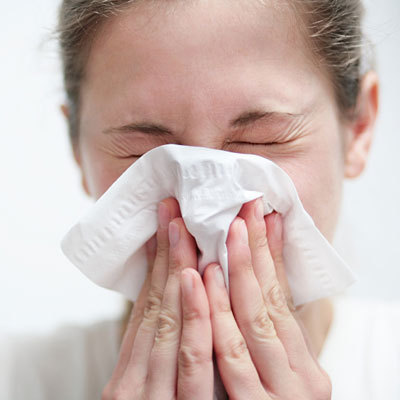
Spring is officially here! And that means change right? Longer days, warmer weather, flowers blooming…just to name a few, but what about us? With all these changes going on around us, our bodies are naturally bound to react, and to prevent flu-like symptoms or other negative effects this spring, we recommend getting your dose of seasonal acupuncture.
Whenever there is a season change, according to traditional Chinese medicine (TCM) beliefs, the energy frequency of the body or a person’s “qi,” may not be in harmony with the season’s frequency. A person’s may be blocked, leading to negative side effects from bodily sickness to mood swings. Acupuncture move you so that you may easily align yourself with the season's shift.
Why is now the perfect he time to get acupuncture? According to TCM, transitions like season changes are times of turmoil. People by nature are imbalanced and so these transitions exacerbate the imbalances in a person that are already there.
People may argue, why receive a treatment for something if I’m not sick? The answer is this: prevention. Here are the top three reasons why you should come in for an acupuncture treatment at the beginning of Spring and every season:
Prevention – Help your body avoid illness during a seasonal transition.
If you have had issues in the past like chronic illness or allergies, this is the time to get a tune-up!
Acupuncture strength is that it works beautifully at prevention.
This month we're finding family, friends, and patients alike are MISERABLE. As if over night, the weeds are in bloom bringing sniffles, coughs, itchiness and general discomfort. Seems like the perfect storm - and also the perfect time to remind you that studies show Acupuncture will help!
Most patients plagued with sniffles brought on by seasonal allergies turn to antihistamines for relief, but when they don't get relief, some opt for alternative treatments like acupuncture.
In a study published in the journal Annals of Internal Medicine, researchers examined 422 people who tested positive for pollen allergies and had allergic nasal symptoms such as a runny nose. The participants reported their symptoms as well as what medication and doses they used to treat them.
The researchers then divided them into three groups; one received 12 acupuncture treatments and took antihistamines as needed, a second group received 12 fake acupuncture treatments (needles placed at random, non-meaningful points in the body) and took antihistamines as needed, while the final group only took only antihistamines for symptoms.
After two months, the researchers asked the patients about their symptoms and how much medication they used. The participants who received the real acupuncture treatments with their antihistamines showed the greatest improvement in their allergy symptoms and less use of antihistamines compared to the other groups.
Dr. Remy Coeytaux of the Duke Clinical Research Institute and Dr. Jongbae of the Regional Center for Neurosensory Disorders and University of North Carolina at Chapel Hill, wrote an editorial accompanying the study. They write: "It may be time to begin asking such questions as: How does acupuncture compare directly with other therapeutic approaches? Which of the many acupuncture traditions or approaches is most effective or appropriate for a given clinical indication? What outcomes or process measures should we be assessing in clinical trials of acupuncture? Is the magnitude of effect, if any, associated with acupuncture for a given clinical indication 'worth it' from the perspective of patients, payers, or policymakers?"
In the meantime, study author Dr. Benno Brinkhaus of the Institute for Social Medicine, Epidemiology and Health Economics at Charité University Medical Center in Berlin wrote in an e-mail response describing the study that "From my experience as a physician and acupuncturist, and as a researcher, I would recommend trying acupuncture if patients are not satisfied with the conventional anti-allergic medication or treatment or they suffer from more or less serious sides effects of the conventional medication. Also because acupuncture is a relative safe treatment."
Hay fever sufferers who underwent 12 acupuncture sessions experienced fewer symptoms and required less antihistamine medication compared to a control group, researchers from Annals of Internal Medicine.
Acupuncture already helps to relieve pain in some patients, and the latest study hints that it might relieve sneezing and itchy eyes as well.
Most patients plagued with sniffles brought on by seasonal allergies turn to antihistamines for relief, but when they don’t get relief, some opt for alternative treatments like acupuncture.
In a study published in the journal Annals of Internal Medicine, researchers examined 422 people who tested positive for pollen allergies and had allergic nasal symptoms such as a runny nose. The participants reported their symptoms as well as what medication and doses they used to treat them. The researchers then divided them into three groups; one received 12 acupuncture treatments and took antihistamines as needed, a second group received 12 fake acupuncture treatments (needles placed at random, non-meaningful points in the body) and took antihistamines as needed, while the final group only took antihistamines for symptoms.
After two months, the researchers asked the patients about their symptoms and how much medication they used. The participants who received the real acupuncture treatments with their antihistamines showed a greater improvement in their allergy symptoms and less use of antihistamines compared to the other groups.
But if the treatments are providing some type of relief, then acupuncture’s potential role in treating allergies should be investigated further, the authors say. “The effectiveness of acupuncture for [seasonal allergies] compared with other antiallergic interventions and the possible underlying mechanisms of any effect, including context effects, need to be addressed in further research,” they write in the study.
That view is supported by Dr. Remy Coeytaux of the Duke Clinical Research Institute and Dr. Jongbae J. Park of the Regional Center for Neurosensory Disorders and University of North Carolina at Chapel Hill, who wrote an editorial accompanying the study. They note that acupuncture’s benefits have started to emerge over the last 15 years and enough high-quality clinical trials support “patient-level meta-analyses for several clinical indications.” They suggest that more rigorous research, which would incoude comparing acupuncture with existing teatments for conditions such as allergies, should be conducted in coming years.
They write:
It may be time to begin asking such questions as: How does acupuncture compare directly with other therapeutic approaches? Which of the many acupuncture traditions or approaches is most effective or appropriate for a given clinical indication? What outcomes or process measures should we be assessing in clinical trials of acupuncture? Is the magnitude of effect, if any, associated with acupuncture for a given clinical indication “worth it” from the perspective of patients, payers, or policymakers?
In the meantime, study author Dr. Benno Brinkhaus of the Institute for Social Medicine, Epidemiology and Health Economics at Charité University Medical Center in Berlin wrote in an email response describing the study that “From my experience as a physician and acupuncturist, and as a researcher, I would recommend trying acupuncture if patients are not satisfied with the conventional anti-allergic medication or treatment or they suffer from more or less serious sides effects of the conventional medication. Also because acupuncture is a relative safe treatment.”
Q: My allergies kick into high gear in the fall. Antihistamines and over-the-counter medications make me drowsy. What can I try that is more natural to stop my seasonal allergy symptoms?
A: It’s early fall. Harvest is starting, the sun is shining and the an extra dry summer breeze is scattering seeds … and pollen, and dust. Allergy season begins again!
While many over-the-counter medications offer temporary relief, an increasing number of allergy sufferers are exploring natural allergy remedies that have longer lasting results and none of the troubling side effects associated with Western drugs.
Natural medicine, herbs, and diet can alleviate or prevent allergies and asthma in four ways:
• Controlling inflammation of air passages
• Dilating air passages
• Thinning mucus in the lungs
• Preventing food-allergy reactions that can trigger respiratory allergies and asthma
How can you incorporate these benefits into your life?
Try acupuncture and herbal medicine! TCM (traditional Chinese medicine) has been used to treat allergies for hundreds of years. Several studies confirm that acupuncture and herbal medicine are helpful for allergic conditions such as asthma, eczema, and food allergies.
In a study published in Allergy, 52 people with allergic rhinitis were randomly assigned acupuncture treatments and Chinese herbal tea or sham acupuncture and herbs for six weeks. Nearly 85 percent of those people receiving real acupuncture and herbs had 100 percent or significant improvement of their symptoms, versus 40 percent of those getting the placebo treatment.
Spice it up: Spicy dishes can thin mucus secretions and clear nasal passages. Try adding cayenne pepper or ginger to your foods. Ginger is a natural antihistamine and decongestant. It may provide some relief from allergy symptoms by dilating constricted bronchial tubes.
Eat the right fat: Omega-3 essential fatty acids can counter the formation of chemicals that cause inflammation of the air passages. Good natural sources include flaxseed oil and salmon. Our clinic also offers high quality fish oil capsules that provide these very benefits.
Increase fiber and 'good' bacteria: Food intolerances seem to be connected with seasonal allergies. A healthy and active colon can decrease food sensitivity, which can, in turn, lighten the burden on your immune system and may reduce the impact of seasonal allergies. For maximum colon health, increase the fiber in your diet and consider probiotics. The active cultures in probiotics restores the balance between good and bad bacteria in your gastrointestinal tract. At Health On Point, we special order probiotics for our patients. If making the purchase on your own, be sure that your product offers not only high dose but a variety of bacteria, is stored in a dark jar, and must be refrigerated.
An apple a day: Some foods, including apples, contain the flavanoid, quersetin that can cross-react with tree pollen. Quercetin can reduce allergic reactions by having an antihistamine effect. It also decreases inflammation. Quercetin is found naturally in certain foods, such as apples (with the skin on), berries, red grapes, red onions, capers, and black tea. Our clinic all sells an incredible herbal formula that contains quercetin - MANY of our patients swear by it!
Go orange: Carotenoids are a family of plant pigments, the most popular being beta-carotene. Although no randomized controlled trials show that carotenoids are effective treatments for hay fever, a lack of carotenoids in the diet is thought to promote inflammation in your airways. Good sources of carotenoids include foods easily found in our yards or local markets - carrots, pumpkin, sweet potato, spinach, kale, butternut squash, and collard greens. If you feel you are lacking in orange foods, I'm happy to suggest some wonderful recipes!
As always, if you are interested in preventing or managing your seasonal allergies, please call or email Rachel. At Health on Point, we work with a protocol and variety of formulas to meet our individual patient's needs. Call to schedule your appointment today (319) 331 9312. Mention this article and receive 5% discount on your allergy treatment now through October 12!
When used in tandem with standard Western treatments, alternative therapies such as acupuncture, acupressure and dietary changes may spell significant relief for patients battling chronic sinusitis, a new pilot study suggests.
The authors say that their study is the first to explore the potential of combining Western medicine with Eastern therapies among these patients, who experience swollen and inflamed sinuses, facial pain, headaches and impaired breathing.
"Our study was small, looking at a handful of patients who were not benefiting that well from standard treatment," acknowledged study author Dr. Jeffrey Suh, an assistant professor of rhinology and skull base surgery in the department of head and neck surgery at the University of California, Los Angeles.
"And my take on alternative treatments is that Western medicine is effective for the majority of patients," he added. "But for those who don't get complete relief, adding in a more holistic Eastern approach that includes exercise, improved sleep, a better diet, and acupuncture and self-administered acupressure seems to provide an alternative that can have great benefit."
Suh and his colleagues report their findings in the March issue of the Archives of Otolaryngology.
The authors point out that chronic rhinosinusitis is a very prevalent condition in the United States, with nearly 30 million American adults diagnosed with the disease in 2010 alone, according to the U.S. Centers for Disease Control and Prevention.
The acute version of the disease is typically due to infection, experts say. However, the chronic form (namely, cases enduring past 12 weeks) is thought to stem from a variety of environmental and anatomical causes (such as the presence of polyps or a deviated nasal septum), thereby complicating treatment efforts.
Such efforts usually include the use of nasal corticosteroid sprays and nasal irrigation, while in some instances surgical intervention is required. Despite such efforts, some patients remain debilitated.
Suh and his team focused on 11 such individuals (eight men and three women), between the ages of 32 and 70. Many had struggled with the condition for years. None had had any kind of surgery in the three months before the study started. Similarly, no one had undergone acupuncture or acupressure intervention in the two months beforehand.
During the study, all previous treatments were continued. However, patients were offered eight weekly 20-minute sessions of therapeutic acupuncture and acupressure massage, performed by licensed therapists. Counseling was also offered to teach patients how to self-administer acupressure at home.
A dietary analysis was also conducted, and patients were given nutritional guidance that tracked traditional Chinese approaches towards food consumption. Stress management was also discussed, as were the benefits of regular exercise.
The result: The team found that when applied alongside modern medicine, the use of such so-called "staples of Eastern medicine" appeared to be both safe and effective.
After two months, all the patients showed a statistically significant gain in terms of quality of life, with a drop in feelings of frustration and restlessness and a boost in their ability to concentrate.
What's more, patients were found to have less of a problem with runny noses, reduced sneezing and a subsequent reduced need to blow their noses. Facial pain and pressure also appeared to drop off somewhat.
"These were the worst of the worst patients," Suh stressed. "And during treatment they got better. Now were they completely better? No. Only some of their symptoms improved. And those who did not keep up the lifestyle modifications like self-administered acupressure returned to their previous state after the study. But those who kept it up continued to see a benefit. So this offers some hope, and leads us to consider the next question, which is what might be possible with Eastern therapy alone?"
That said, Dr. Jordan Josephson, a sinus and allergy specialist with Lenox Hill Hospital in New York City, cautioned that chronic sinusitis is a "very complex problem" for which there is no simple solution.
"Augmenting traditional medicine with Eastern therapies is a very wise thing to do for sinus sufferers," he said. "In my practice, I certainly do this. Because it's not a question of antihistamines or acupuncture."
"And the reason for that is that we're not taking about a cure," Josephson said. "This is not a cold or a sniffle. If you have chronic sinusitis, it's chronic, like diabetes. So, the best thing to do is to treat patients with a combination of diet, antibiotics, antifungals, nasal sprays, allergy treatment, acupuncture, lifestyle changes, irrigation with saline and irrigation with medicines. You need a comprehensive plan for each individual patient that will give them the best chance at control."
Springtime is arriving early here in Iowa City. While most of us are thrilled, the change of seasons is bittersweet for others. Running nose, sneezing, and itchy watery eyes causes much suffering. Millions of dollars are spent on medications and the allergy shots to treatment seasonal allergies in the US alone.
Western medicine views seasonal allergies as a form of immediate hypersensitivity reaction which occurs when anti-bodies interact with airborne particles such as pollen. The Chinese medical interpretation also recognizes a close relationship between diet and nutrition, as well as season.
I find it satisfying to treat seasonal allergies with acupuncture. There is often a quick response - patients even get relief during the first visit while lying on the exam table with needles in place! After an initial series of treatments (3-4 sessions), patients return for further treatments on an as needed basis. Some come back in once or twice a year for a booster while others may come more often.
When combined with nutritional support, allergy relief is longer lasting. For example, patients do better if they avoid sugar and milk in their diets. We also carry some herbs and immune boosting teas in our growing pharmacy to help with your spring allergies.
For those new to acupuncture but with a lifetime of allergies, it's important to note that many patients who fail medication and allergy shots do respond to acupuncture. Patients may continue with their current allergy regimen/treatments while getting acupuncture treatments. Most patients are thrilled to find they end up significantly reducing or eliminating their dependence on allergy medications.
Call Health On Point to schedule your treatment for allergy support, or stop by for a complimentary consult and to learn about herbal remedies.
Below is an excerpt from a news site local to the Philadelphia (PA) area, published earlier in the week. This spring as tilling and planting begins, and flowers are blooming, many members of our community suffer from allergies that can be debilitating. Congestion, watery eyes and fatigue are just a few symptoms patients describe. Fortunately, making an appointment at Health On Point means you'll receive not only acupuncture, but we will also discuss at home care to minimize suffering this spring and summer! You may bring home materials for sinus cleanse, herbal remedies, and handouts reviewing easy diet and lifestyle changes that will certainly improve quality of life during the season.
Aniko Foldi and Marty Rudolph said they have battled severe allergy symptoms for years with no relief.
"You name it, I have every kind of symptom," Aniko said.
"I have had surgery, I've gone to an allergist's office two times a week for shots," Marty said.
Both of them desperate for help they turned to acupuncture as a last resort and both said it worked.
"It absolutely mitigates the impact," Marty said.
"It's just amazing to me it's like a 100% improvement," said Aniko.
Dr. Marshall Sager in Bala Cynwyd, Montgomery County practiced traditional medicine for years before becoming a certified acupuncturist. He said he's seen great success treating allergies with the ancient technique.
"If you believe that the body has an inherent ability to heal itself what acupuncture does is enhance that ability," said Dr. Sager.
But Dr. Edward Schulman, an allergist at Drexel University's College of Medicine, said there is no proof acupuncture can help allergy symptoms... But Dr. Schulman said there are very few risks for trying acupuncture. However, if you choose to do it, both he and acupuncturists said you should tell your doctor and try to work it into your overall therapy.