

Acupuncture as a Chinese medical practice is centuries old. There are 71 meridians in the body. It is believed that in order to function properly the body needs to be in balance. Even today, there are many false beliefs about acupuncture:
1. Acupuncture is painful.
Most people find the placing of the needles comforting and relaxing. However if discomfort should occur, it will fade quickly and on its own. The needles are no thicker than a cat’s whisker. You may feel a sensation often described as heaviness, throbbing, or an electrical current once the needle is inserted. This is good as it is your body opening up.
2. No reasonable healthcare professional would recommend it.
Actually acupuncture is recommended by many medical institutions. The U.S. military uses acupuncture. The National Institutes of Health (NIH) funds many clinical research trial on acupuncture. Both NIH and the World Health Organization (WHO) recognize acupuncture as a valid treatment for a wide range of conditions.
3. There is a conflict between medication, physical therapy, and other conventional medical treatments.
There is no conflict, they complement each other. Acupuncture can help improve conditions that you are being treated for.
4. Acupuncture is only helpful in treating pain.
Although acupuncture certainly helps in the treatment of pain, it by no means is the only condition it treats. Acupuncture can help with nausea or vomiting, morning sickness, hypertension, allergies, depression, infertility, addiction, and other conditions.
5. Acupuncture’s effects are psychological. It doesn’t really do anything.
Quite false. Studies show that during acupuncture, our brains begin to release chemicals such as endorphins (natural painkillers). Acupuncture has also proven to have an anti-inflammatory effect and help people’s immune system.
In Washington, an acupuncturist needs to be licensed by the state Board of Medicine.
I work with many clients - including pediatric and senior patients. Acupuncture is helpful with the many aches and pains we experience as we age. It is helpful with arthritis pain, joint difficulties, and other pains. As we've discussed before, acupuncture acts as a wonderful complement to mainstream medicine.
Many of my clients use acupuncture as a maintenance program for their health issues. It helps sustain them between visits with their primary care physician. If you are interested in learning if acupuncture can be helpful, you can call Health On Point.
Showing posts with label seasonal health. Show all posts
Showing posts with label seasonal health. Show all posts
Friday, October 16, 2015

Wednesday, April 9, 2014
New Research: The Plantar Fasciitis Cure

Recent research indicates acupuncture is an effective and safe treatment for heel pain. Heel pain is a common foot condition often characterized by intense pain, especially when placing weight onto the foot. Pain on the back of the heel often indicates achilles tendinitis and pain on the underside of the heel often indicates plantar fasciitis.
One of the most common causes of heel pain, plantar fasciitis involves pain and inflammation of the band of tissue running across the bottom of the foot. New research indicates that acupuncture is effective for plantar fasciitis, achilles tendinitis and many other forms of heel pain.
Biomedical approaches to heel pain treatment include behavioral therapy, nonsteroidal anti-inflammatory drugs (NSAIDs), corticosteroid injections, small needle knife therapy, block therapy, shockwave therapy and surgery. Traditional Chinese Medicine (TCM) historical records document success in the treatment of heel pain using acupuncture. This new scientific investigation confirms the historical data.
The researchers from Guangzhou Dongsheng Hospital and Guangzhou Social Welfare House examined 19 separate clinical investigations and discovered that 16 of the 19 studies made extensive use of ahshi ("trigger point") acupuncture points to achieve optimal patient outcomes. In one investigation carried out by Xu Xuemeng et al., 66 patients were randomly divided into an acupuncture group and a control group. The acupuncture group received filiform acupuncture needle method treatment and the control group received injections and local blocking therapy. The results were assessed six months following the treatment. The acupuncture group achieved an effective rate of 97% and the drug therapy group had only a 76% effective rate.
Based on the 19 reviewed studies that were performed in the past five years, the researchers conclude that acupuncture is safer, easier to apply, and more effective than conventional treatments for heel pain.
Monday, March 31, 2014
Your Seasonal Acupuncture Session

Whenever there is a season change, according to traditional Chinese medicine (TCM) beliefs, the energy frequency of the body or a person’s “qi,” may not be in harmony with the season’s frequency. A person’s may be blocked, leading to negative side effects from bodily sickness to mood swings. Acupuncture move you so that you may easily align yourself with the season's shift.
Why is now the perfect he time to get acupuncture? According to TCM, transitions like season changes are times of turmoil. People by nature are imbalanced and so these transitions exacerbate the imbalances in a person that are already there.
People may argue, why receive a treatment for something if I’m not sick? The answer is this: prevention. Here are the top three reasons why you should come in for an acupuncture treatment at the beginning of Spring and every season:
- Prevention – Help your body avoid illness during a seasonal transition.
- If you have had issues in the past like chronic illness or allergies, this is the time to get a tune-up!
- Acupuncture strength is that it works beautifully at prevention.
Call Health On Point today to schedule your Seasonal Session!
Monday, March 10, 2014
You're Invited! An Insomnia Workshop
Last week we announced our first joint event with Hearland Yoga! On the evening of March 26th, join us (1/2 block west) for an incredible hands-on event. You will receive auricular acupuncture in conjunction with guided breathing and relaxing yoga poses to enhance your sleep. Let us help you feel settled both physically and emotionally. We at Health On Point are preparing care packages for each individual attending. You may register by phone or directly online. Information is found in the poster below!

Tuesday, February 18, 2014
Acupuncture for stress

When it comes to calming down, more and more people are turning to acupuncture for stress relief.
Jamie Starkey, an acupuncturist at Cleveland Clinic, said acupuncture for stress has a two-fold effect.
"So, as we’re treating patients, patients are not only engaged in that relaxation response, but also the brain begins to release endorphins and the endorphin response gives you that euphoric-like sensation," said Starkey.
Starkey said, when it comes to stress, most people feel an immediate response to acupuncture.
Some studies have found acupuncture lowers stress hormones, while others report a release of endorphins triggered by the technique.
Acupuncture works well as part of a multi-disciplinary approach to managing stress. If you would like to try acupuncture for stress relief, call to schedule a session. We also introduce patients to herbs and essential oils to support change at home.
Friday, February 7, 2014
Acupuncture Fights Depression
There is a growing body of evidence that demonstrates acupuncture's incredible effect on anxiety and depression. Read about the newest research below - and then call Health On Point to experience it for yourself.
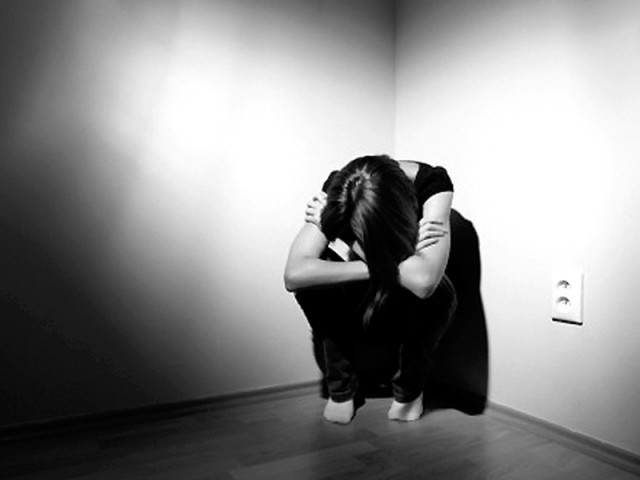
New lab experiments reveal acupuncture has antidepressant effects. An examination of brain cells following acupuncture treatments uncovered important mechanisms by which acupuncture exerts its antidepressant effects. Acupuncture caused the regulation of brain cell activity associated with therapeutic results.
The researchers discovered that acupuncture exhibits regulatory effects on special brain cells in the hippocampus called neural progenitor cells (NPs). These cells contribute to the maintenance of the brain and spinal cord. A major function of NPs is in the replacement of damaged or dead cells. Injured cells activate NPs to differentiate into the target tissue. NPs vary slightly from stem cells because they are more specific and tend to differentiate into a specific type of cell.
The researchers cite numerous studies showing “that acupuncture is an effective remedy for depression and it may be as effective as antidepressant drugs.” They also note that electro-acupuncture increases neurogenesis in the hippocampus as do SSRIs (serotonin reuptake inhibitors), a class of antidepressant medications. Neurogenesis is the process by which neurons are generated from neural stem and progenitor cells.
The focus of this new study was to map the precise cellular mechanisms responsible for the antidepressant effects of electro-acupuncture. Prior research shows that electro-acupuncture restores proliferation of NPs in the brain when impaired by depression. The focus of this study was a more precise measurement of specific biochemical actions.
The findings revealed that electro-acupuncture applied to acupuncture points DU20 (Baihui) and GB34 (Yanglingquan) on a stress induced rat model group regulated two major subclasses of NPs, quiescent neural progenitors (QNPs) and amplifying neural progenitors (ANPs). The researchers demonstrated that chronic unpredictable stress induced behaviors associated with depression and anxiety in the rat model group. The stress caused cell death of QNPs and “impaired the proliferation of both ANPs and QNPs” in the group. Electro-acupuncture “alleviated depressive-like and anxiety-like behaviors in the rat” group, restored proliferation of ANPs and limited cell death of QNPs. This caused a preservation of NPs in the hippocampus. 
The researchers note, “The present study revealed that chronic EA (electro-acupuncture) treatment exerted significant antidepressant effects in a rat model of depression. Further, the mechanisms underlying antidepressant effects of EA were associated with preserving the QNPs from apoptosis and ameliorating the impaired ANPs proliferation in hippocampus.” They note that the work conclusively demonstrates that electroacupuncture is “beneficial to the division of hippocampal NPs.” Further, the researchers note that these findings are consistent with other investigations demonstrating that electro-acupuncture “promotes neurogenesis in different brain regions….”
The researchers note that NPs are important in hippocampal neurogenesis and that chronic induced stress decreases proliferation of NPs and manifests in declined neurogenesis. This decrease in the birth of new brain neurons is associated with both anxiety and depression. Electro-acupuncture exhibited the opposite effects of chronic induced stress by upregulating ANPs. The researchers suggest that this is an “underlying mechanism of antidepressant-like effects of EA (electro-acupuncture).”
Friday, December 20, 2013
Nurture Your Emotional Wellness
The holiday season may be filled with a dizzying array of demands, visitors, travel and frantic shopping trips. For many people, it is also a time filled with sadness, self-reflection, loneliness and anxiety. Compound the usual seasonal pressures with economic strain and you may find this to be one of the most emotionally trying times of the year.

At some point in life everyone deals with major upheavals or emotional distress. These events can trigger a host of unexpected feelings and behaviors, from depression and panic attacks to major disruptions in sleep and eating. Acupuncture and Oriental medicine can alleviate symptoms associated with mental and emotional health issues by treating the root cause of the problem to help restore balance to the body's internal environment.
Mental health disorders are medical conditions that can disrupt a person's thinking, feeling, mood, ability to cope with the daily demands of life or relate well to others. Affecting people of any age, race, religion, or income, mental health issues are more common than you might think. In fact, experts estimate that a significant number of people report symptoms that indicate sufficient qualifying criteria of a mental disorder.
Acupuncture & Oriental Medicine does not recognize any mental disorder as one particular syndrome. Instead, it aims to treat the specific symptoms that are unique to each individual using a variety of techniques including acupuncture, lifestyle/dietary recommendations and exercises to restore imbalances found in the body. Therefore, if 100 patients are treated with acupuncture and Oriental medicine for anxiety, each of those 100 people will receive a unique, customized treatment with different acupuncture points, and different lifestyle and diet recommendations.
Mental health issues are best managed when health professionals work together to meet the unique needs of each individual. Acupuncture is an excellent addition to any treatment plan as it is used to help the body restore balance, treating the root of the disorder, while also diminishing symptoms. If you or someone you love is suffering this season, call for a session in our clinic. We're more than happy to work with you one on one, and to discuss what you can do at home in terms of self care to support our work together.
Tuesday, December 17, 2013
Research: Acupuncture Lowers Fatigue & Ups Endurance

New research demonstrates that acupuncture prevents fatigue and enhances athletic endurance. Scientists measured the effects of three acupuncture points on the swimming task ability and liver mitochondrial function of laboratory rats in a highly controlled investigation. The results revealed that the normal control group and model group had significantly shorter swimming exhaustion times than the acupuncture group, which demonstrated objective improvements in athletic endurance. The acupuncture group also demonstrated improvements in liver mitochondrial-respiratory function with a significantly lower oxygen consumption rate than the normal control and model groups. The acupuncture group also demonstrated significant improvements in the liver mitochondrial respiratory control rate (RCR) and the ratio of phosphorus to oxygen (P/O).
The researchers measured additional interesting findings. They compared acupuncture point prescriptions. Group 1 received electroacupuncture at CV4 (Guanyuan) and ST36 (Zusanli) plus manual acupuncture stimulation at GV20 (Baihui). Group 2 received electroacupuncture at CV3 (Zhongji) and SP9 (Yinlinquan) and manual acupuncture stimulation at Yintang (EX-HN3). Group 1 demonstrated significantly better scores than group 2 thereby demonstrating that the CV4, ST36, GV20 acupuncture point prescription has markedly greater anti-fatigue effects.
The investigators note that the treatment principle for the CV4, ST36, GV20 acupuncture point prescription is Shuanggu Yitong, “strengthening both the congenital foundation and the acquired constitution and regulating the yang-qi of the body.” The measurements were geared to quantify the anti-fatigue effects of the point prescription by measuring physical activity capabilities and liver functions in laboratory rats. The researchers concluded that, “Electroacupuncture of CV4 and ST36 plus manual acupuncture stimulation of GV20 can improve the anti-fatigue capability in aging rats with yang-deficiency, which may be related to its effects in reducing liver mitochondrial oxygen consumption and increasing liver mitochondrial RCR and ratio of P/O.”
Another study took a different tack to determine if acupuncture has beneficial effects on bodily strength and endurance. Researchers from the International Society for Autonomic Neuroscience discovered that acupuncture controls the heart rate and increases the strength of cardiac autonomic function. The research indicates that specific acupuncture points may help to prevent heart attacks (myocardial infarctions) and arrhythmias.
Researchers conducted a study of acupuncture points CV17 (Shanzhong) and CV16 (Zhongting). Needling acupoint CV17 decreased the heart rate and increased the power of the high-frequency component of the HRV (heart rate variability), an index of the body’s ability to maintain control of the heart beat rate and rhythm through vagus nerve activity. The researchers conclude that CV17 “causes the modulation of cardiac autonomic function.” CV16 did not change the HRV or demonstrate the same level of beneficial effects on the heart rate as CV17. CV17 is able to activate the autonomic nervous system to control the heart rate by increasing vagal activity. Depressed HRV after MI, a heart attack, reflects a decrease in vagal activity and leads to cardiac electrical instability. Since acupuncture at CV17 increases the cardiac vagal component of HRV, it is an important acupuncture point for patients recovering from MI.
References:
Wang, H., J. Liu, J. M. Liu, J. F. Lü, M. Y. Chen, and J. Z. Wang. "Effect of electroacupuncture stimulation of" Guanyuan"(CV 4), bilateral" Housanli"(ST 36), etc. on anti-fatigue ability and liver mitochondrial respiratory function in ageing rats with Yang-deficiency." Zhen ci yan jiu= Acupuncture research/[Zhongguo yi xue ke xue yuan Yi xue qing bao yan jiu suo bian ji] 38, no. 4 (2013): 259.
Kurono Y, Minagawa M, Ishigami T, Yamada A, Kakamu T, Hayano J. Auton Neurosci. Acupuncture to Danzhong but not to Zhongting increases the cardiac vagal component of heart rate variability. 2011 Apr 26;161(1-2):116-20. Epub 2011 Jan 7.
Monday, December 16, 2013

Thursday, November 21, 2013
Who's Who: Virginia Join the Health On Point Family!
 Hello! My name is Virginia Dreier and I am a licensed massage therapist at Health on Point. I graduated from East-West School of Integrated Healing Arts this past summer in North Liberty specializing in Swedish and blended Swedish-Shiatsu style massage. Although I grew up in Iowa City, I left for 6 years during which I attended Oberlin College and travelled as an outdoor educator. As a teacher I learned many lessons: about compassion, empathy, patience, and care. I still work as a teacher at Willowwind School in the Montessori preschool-continuing to learn these lessons.
I chose massage therapy because I wanted to live a life of balance and peace. I wanted to be healthy and less worried. I wanted to improve my quality of life. I feel very grateful to walk a new path as a healer. I offer to each client the same desires for optimal health and well-being.

Massage can strengthen your immune system, lower blood pressure, reduce headaches, and improve your mood. Massage is finally being studied, accepted and promoted by health officials and is now commonly used as complementary and alternative medicine. It is increasingly being offered along with treatment for a wide array of medical problems such as anxiety, insomnia related to stress, migraines, sports injuries and of course muscular ‘knots’.
Massage is not simply a source of relaxation it is a powerful tool for treating dis-ease and promoting a life of healing and health. My clients choose me because I have a deeply caring, intuitive touch and confident presence that builds trust; allowing them to relax and start healing themselves immediately. Please check out my Facebook page for more information about me and my practice, Renew Massage, or if you have any questions at all please email me. I am very grateful for and look forward to becoming a part of the Health on Point community and working towards healing for us all.
Monday, November 18, 2013
Acupuncture Offers Holistic Alternative to Botox
If you are interested in trying acupuncture for yourself, or want to give the gift of younger, healthier skin, contact Health On Point! Rachel trained in facial acupuncture with Virginia Doran in New York, and is using these techniques with patients here in Iowa City since 2007. You don't have to take our word for it...
As Lora Lipman entered her 60s, she began to notice not only fine lines around her eyes and lips, but an uneven skin tone she described as somewhat grayish and ashy.
She was reticent to opt for chemical enhancements, or the typically invasive nips, tucks, and pokes of plastic surgery.
So instead, on a recent afternoon, she lay perfectly still on a spa table as dozens of the tiniest of acupuncture needles were gently inserted into the skin of her face and head. It was her fourth week undergoing a cosmetic treatment at the steady hands of Stephanie Kula at the Jewish Community Center of the North Shore in Marblehead.
“Now,” said the 62-year-old from Beverly, “people say ‘Your skin looks so nice, so clear and healthy.”
Cosmetic acupuncture — new to the North Shore JCC but reportedly favored by the likes of Gwyneth Paltrow, Angelina Jolie, and Madonna — is on the growing list of natural alternatives to procedures such as face lifts and Botox and collagen injections.
It targets specific points on the face, with the tips of dozens of tiny needles — just as with other acupuncture procedures — placed beneath the skin to stimulate blood flow as well as the production of collagen and elastin. The goal, according to Kula, a licensed acupuncturist, is essentially to “overstimulate” certain areas.
The process can help to fade age spots, improve fine lines, diminish deeper wrinkles, even out and brighten skin tone, reduce jowls, rosacea, and acne, and reduce puffiness, Kula said.

She listed reducing pain, stress, symptoms of depression and anxiety, minimizing hot flashes and night sweats, and improving digestion and sleep cycles as some of the overall holistic benefits of acupuncture.
“It’s an internal and external process, and it works to relax your whole system,” said Kula, who studied the ancient practice at the Academy for Five Element Acupuncture in Gainesville, Fla., and owns the Salem-based North Shore Community Acupuncture. “It’s a way to really take care of yourself. Self-care is something we don’t really do that much of.”
While acknowledging that people can be put off by the very idea of becoming the equivalent of a human pincushion, she said it’s a relatively painless procedure because the needles are thin, less than an inch in length, and akin to a “cat whisker.”
“A lot of people come in with the fear of getting blood drawn,” she said, but having an acupuncture needle inserted is “a sensation you feel for a couple seconds, then it goes away.”

At the JCC in Marblehead, Kula offers what’s known as the Mei Zen method of cosmetic acupuncture, as developed by Denver-based practitioner Martha Lucas. The protocol involves placing 90-plus needles in various points in the face and head; Kula also has incorporated “cupping” into the process, which she says helps to speed up results through the use of suction cups placed and drawn across the skin on the face, neck, and chest to pull up the underlying muscles and tissue and increase blood flow.
She began offering the service at the JCC on Oct. 1. A full run of the procedure is five weeks — twice a week in 60- to 90-minute sessions — with follow-up maintenance once a month after that. Kula charges $150 per session throughout the five-week period, then $85 for follow-ups.
“This is a commitment you make to yourself,” said Lipman, who has been getting general acupuncture treatments for more than 30 years, and reports that they have helped her deal with reflux, sciatica issues, and a sprained ankle. And when the treatment is over, she feels “very relaxed,” she said. “My mind seems clearer. If I have any stress, it’s gone.”
On a recent afternoon, her session began as she lay down on a spa table in a private room, pillows beneath her head and calves. Her long hair was pulled back with a headband, jeans rolled up above the knees.
Kula asked how Lipman was feeling; then, after swabbing each area with antiseptic, she stuck various-sized needles into the tops of Lipman’s feet, around her ankles, below her knees, in her hands, and at her wrists.
Then, she placed a half-dozen smaller needles into the top of her head, and, finally, moved to her face, inserting numerous miniature needles above her eyebrows, on the sides of her nose, around and behind her ears, and tracing her cheekbones, lining her lips, and crowning her chin.
“I feel totally relaxed,” Lipman said as Kula softly pricked her skin. “I really don’t feel most of them. With some, it’s just a little bit of pressure — hardly at all.”
Roughly a half-hour later, Kula carefully removed the tiny implements — Lipman’s skin tinged pink in some areas where they had been applied — then proceeded to place cups on her neckline and face.
“I feel great, wonderful. It’s like having a minivacation,” Lipman reported when it was over.
Monday, November 11, 2013
Who's Who: A look at Health On Point
Hello, My name is Mario Corella and I am a Reiki practitioner at Health On Point. I provide several services to clients including singing bowl therapy, reiki, and chakra balancing. There are numerous benefits from these therapies. Holistic medicine is becoming more and more popular. Funding and research in alternative therapies helps to enhance knowledge of these types of healing.

Reiki is a subtle therapy used to promote overall well being. Reiki involves a practitioner holding their hands over various areas of a patient’s body to correct energy imbalances. It is practiced in over 800 hospitals in the United States. Relaxation and stress reduction are two of the major benefits of Reiki. This type of healing can be beneficial for anyone. People who suffer from chronic pain, stress, depression, cancer, migraines, insomnia and pre and post surgical patients are a few examples of those who benefit. One session is enough to feel benefits and notice a change in condition. Multiple sessions help to perpetuate feelings of general well being. After a session, patients typically feel relaxation and a sense of calm and peace.

Singing Bowl sessions are another type of therapy that assist in relaxation and the promotion of well being. I use a set of 7 crystal quartz singing bowls. Each bowl is specially tuned to affect a different area of the body and produce a unique sound frequency. The vibrations of the singing bowls are intended to permeate the cells of the body and facilitate healing and balancing of the body’s energy. The sounds produced are quite distinct, especially when multiple bowls are played, enhancing the depth of sound. This therapy can be used for meditation and allows the listener to enter a state of great relaxation.
I am available for appointments on Friday afternoons and other days by appointment. I invite you to experience the benefits of Reiki and Singing Bowl Therapy. Give yourself or someone you love the gift of healing and relaxation!
Monday, October 28, 2013
Three Easy Tips for a Healthy Autumn
It’s happening...the weather is changing and everyone here in Iowa City has pulled their fleece jackets out of the closets. So, here are some easy, surefire tips to a healthy Autumn.

2) Let It Go - Whatever it is! Nature instructs us about the cycle of creation and letting go every year. Autumn marks the end of the growing season and is a time to turn inward, conserving energy. Trees lose their leaves in preparation for winter. How can we expect a healthy harvest next year if we don’t release the old and stagnant aspects of our lives? The most powerful lesson of Fall is to release the clutter that unnecessarily complicates our lives in order to discover all that is meaningful and fresh.
3) Protect - As the weather changes, it’s easier for us to catch colds and flus. Certain areas of our bodies are more vulnerable when left exposed, so it is particularly important to protect the back of your neck and chest from the wind with a scarf or collar. Also, no bare feet, especially if you have hardwood floors. Walking around on cold floors chills the entire body.
Wednesday, September 25, 2013
Autumn Means Change Within... and Without

September 22nd marked the beginning of Fall this year....
In the spirit of Traditional Chinese Medicine, fall is the time of the Lung. This means that our lungs and skin are more likely to have problems now with complaints such as eczema or psoriasis, and coughs, colds and flu. This season requires that we start dressing a warmer, eat nourishing foods, drink plenty of fresh water, and get enough sleep.
Fall in TCM is also the time of dryness, much as we see all around us in the trees. Autumn leaves turn beautiful - often vibrant - colors, then fade as they dry out and ultimately fall from their branches. This may be reflected in each of us when we consider this on an emotional level.
Just this week many patients are noting an awareness of grief for past losses. Several individuals on my table shared their struggles with this season and its 'timing' - be it in terms of the academic calendar or the sense that winter is not far behind.
I'd love to remind you what my medicine tradition teaches us. This a time for us to practice letting go. We may struggle, dig our heels in and resist! But this just exhausts us physically and emotionally. Consider that much as a tree losing its leaves is inevitable this season, so too are losses and change in our lives. How would it feel if you didn't fight, didn't struggle? What would that mean for you in your life?
Just this week many patients are noting an awareness of grief for past losses. Several individuals on my table shared their struggles with this season and its 'timing' - be it in terms of the academic calendar or the sense that winter is not far behind.
I'd love to remind you what my medicine tradition teaches us. This a time for us to practice letting go. We may struggle, dig our heels in and resist! But this just exhausts us physically and emotionally. Consider that much as a tree losing its leaves is inevitable this season, so too are losses and change in our lives. How would it feel if you didn't fight, didn't struggle? What would that mean for you in your life?
Monday, September 16, 2013
Drink More Tea
As if overnight, Autumn has arrived! Ease your body through this month of transition with our herbal tea bundle. Choose any three of our all organic, fresh hand-crafted herbal teas and you'll receive a gift that makes those mugs filled with deliciousness all the more satisfying.

Tuesday, August 13, 2013
Tis the Season....
This month we're finding family, friends, and patients alike are MISERABLE. As if over night, the weeds are in bloom bringing sniffles, coughs, itchiness and general discomfort. Seems like the perfect storm - and also the perfect time to remind you that studies show Acupuncture will help!
Most patients plagued with sniffles brought on by seasonal allergies turn to antihistamines for relief, but when they don't get relief, some opt for alternative treatments like acupuncture.
 |
| Don't be miserable this week, we're here to help! |
In a study published in the journal Annals of Internal Medicine, researchers examined 422 people who tested positive for pollen allergies and had allergic nasal symptoms such as a runny nose. The participants reported their symptoms as well as what medication and doses they used to treat them.
 The researchers then divided them into three groups; one received 12 acupuncture treatments and took antihistamines as needed, a second group received 12 fake acupuncture treatments (needles placed at random, non-meaningful points in the body) and took antihistamines as needed, while the final group only took only antihistamines for symptoms.
After two months, the researchers asked the patients about their symptoms and how much medication they used. The participants who received the real acupuncture treatments with their antihistamines showed the greatest improvement in their allergy symptoms and less use of antihistamines compared to the other groups.
Dr. Remy Coeytaux of the Duke Clinical Research Institute and Dr. Jongbae of the Regional Center for Neurosensory Disorders and University of North Carolina at Chapel Hill, wrote an editorial accompanying the study. They write: "It may be time to begin asking such questions as: How does acupuncture compare directly with other therapeutic approaches? Which of the many acupuncture traditions or approaches is most effective or appropriate for a given clinical indication? What outcomes or process measures should we be assessing in clinical trials of acupuncture? Is the magnitude of effect, if any, associated with acupuncture for a given clinical indication 'worth it' from the perspective of patients, payers, or policymakers?"
In the meantime, study author Dr. Benno Brinkhaus of the Institute for Social Medicine, Epidemiology and Health Economics at Charité University Medical Center in Berlin wrote in an e-mail response describing the study that "From my experience as a physician and acupuncturist, and as a researcher, I would recommend trying acupuncture if patients are not satisfied with the conventional anti-allergic medication or treatment or they suffer from more or less serious sides effects of the conventional medication. Also because acupuncture is a relative safe treatment."
Monday, July 29, 2013
The Mini-Vacation

Some of my friends who grew up in the Northeast recall that it was commonplace for families to take at least two weeks, often a month or a whole summer and go to the beach every year. Of course an annual retreat for relaxation and rejuvenation is routine in Europe; businesses there will commonly shut down for the month of August. Unfortunately, in our youthful American enthusiasm for getting ahead, we have forgotten the value of balancing productivity with plain old rest and relaxation.
Even when we do take “downtime” our consumer-driven culture has managed to make us feel as though we need special clothing or accessories to relax correctly. And as far as I can tell, vacation has become a myth...some fantasy for the future that we use to justify working too hard now.
And yet, as trite as the new age jargon makes it sound, balancing work and play really is crucial for our health and wellbeing. In medical literature, psychosocial stress is accepted as a significant risk factor for heart attack and stroke. Giving our central nervous system a break by slowing down both physical and mental activity allows our entire system to function more smoothly. Digestion and sleep are improved, our immune system can respond appropriately and we become able to think more clearly.
With rest, our brain can become more creative, seeing solutions that simply weren’t there before. Athletes know that optimum performance comes when you are able to get in “the zone” when your body is doing what it needs to without your brain having to think through the motions. Other work is the same way. We all have access to brilliance, but being able to focus that “knowing” into our work requires that we periodically take a step back and do nothing, just as an athlete would stop training and rest before a big competition.
So how do we integrate rest and relaxation into our lives with the kinds of intense schedules we have created for ourselves? For me the solution is one I'm calling the "mini-vacation." Working with many patients this summer who share the desire for a 'break' - and the benefit from one - but can't seem to get the time away, I've structured a soothing acupuncture treatment - it's our own "mini-vacation". During this session, you are able to take time off and away without the pressure of feeling like something else needs to get done. I choose acupuncture points, essential oils, and music to leave you feeling refreshed.
The purpose of our mini-vacation session is an experience of pure presence, of listening to what inspires you in the moment.
Patients who have received this special treatment tell me they feel grateful and re-energized about work. These mini-vacations work beautifully to keep us from wearing ourselves thin the rest of the year. Even if we aren't able to truly "balance" work and play, at least we ought to have a time-out every once in a while to reconnect to our own brilliance. Schedule your mini-vacation session - or gift one to a friend - and receive a 10% discount off a retail item of your choice during the month of August!
Friday, July 19, 2013
Treatment of Skin Conditions with Acupuncture
The skin reflects and reacts to imbalances within the body's internal landscape and the effects of the environment. Internal disharmonies caused by strong emotions, diet, and your constitution, as well as environmental influences such as wind, dryness, dampness, and heat, can all contribute to the development of a skin disorder. To keep your skin healthy and beautiful on the outside, you must work on the inside of your body as well. Increasing the flow of energy, blood and lymph circulation improves the skin's natural healthy color.
Promotion of collagen production increases muscle tone and elasticity, helping to firm the skin. Stimulating the formation of body fluids nourishes the skin and encourages it to be moister, softer, smoother and more lustrous.
General skin conditions that can be treated with acupuncture and Oriental medicine include acne, dermatitis, eczema, pruritus, psoriasis, rosacea, shingles and urticaria (hives). Oriental medicine does not recognize skin problems as one particular syndrome. Instead, it aims to treat the specific symptoms that are unique to each individual using a variety of techniques with acupuncture, such as herbal medicine, bodywork, lifestyle/dietary recommendations and energetic exercises to restore imbalances found in the body. Therefore, if 10 patients are treated with Oriental medicine for eczema, each patient will receive a unique, customized treatment with different lifestyle and dietary recommendations.
If you suffer from a skin condition or would like to know how to optimize your skin health, call or email Health On Point and learn more about how acupuncture and Oriental medicine can help you.
(article originally written by Diane Joswick LAc)
Thursday, March 21, 2013

Monday, March 11, 2013

Subscribe to:
Posts (Atom)