|
As if overnight, Autumn has arrived! Ease your body through this month of transition with our herbal tea bundle. Choose any three of our all organic, fresh hand-crafted herbal teas and you'll receive a gift that makes those mugs filled with deliciousness all the more satisfying.
The countdown is on for Migraine Awareness Week. My patients (and friends!) will concede that one of my favorite parts of my practice is providing acupuncture for migraine sufferers. The techniques available to individuals when they come to our clinic are unique in our community. Many find immediate and profound relief from acupuncture, for others it may take a few sessions. Regardless, however, I believe that resolution IS possible. Offering education and guidance for at home care is always part of the regimen. Below are some of the key points. Read on and let us know - what is your experience with migraines and acupuncture relief? Have you discovered any techniques you can use on yourself that provide immediate relief?
 |
| Try massage at the red points above! |
Pressure
Many people find that applying gentle pressure to the head, face, and neck during a migraine can help ease the pain. Techniques to try:
- Press the brow line and under the eyes.
- Rub the temples and jaw in a circular motion.
- Massage the base of the skull with a tennis ball.
Diet Changes
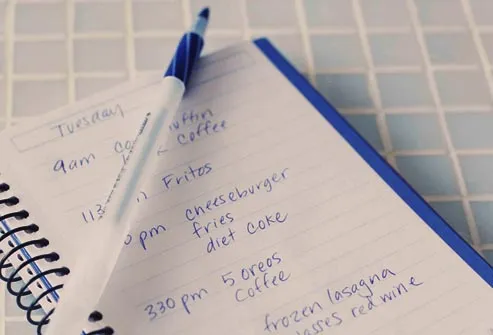
Some people find that certain foods trigger their migraines. Common trigger foods include alcohol, caffeine, chocolate, canned foods, cured or processed meats, aged cheeses, cultured dairy, MSG, and aspartame. Keeping track of what you eat with a food diary can help you identify what you ate before a migraine came on. Try eliminating these foods one at a time to see if it improves your migraines.
Good Habits Fight Migraines
Your lifestyle can have a big impact on how often you get migraines. These tips can help:
- Keep a migraine diary to track your triggers.
- Don't skip meals.
- Stay hydrated.
- Get regular exercise.
- Maintain a healthy weight.
Djokovic May Be Hot But His Drinks Are Warm
Novak Djokovic is the No.1 male tennis player in the world right now, and he follows a strict diet to maintain his health and superiority on the court.
The Wall Street Journal wrote about Djokavic’s new book, in it he explains his diet. He writes that he does not consume caffeine or sugar and only drinks warm water all day long. Yes, warm water! This fact caught my interest because Chinese Medicine advocates that we drink water at room temperature or warm and that to avoid ice water. In his book, Djokavic’s writes that cold water "slows digestion” and "diverts blood away from where I want it—in my muscles." He seems to have a philosophy that is very similar to Chinese Medicine. In traditional Chinese Medicine, the constant consumption of cold water and the use of ice in drinks is harmful because our bodies need to maintain an internal heat in order to absorb nutrients. Cold, when ingested, constricts the blood vessels and hinders our digestive process. I wouldn’t be surprised to hear that Djokovic uses acupuncture and herbs.
What temperature is the water you drink? Are you willing to try to only drink warm water all day and see if you feel the benefits?
Migraines affect up to 12% of the US population (36 million people). Around two thirds of sufferers are women. The first week of September is Migraine Awareness week. We at Health On Point would like to offer special sessions, additional education and support for those in the community who suffer with migraine headaches.
This week we will start with a personal story. Jane Elliott is a health reporter at BBC News. Below is an excerpt in which she discusses living with this condition and how acupuncture is offering a respite.
Even as a tiny baby, I am told, I used to hold my head, go pale, and vomit. As I grew older the migraines started to follow a more defined pattern.
It seemed that anything that I liked and enjoyed could prove a trigger: chocolate, too much orange juice, Coca cola, excitement over parties or school trips.
In the end my parents would not tell me about a planned treat until minutes before we left in the hope I would keep calm and avoid 'getting worked up'.
I can remember a sudden attack on the way home from school, aged about 10, left me in agony, being sick on the roadside and wondering how I was going to manage the short distance home.
Triggers
And as I got older, I quickly learnt that even a small glass of red wine always has disastrous results, although I can drink small amounts of white wine with no ill effect.
Exhaustion is another big trigger, and as a mother of two young children I have found the frequency of my attacks increasing over the last four years.
I know I can probably survive with one broken night's sleep, but any more than that will always mean a migraine.
In any given month I can have between one and six attacks, although during both pregnancies I was migraine free.
Some weeks are so bad that I get one horrendous attack and what I can only describe as aftershocks over the next few days.
Darkened room
In the worst attacks I am so debilitated that the pain, concentrated mainly on my left temple, seems unbearable and I have to retire to a darkened room.
First comes hours of excruciating pain and feelings of depressing nausea, then a welcome relief as I eventually vomit and as the pain recedes and I can fall into sleep.
My migraines last on average eight hours - some people suffer days of pain.
Over the years I have tried every sort of pain relief, from over-the-counter headache tablets - which only work sometimes in the very early stages - to targeted migraine drugs, which worked on many of the attacks but left me feeling nauseous.
This year, after my migraines reached an intolerable level and I found myself getting as many as three attacks a week, I decided to take immediate action.
My doctor recommended Imigran Recovery (sumatriptan), which has recently been made an over-the counter drug. He warned me that it didn't work for everyone - but it worked for me.
If I took the tablets everywhere with me and took them as soon as I started to feel the familiar warning signs they did not develop.
Not wanting to become reliant on too many drugs however, I decided to explore other ways of alleviating my migraine.
My mother recommended acupuncture, and I must admit that I was at first sceptical.
She had seen a TV programme which seemed to show a link between acupuncture and migraine relief, and she offered to pay for a course of treatments for me to see if it worked.
I didn't hold out much hope of it working, but was prepared to give it a go.
Diet changes
As well as the acupuncture, I was told to make some changes to my diet - only two cups of tea a day and no diet Coke (I normally have at least six teas daily and about one or two diet cokes a week).
Christina, my acupuncturist, warned that I was using the caffeine to boost my energy levels and advised more water instead. Cutting out the caffeine from my diet was extremely hard and I had more than a few withdrawal symptoms, although in the long-term a relatively caffeine free diet is no bad thing for my overall health.
Sessions took an hour and consisted of gentle head massage as well as the strategically placed acupuncture needles.
The first week I had two attacks, the next week I had one and I was beginning to worry that I might be one of those for whom acupuncture did not work.
But at the start of week three I had a revelation - no migraines.
I went for treatment once a week for about two months and was completely migraine free. Apart from pregnancy this was a first.
Over three months later I have had one bad migraine (last week) which I put down to an enforced break of six weeks, while the acupuncturist and I both had three week holidays.
But I am amazed it has worked. I have read reports which say acupuncture and sham acupuncture both work, although other reports have disputed that. To be honest I don't care whether it is real, or as some say an effect 'in my mind'. I can't explain why it worked for me. All I can say is that it has worked for me and I intend to keep going.
New research finds that acupuncture lowers elevated blood glucose levels related to obesity and diabetes. A laboratory experiment using obese diabetic rats incorporated electroacupuncture applied to Zhongwan (CV12) and electroacupuncture applied to CV4 and CV12 “was effective in lowering baseline BG (blood glucose) and modulating the change in BG.”
Acupuncture Needles
This finding coincides with the release of another recent study demonstrating that acupuncture significantly reduces diabetic neuropathy, a condition involving symptoms such as numbness, tingling, electrical sensations and pain in the extremities. The study showed that human patients taking medications improved only 37.45% but patients receiving medications combined with acupuncture treatments improved at a remarkable 90% rate. This finding supports the integrative medicine model of patient care wherein the synergistic effects of combined modalities yields better patient outcomes than either as a standalone therapy.
The study used acupuncture point CV4 (Guanyuan) as did the aforementioned laboratory experiment showing the blood glucose lowering effects of electroacupuncture. This acupuncture point is located on the midline, three cun below the umbilicus. According to Traditional Chinese Medicine (TCM) theory, it is the Front Mu point of the Small Intestine. CV4 nourishes and stabilizes the Kidney, regulates Qi and restores Yang. CV4 is the intersection of the 3 leg Yin channels. Historically, Guanyuan is translated as the Gate of Origin and is also referred to as the Sea of Qi, Gate of Life (Mingmen) and Lower Dantian. According to Chinese medicine principles, this point has a powerful effect on nourishing and tonifying the body. There is a long history in Chinese Medicine (CM) historical texts and modern clinical usage for implementing this acupuncture point for diabetes related conditions including enuresis (lack of urinary control), impotence, dysuria (painful urination), retention of urine and kidney related disorders. This acupuncture point is one of the main strengthening points in Chinese Medicine and is given the function of tonifying the original Qi (energy) and benefitting the Jing (essence). Researchers also used Quchi (LI 11), Weiwanxianshu (EX-B3), Shenshu (BL 23), Zusanli (ST 36), Hegu (LI 4) and Sanyinjiao (SP 6) in this study.
Dietary modifications are a common way to affect blood glucose levels. Chinese Medicine dietetics covers dietary modifications for the treatment of diabetes in detail. Take a look at the video below to see samples of Chinese Medicine dietetics. One of the foods presented in this video for the treatment of acne, bitter melon, is also commonly used for the treatment of blood glucose disorders and diabetes.
Reference:
Peplow, Philip V., and Soo Min Han. "Repeated Application of Electroacupuncture Ameliorates Hyperglycemia in Obese Zucker Diabetic Fatty Rats." Journal of Acupuncture and Meridian Studies (2013). Department of Anatomy, University of Otago, Dunedin, New Zealand.
Did you know that in some cultures tea is considered an aphrodisiac and is even drank during love making? Under the Ming dynasty in China, tea developed into a positive ritual symbolizing poetry and beauty: a cup of tea became the mirror of the soul. Japanese treat tea as the drink of immortality which had to be brewed in accordance with a very precise ceremonial, making each gesture and each mouthful both an initiation and a poetic ecstasy. When tea began to make its way west in the 17th century, a doctor of Corsican origin, Simon Paoli, tasted it and exclaimed that it should be banned because it was too 'intoxicating'.
Vanilla Bean: The scent and flavor of vanilla is believed to increase lust, which is why it is so common in perfumes. The German physicist Bezaar Zimmermann states in his book, On Experiences, published in 1762, that more than 342 men who had been declared impotent became model lovers after having drunk his vanilla-based decoctions. Even now, in certain regions of Central and South America, including Mexico, Argentina and Venezuela, men try to recapture their former vigor by soaking a few vanilla beans in a glass of tequila or another white alcohol for almost a month.
Gingerroot Slices: It is widely known that gingerroot stimulates the circulatory system. Avicenna, the great Arab physician from the 11th century prescribed honey mixed with ginger and a little pepper to stimulate sexuality. French legend Madame du Barry made a practice of serving ginger to her lovers. It was said to drive all, including her most famous lover, Louis XV, to a state of complete and utter submissiveness. A faculty of medicine founded in Salerno Italy by four legendary physicians produced a collection of precepts of hygiene and diet and spoke of ginger's aphrodisiac qualities:
"Within the stomach, loins, and in the lung
Praise of hot ginger rightly may be sung.
It quenches thirst, revives, excites the brain
And in old age awakes young love again."
Whole Cloves: Cloves are also a stimulating spice. Its sensual qualities date back as far as 1497 where a king in Kenya spoke: if you are going to the East for the merchandise it produces, if you want cinnamon, cloves and those various aromatics which encourage lust by feeding pleasure... you shall find them in such abundance that you need only content yourself here and go no farther."
 Honey: Honey: Medicines in Egyptian times were based on honey including cures for sterility and impotence. Medieval seducers plied their partners with mead, a fermented concoction made from honey. Lovers on their "Honeymoon" drank mead and it was thought to "sweeten" the marriage. Galen (2nd century), physician to the Roman Emperor, Marcus Aurelius recommended honey taken at bedtime. Sie Shonagon (14th century), the Japanese authoress, lists honey as a favored aphrodisiac. Sheikh Nefzawi (16th century), author of the notorious sex manual, "The Perfumed Garden", recommended having pine kernels mixed with honey before love making.
Put these alluring ingredients together and you not only have a passion potion, but a very delicious tea as well. Now you know the gateway to love is just a cup of tea away.
This week at Health On Point, stop by for a complementary cup of tea. In addition all teas are 15% off! Not only will we be offering our usual all organic, hand blended teas, but a tiger spice chai blend AND a new limited edition blend - AMOUR.
Acupuncture combined with moxibustion is more effective than conventional ‘western’ medicine for the treatment of irritable bowel syndrome (IBS). A new meta-analysis of 11 research investigations with a sample size of over 950 patients shows that acupuncture with moxibustion leads to better clinical outcomes than conventional pharmaceutical drug therapy. In addition, the study shows that acupuncture combined with moxibustion is not only effective but is also safe. The researchers conclude, “Acupuncture-moxibustion for irritable bowel syndrome is better than the conventional western medication treatment.”

This is not the first time Chinese medicine has been shown effective for the treatment of irritable bowel syndrome. The Journal of the American Medical Association made an impact in the western world with its ground breaking publication of findings showing that Chinese herbal medicine “offer(s) improvements in symptoms for some patients with IBS.” This early study used the modern standards of investigation now commonly employed in acupuncture and herbal medicine studies. It was a randomized, double-blind, placebo-controlled trial. Gastroenterologists worked in combination with herbalists but both groups were blinded to the treatment group. The study discovered that Chinese herbal medicine improved patients’ health with irritable bowel syndrome including significant improvements documented 14 weeks after completion of the herbal medicine treatments.
Clinical Highlights
One effective herbal formula used for the treatment of irritable bowel syndrome is Shu Gan Wan. Often referred to as soothe the liver pills, this formula is known for its ability to prevent Liver Qi stagnation from attacking the Spleen and Stomach. This syndrome is indicated by abdominal discomfort and gas, bloating, hiccups, belching, abdominal pain, erratic stools and poor digestion. In some cases, hypoglycemia or ulcerative gastritis develops. This syndrome is common when emotional, physical and dietary stresses cause stomach and digestive upset. Irritability and anger during or after eating is a common example of when Liver Qi stagnation attacks the Stomach and Spleen. This is why Chinese medicine doctors often recommend not reading the newspaper during meals or eating in rush or under pressure.
More and more of our patients are interested in how they can care for themselves outside the clinic. On a daily basis I hear, "What can I do between treatments?" or "Is there anything I can do on my own to help me reach my goals?". What I love about my practice and what Health On Point has to offer, is that it is NOT a passive experience. What happens in the treatment room is invaluable, but so are the behaviors and choices you make once you walk out into the world. We are on the cusp of winter, and often it is a season of neglect. Many become distracted by holidays and family excitement (or troubles!) and of course the impending cold which leaves many feeling cooped up and unhealthy. In response to your inquiries and concern for self care, I will be posting monthly - if not bi-weekly - articles on self care. Some will take the form of nutrition/supplement support. Other articles will include whole foods recipes or special offers available in clinic. We are incredibly excited to share this with you. Please let us know what you think - and if you have particular interests or requests, we are all ears!

Today's article is from a colleague's website. She is a wonderful nutritionist and is thrilled to share her knowledge with us. The topic we’ll discuss this week is what current research says about the effectiveness of taking a daily multivitamin. Keep in mind that vitamins and supplements are just as serious as prescription drugs; so don’t take anything new without talking it over with a healthcare professional!
Many people like the concept of a multivitamin. It seems like a good idea to take a pill to make up for any nutritional gaps in one’s diet. But does it actually do your body any good?
One 2011 study looked at the multivitamin use and health issues of 182,099 participants over the course of three years. They found no difference in cancer risk, heart disease, or mortality between the persons who used multivitamins and those who didn’t.
On the other hand, some studies have found that people who use multivitamins have lower rates of disease. Another study from 2011 found that breast cancer patients who took a multivitamin after treatment had higher survival rates. These studies also find that people who take multivitamins tend to eat more plant foods and exercise, so it can be hard to tell if the vitamin is adding any additional benefit.
Based on the current research, it appears that a multivitamin does no visible harm or good. Some people with specific health needs may benefit from a vitamin or herbal supplement. It’s important to discuss supplements with a Nutritionist, Dietitian, Herbalist, or Pharmacist before trying anything new. For the most part, your dollars will be better spent on wholesome fresh foods instead of pills!
As many of my patients know, I have a not-so-secret love affair with Mark Bittman. First, and perhaps most importantly, I credit my husband's interest in food and cooking skills (which began about 72 hours after our son was born) to Mr. Bittman's now defunct Minimalist articles (and videos!) in the NYTimes.
At the same time, I adore his published cookbooks and online instructions, but I can't help but obsessively follow his food blog. The blog has taken a more political turn in recent years, and I am completely on board. As a sort of homage to Mr. Bittman, I plan on providing excerpts from his work, every now and then, for my readers. Below is from an October 3rd article. Let me know what you think!
I tried to ignore the month-old “Stanford study.” I really did. It made so little sense that I thought it would have little impact.
That was dumb of me, and I’m sorry.
The study, which suggested — incredibly — that there is no “strong evidence that organic foods are significantly more nutritious than conventional foods,” caused as great an uproar as anything that has happened, food-wise, this year...
That’s because headlines (and, of course, tweets) matter. The Stanford study was not only an exercise in misdirection, it was a headline generator. By providing “useful” and “counterintuitive” information about organic food, it played right into the hands of the news hungry while conveniently obscuring important features of organic agriculture.
If I may play with metaphor for a moment, the study was like declaring guns no more dangerous than baseball bats when it comes to blunt-object head injuries. It was the equivalent of comparing milk and Elmer’s glue on the basis of whiteness. It did, in short, miss the point. Even Crystal Smith-Spangler, a Stanford co-author, perfectly captured the narrowness of the study when she said: “some believe that organic food is always healthier and more nutritious. We were a little surprised that we didn’t find that.” That’s because they didn’t look — or even worse, they ignored.
In fact, the Stanford study — actually a meta-study, an analysis of more than 200 existing studies — does say that “consumption of organic foods may reduce exposure to pesticide residues and antibiotic-resistant bacteria.”
Since that’s largely why people eat organic foods, what’s the big deal? Especially if we refer to common definitions of “nutritious” and point out that, in general, nutritious food promotes health and good condition. How can something that reduces your exposure to pesticides and antibiotic-resistant bacteria not be “more nutritious” than food that doesn’t?
Because the study narrowly defines “nutritious” as containing more vitamins. Dr. Dena Bravata, the study’s senior author, conceded that there are other reasons why people opt for organic (the aforementioned pesticides and bacteria chief among them) but said that if the decision between buying organic or conventional food were based on nutrients, “there is not robust evidence to choose one or the other.” By which standard you can claim that, based on nutrients, Frosted Flakes are a better choice than an apple.
Read the rest of the column here.
If you are interested in additional information about Mark Bittman's cooking and philosophy, do let me know. I plan on sharing some of my favorite seasonal recipes (modified Bittman meals!) soon.
|
|
|
|